Trending Searches
Albuquerque's Trail Expansion: A Vision for West Mesa
Albuquerque, New Mexico, is embarking on a significant journey to enhance its outdoor landscape through the ambitious West Mesa Trails Plan. With nearly a third of its urban area dedicated to open spaces, the city is a haven for nature enthusiasts, offering an extensive network of trails for various recreational pursuits. The recent completion of the 6.5-mile Volcano View trail is a testament to this commitment, serving as the inaugural phase of a broader vision that will eventually encompass 25 miles of new trails in the West Mesa region. This expansion not only enriches the city's recreational infrastructure but also solidifies its reputation as a community deeply integrated with its natural surroundings, from the verdant Bosque forest along the Rio Grande to the majestic Sandia Mountains and the unique volcanic formations of the West Mesa.
The protection and expansion of Albuquerque's open spaces are a result of decades of dedicated conservation efforts and strong community advocacy. The West Mesa, with its distinctive volcanic terrain and ancient petroglyphs, became a focal point for residents determined to shield it from urban encroachment. This community-driven spirit led to successful fundraising and land acquisition initiatives, preserving invaluable natural and historical sites. The ongoing development of trails, particularly the family-friendly Volcano View trail, reflects a thoughtful approach to outdoor recreation, catering to both seasoned adventurers and beginners. With future phases already in motion, the city continues to build upon its legacy of environmental stewardship, ensuring that its natural beauty remains accessible and cherished for generations to come.
Expanding Horizons: The West Mesa Trails Initiative
Albuquerque, New Mexico, is embarking on an ambitious expansion of its outdoor recreational offerings through the West Mesa Trails Plan. The city's Open Space Division recently celebrated the completion of the 6.5-mile Volcano View trail, a significant milestone that represents the first stage of a comprehensive 25-mile network. This initiative underscores Albuquerque's profound dedication to green spaces, with nearly a third of its urban footprint allocated to parks and open areas. This strategic planning ensures that a remarkable 91% of the population resides within a mere ten-minute stroll of a park, fostering a deep connection between residents and nature. The expansion promises to diversify the outdoor experiences available, leveraging the unique landscapes of the West Mesa, including its distinctive volcanic formations and ancient petroglyph sites.
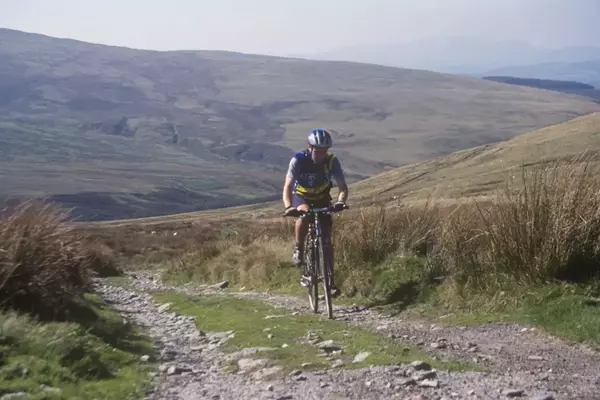
The West Mesa Trails Plan is a visionary project that exemplifies Albuquerque's long-standing commitment to environmental preservation and community well-being. The Volcano View trail, designed to be accessible for families and novice riders, winds through a relatively flat terrain of sandy stretches, basalt, and caliche outcrops, offering panoramic views of mesas, volcanoes, and distant mountain ranges. This trail was born out of a need to provide alternative biking routes after restrictions were placed within the Petroglyph National Monument. Funding for this project was secured through significant grants, including a $295,000 Trails+ Grant from the New Mexico Outdoor Recreation Division, complemented by a $338,000 grant from Albuquerque. The construction, carried out by the Rocky Mountain Youth Corps, showcased efficient development, completing the trail in approximately two months. As the city looks ahead to phase two, which includes the La Cuentista Open Space, the focus remains on formalizing existing social trails and securing additional funding, continuing a legacy of land conservation driven by engaged citizens and dedicated city departments.
Community-Driven Conservation: Protecting Albuquerque's Natural Heritage
The extensive open spaces and parklands in Albuquerque, New Mexico, are not merely coincidental; they are the culmination of deliberate conservation efforts spanning several decades, significantly shaped by community advocacy. The city has proactively designated nearly 30% of its land to open spaces, with a remarkable 91% of its residents enjoying park access within a ten-minute walk. This commitment is particularly evident in the West Mesa area, where residents, concerned about urban sprawl, rallied to safeguard the distinctive volcanic landscapes and historically rich petroglyphs. Such grassroots movements, spearheaded by individuals like Ruth Eisenberg, were instrumental in acquiring and protecting these invaluable natural and cultural assets, some of which now form part of the national monument. The ongoing support from citizens, who consistently vote to self-tax for further land protection and management, highlights a powerful collective desire to preserve Albuquerque's unique environmental identity.
The conservation story of Albuquerque's West Mesa is a compelling narrative of community resilience and foresight. Dating back to the 1960s, the city began prioritizing land acquisition through acts like the Recreation and Public Purpose Act, slowly assembling a regional park system from previously managed BLM lands. The five volcanoes of the West Mesa, initially under private ownership, became a symbol of this struggle. As urban development threatened these pristine areas, passionate citizens mobilized, leading efforts to raise funds and secure these lands. Their success led to the establishment of protected areas, including parts of the Petroglyph National Monument, with a trailhead even named in honor of a key advocate, Ruth Eisenberg. This enduring spirit of civic engagement continues to drive the city's Open Space Division, which manages over 30,000 acres and 165 miles of trails. Looking forward, the long-term vision of the West Mesa Trails Plan, including future phases and the potential formalization of social trails, relies heavily on this continued community support, funding, and the alignment of various resources, ensuring that Albuquerque's natural beauty and recreational opportunities remain vibrant and accessible.