Trending Searches
Becoming a Professional Fishing Guide: Turning Passion into a Career
For many avid anglers, the idea of transforming a beloved pastime into a full-time profession as a fishing guide often arises. This journey, while incredibly fulfilling, requires a blend of deep aquatic knowledge, robust business understanding, and exceptional interpersonal abilities. Aspiring guides must navigate through a series of crucial steps, from mastering local waters and securing necessary permits to outfitting a safe vessel and effectively marketing their services, all while prioritizing client satisfaction.
The path to becoming a successful fishing guide is paved with dedication and hard work. One of the primary prerequisites is an intimate understanding of the fishing environment. This goes beyond knowing a few good spots; it involves a comprehensive grasp of how fish behave across seasons, their movements in response to weather changes, and the impact of fishing pressure. A guide must be able to adapt quickly, finding fish even when conditions are challenging, ensuring clients consistently have a positive and productive experience rather than relying on chance.
Beyond ecological expertise, the administrative and legal aspects are non-negotiable. Obtaining the correct licenses and insurance is paramount. Most regions demand specific guide licenses for both inland and saltwater operations, often requiring exams, first-aid certifications, and drug tests. For those operating on navigable waters, a U.S. Coast Guard Captain's license, such as the OUPV ('Six-Pack') for up to six passengers, is mandatory. Furthermore, comprehensive liability insurance is crucial to protect against unforeseen incidents like accidents or gear damage, providing both the guide and clients with peace of mind.
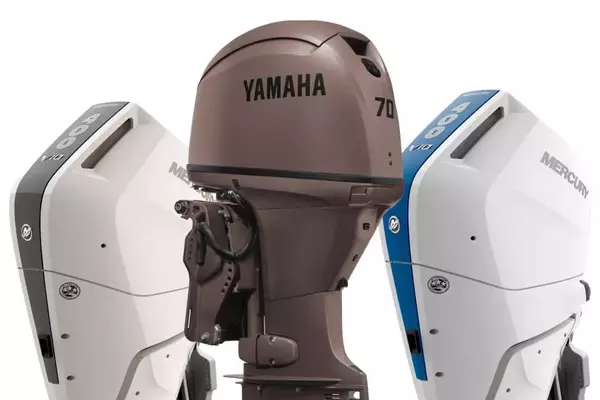
A guide's vessel is their mobile office, necessitating it to be both reliable and client-friendly. This means ensuring the boat is mechanically sound, meticulously maintained, and equipped with essential safety gear like life jackets, first-aid kits, and communication devices. The layout should allow for comfortable movement and casting, while modern electronics are expected to aid in locating fish. A quiet, dependable engine is also vital for an uninterrupted and enjoyable experience, contributing significantly to a client's comfort and confidence.
Equipping for diverse client needs is another critical component. Guides must have a wide array of rods, reels, and tackle suitable for various techniques, fish species, and skill levels, from novices to seasoned anglers. This preparedness extends to having weather-appropriate gear and a mix of lures and bait. The ability to cater to different fishing styles and preferences demonstrates professionalism and ensures clients feel well-supported, no matter their experience level or desired catch.
Perhaps the most understated yet crucial skill for a fishing guide is strong interpersonal communication. While fishing prowess is important, customer service forms the backbone of a successful guiding business. Guides must exhibit patience, especially with beginners and children, offer clear instructions, and possess the ability to read and adapt to different personalities and expectations. Whether a client seeks a trophy catch, a full cooler, or simply a memorable family outing, tailoring the experience to their desires is key to securing repeat bookings and positive word-of-mouth referrals.
Building a brand and marketing are essential in today's competitive landscape. Utilizing social media platforms like Facebook and Instagram, maintaining a simple but informative website, and regularly posting honest fishing reports are effective strategies for increasing visibility. Networking with other guides and local businesses, and consistently sharing photos of successful trips, helps in establishing a credible reputation. Understanding the business's financial side, including managing costs for fuel, bait, maintenance, and insurance, is also vital for long-term sustainability.
It's often wise for new guides to begin on a part-time basis, gradually expanding as their clientele and reputation grow. Leveraging personal networks, local community groups, and tackle shops can provide initial bookings and valuable experience. Each outing helps refine skills, build confidence, and solidify a strong standing within the community. This gradual approach allows for natural growth and a solid foundation, mitigating the risks associated with diving in too quickly.
Ultimately, the essence of being a fishing guide transcends merely catching fish; it's about facilitating unforgettable experiences for others. The joy derived from helping someone land their first or biggest catch, or simply enjoying the tranquil beauty of a sunrise on the water, is profoundly rewarding. With passion, patience, and business acumen, a career in fishing guiding offers a unique opportunity to share one's love for the outdoors, creating lasting memories for clients and enjoying a truly unparalleled "office" view.