Trending Searches
Beyond the Saxophone: Essential Tools for Wilderness Rescue Signals
When venturing into the great outdoors, being able to call for help is a fundamental skill for survival. A recent, rather unusual, rescue in Taiwan brought this truth into sharp focus when a stranded hiker successfully used his saxophone to alert search teams. This extraordinary event, while captivating, serves as a poignant reminder that relying solely on one's voice during a wilderness emergency is rarely enough. In situations where every decibel counts, advanced signaling methods can dramatically improve the chances of a timely rescue.
The incident involved an Australian hiker, identified as Matthew, who was lost for four days in the mountains near Taitung. Despite the unusual choice of a saxophone, its high decibel output — significantly louder than a human scream — played a crucial role in his detection by fire crews. This narrative emphasizes the need for hikers to carry dedicated signaling devices, rather than musical instruments. Fortunately, there are several compact and effective tools available that offer superior range and ease of use compared to the sheer lung power of an individual.
For hikers, a simple yet powerful tool like a safety whistle can produce sounds up to 130 decibels, audible for miles, with minimal effort. Signaling mirrors harness sunlight, allowing communication over vast distances, even to aircraft, making them indispensable for remote locations. For ultimate reliability and two-way communication, satellite communicators provide global coverage, enabling precise location sharing and direct messaging with rescue services. These tools represent a practical approach to wilderness safety, ensuring that adventurers can effectively summon assistance when unforeseen circumstances arise.
Embracing preparedness and equipping oneself with the right tools transforms uncertainty into confidence in the wilderness. The ability to signal effectively is not just about being heard; it's about connecting, communicating, and ultimately, safeguarding lives. Every journey into nature should be underpinned by respect for its unpredictability and a commitment to responsible, well-equipped exploration, fostering a culture where safety and adventure coexist.
Related Articles

Canada's National Parks: A Free Gateway to Nature's Grandeur While US Fees Rise
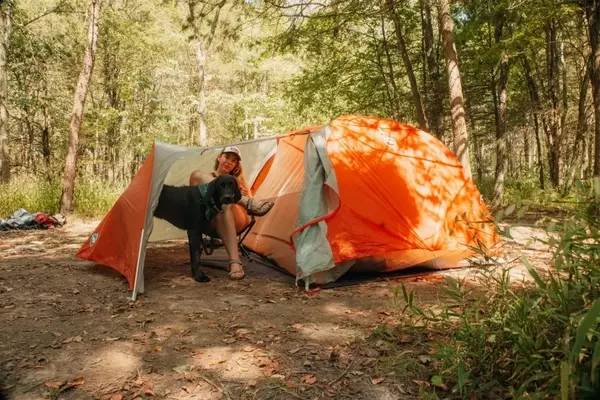
Big Agnes Copper Spur HV UL3 Bikepack Tent Review: An Ideal Choice for Diverse Outdoor Adventures