Trending Searches
Boosting Female Participation in Cycling Events: A Call for Inclusivity
Despite the growing enthusiasm for cycling, mass-participation events often fall short in catering to female riders. A recent incident at the Mallorca 312 gran fondo, where a participant encountered severely limited and mislabeled toilet facilities, sparked a wider conversation about the systemic issues deterring women from these events. This article delves into the various barriers female cyclists face and proposes actionable solutions, drawing inspiration from other sports that have successfully achieved greater gender balance.
The Urgency for Enhanced Inclusivity in Cycling Events
Olivia Moore’s experience at the Mallorca 312 gran fondo brought to light a significant hurdle for female cyclists: inadequate and poorly managed facilities. Moore, a dedicated rider, recounted how a 45-minute wait for one functioning, albeit mislabeled, portaloo caused her to miss a crucial time cutoff for the 225 km route. This single incident, which left her feeling 'disappointed' and 'robbed' of her training efforts, resonated with hundreds of other women who shared similar frustrations about long queues, ill-fitting 'unisex' apparel, and a general sense of being overlooked at various cycling events. The organizers of Mallorca 312 have yet to comment on these issues.
This problem is not isolated to one event. Across the cycling world, concerns are mounting regarding event logistics, representation, safety, and overall inclusivity for women. Experts argue that if event organizers genuinely wish to attract and retain more female participants, a fundamental shift in approach is required. Running, for instance, has demonstrated what is achievable, with events like the London Marathon nearing gender parity in registrations. Similarly, ParkRun, a popular 5km running event, reports a 44% female competitor rate, underscoring the potential for cycling to follow suit.
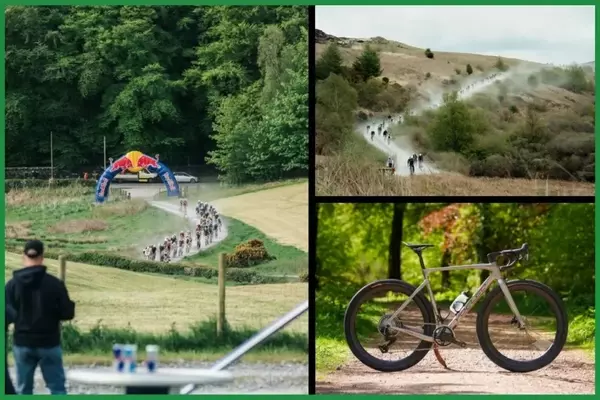
Cycling sportives, which are timed mass-participation cycling events, continue to see low female engagement. For example, the 2025 L'Étape du Tour de France Femmes reported only one-third female participation, while the 2026 Maratona Dles Dolomites saw merely 15%. Amber Keegan, founder of Athlete Interactions, highlighted a poignant example of a cycling event that publicly aimed for 25% female participation but quietly abandoned the goal. Stuart Hall, founder of Band of Climbers, clarified that while they missed their 25% target for the Toughest 100 event in 2024, seeing a rise from five female participants in 2023 to 12% in 2024 demonstrates progress through active engagement with women's cycling groups and influencers. Maximilian Wussler of Red On Sports notes that their running events achieve a 50/50 gender split without targeted marketing, suggesting structural barriers are more prevalent in cycling than marketing deficiencies. He points out that running inherently carries fewer barriers and has a more established base of female participants. He suggests that despite recent progress in gravel cycling, female participation still hovers around 20%.
Sophie Power, founder of sheRACES, emphasizes that women's distinct biological and sociological needs are often neglected. She points to the necessity of pregnancy deferral policies and challenges the common event marketing strategy that frames events as 'biggest, baddest, toughest,' which can intimidate women. Samantha Varley, head of product and operations at Sportive Breaks UK, supports this, advocating for a move away from a 'one-size-fits-all' approach. Practical changes recommended by sheRACES include diverse marketing imagery, equal prizes for men and women, adequate and well-communicated toilet facilities (including period products), prominent coverage of women's races, clear zero-tolerance policies for harassment, and consistent participant feedback. Varley also advises event organizers to showcase average finish times and diverse participant imagery to reassure women about their capabilities. The success of Etape Caledonia, which partnered with Women in Tri to achieve a tenfold increase in female registrations and gender parity on its 40-mile route, stands as a testament to the effectiveness of these inclusive strategies. Ultimately, fostering a welcoming environment for women in cycling events hinges on addressing these myriad 'small details' that collectively shape the rider's experience.
This discourse underscores a critical juncture for the cycling community. As more women seek to engage with the sport, event organizers have an opportunity to evolve, embracing inclusivity not just as a noble goal, but as a strategic imperative. The lessons from running and the voices of female cyclists themselves provide a clear roadmap: prioritize equitable facilities, inclusive language, and supportive policies. By doing so, cycling events can transcend their current limitations and cultivate a vibrant, diverse, and truly welcoming environment for all riders, ensuring that every participant, regardless of gender, feels valued and empowered to achieve their cycling aspirations.