Trending Searches
Bridging the Data Chasm: Advancing Women's Sports Science
For decades, women in sports have operated within systems largely designed around male physiology, resulting in a critical scarcity of data tailored to their unique biological needs. This deficit has profound consequences, leading to higher rates of specific injuries like ACL tears among female athletes and a general lack of optimized training and recovery protocols. However, a significant shift is underway, driven by a growing recognition of this disparity and substantial new investments from both private institutions and major sports organizations. This movement aims to rectify past oversights by funding targeted research, developing female-specific methodologies, and ultimately ensuring that women's athletic potential is fully supported by scientific understanding. This change is not only essential for athlete performance and well-being but also for the long-term growth and economic viability of women's sports globally.
This transformative effort is largely spearheaded by women who have firsthand experience with the limitations of current sports science. Their personal journeys as athletes and medical professionals fuel a collective drive to develop innovative solutions. Initiatives like the Kang Women's Institute, established with a multi-million dollar investment, are creating platforms to accelerate advancements in women's sports through science and innovation. Simultaneously, university programs such as the Women’s Health and Performance Initiative at UC Berkeley are leveraging collegiate sports data to improve injury prediction and recovery timelines for athletes and high-performance professionals alike. These collaborative ventures signify a crucial turning point, moving from a one-size-fits-all approach to one that champions precision and personalization in women's health and performance.
The Persistent Data Void in Women's Athletics
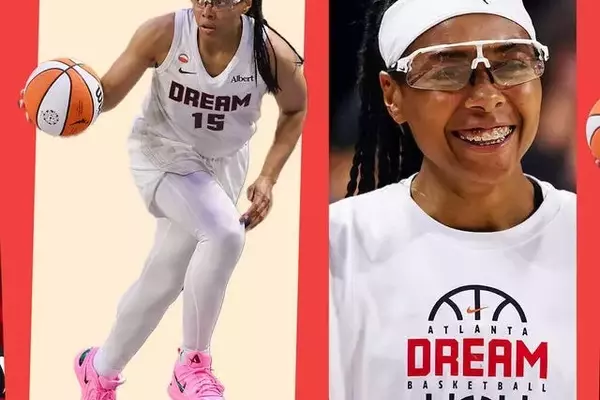
The journey of female athletes like Jordan Horston and Katie Lou Samuelson, who both suffered ACL tears, underscores a critical deficiency in sports science: the lack of comprehensive research focusing on women's unique physiological needs. Horston's experience, where her injury coincided with her menstrual cycle, highlights a common anecdotal observation among female athletes that has yet to be fully explored by science. This scenario is not isolated; studies reveal that a mere 6% of sports and exercise research specifically targets women. Consequently, training regimens, injury prevention methods, and recovery timelines are often based on data predominantly gathered from male subjects, an approach that overlooks fundamental differences in female anatomy, hormonal fluctuations, and biomechanics. This scientific blind spot means that women athletes are frequently left without the information necessary to understand their bodies, optimize their performance, and prevent injuries effectively, creating significant professional and personal challenges.
The current landscape in sports medicine for women is characterized by an alarming information void. Female athletes, such as Olympic hockey star Hilary Knight and WNBA All-Star Napheeesa Collier, have encountered various injuries that are either more prevalent or manifest differently in women than in men, including ankle sprains, stress fractures, and significantly higher rates of ACL tears. Despite anecdotal links between hormonal changes and injury risk, scientific consensus remains elusive due to insufficient dedicated research. Orthopedic surgeons like Dr. Elizabeth Matzkin emphasize that women are not merely smaller versions of men; their distinct physiology requires specialized study. Historically, researchers have avoided incorporating the menstrual cycle into studies, deeming it a confounding variable. This lack of funding and research perpetuates a cycle where limited data leads to limited understanding and investment, forcing female athletes to rely on protocols and equipment that are not optimally suited for their bodies, thereby impacting their careers and overall well-being.
Pioneering a New Era for Female Athlete Well-being
A new wave of awareness and investment is beginning to dismantle the long-standing data gap in women's sports science, driven by the understanding that gender equity in research is crucial for enhancing performance, extending athletic careers, and expanding opportunities. A prime example is the Kang Women's Institute, launched by U.S. Soccer with a $25 million investment from Michele Kang. This initiative aims to develop groundbreaking, female-specific training models, departing from the male-centric paradigms that have long dominated the field. Collaborations like the one with the University of North Carolina at Chapel Hill are exploring how menstrual cycle tracking can be integrated into performance environments, aiming to translate research insights into practical, actionable strategies for athletes and coaches. These efforts represent a fundamental shift towards personalized, data-driven approaches that consider the complexities of female physiology, setting a new standard for athlete care and development.
This paradigm shift extends beyond individual initiatives, manifesting across various levels of professional sports and healthcare systems. The Professional Women’s Hockey League (PWHL), in partnership with the Gatorade Sports Science Institute, is implementing individualized hydration strategies based on sweat testing, recognizing that women have distinct fluid replacement needs. Furthermore, the National Women’s Soccer League (NWSL) and its Players Association have joined Project ACL, a global effort to reduce ACL injuries by examining not only physical causes but also lifestyle factors like workload and travel. Health organizations, such as Kaiser Permanente, are collaborating with professional teams to establish advanced performance centers specifically for women athletes, reflecting a holistic approach to their medical care. Even product development is evolving, with companies like Ida Sports designing footwear tailored to women's unique foot biomechanics. This multi-faceted transformation, often led by women with lived experience in sports, signifies a commitment to creating a future where women athletes are fully supported by science, ensuring their health, longevity, and success on and off the field.