Trending Searches
British Bike Brand Temple Cycles Closes Amid Economic Headwinds
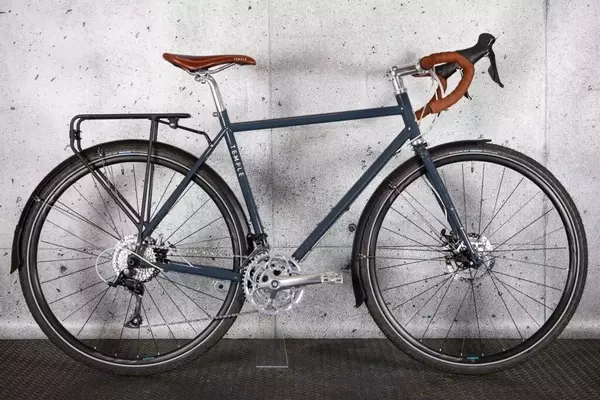
Temple Cycles, an esteemed British bicycle manufacturer, has announced its closure, a decision revealed on Tuesday. The company's owner, Matt Mears, attributed this difficult step to a confluence of challenging economic conditions, including mounting operational expenses, widespread price reductions across the cycling industry, and a notable contraction in consumer expenditure.
Mears expressed the severity of the situation, stating, "These are challenging times for us at Temple, and for the entire bicycle sector." He suggested that numerous other brands are likely grappling with similar cash flow issues, compelling them to make undesirable business decisions. The company, which garnered over £1.3 million in investment capital through a crowdfunding campaign in 2022, had attempted various strategies to maintain viability. This included a significant sale in October 2023, offering nearly a third off the price of most bicycles to clear excess inventory. Mears had previously noted that the “lockdown boom” in cycling had subsided, leaving a surplus of unsold bicycles.
Despite these challenges, Temple Cycles had shown signs of recovery, opening a new integrated shop, workshop, and events space in the Bristol suburb of Clifton just seven months prior. However, a recent email to investors, brought to light by Bristol24/7, confirmed the company's cessation of operations. The communication highlighted trade barriers, disruptions in the supply chain, and rapidly increasing energy and material costs as critical factors making it "an exceptionally difficult time to operate a bicycle business."
In the message to shareholders, Mears conveyed that the invested funds were unlikely to be recouped and offered an apology. He stated, "I do not anticipate any funds being returned to shareholders through the liquidation of Temple Cycles Ltd." However, he proposed offering shares in a new entity, providing a continued stake in Temple's future direction. Mears acknowledged the substantial efforts made to revitalize the business, including cost reductions, new product launches, relocation of headquarters, and the establishment of a new showroom. While electric bike sales performed well, weaker sales elsewhere offset this success, preventing the company from achieving the necessary recovery to meet existing debt obligations and become profitable. He concluded that the current business model no longer offered a realistic path to sustainability.
Looking ahead, Mears intends to remain active in the cycling industry, shifting the brand's focus to an online-only model specializing in parts, accessories, and bags. This new direction aims to leverage past experiences to build a more sustainable business that upholds Temple's original ethos and continues to support existing Temple bicycle owners. The majority of the company's workforce has been made redundant, a situation Mears deeply regrets, expressing gratitude for their skill, care, and commitment, and acknowledging the impact on both employees and creditors.