Trending Searches
Canyon Predict Prototype: The Future of Cycling Safety with AI and 360-Degree Sensors
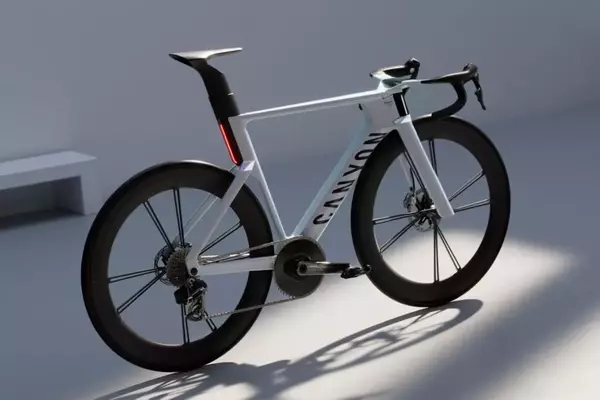
Canyon is poised to introduce a groundbreaking bicycle prototype, the “Predict,” at the upcoming Eurobike show in Frankfurt. This innovative design aims to significantly improve cyclist safety through advanced technology. The prototype combines artificial intelligence with a comprehensive 360-degree sensor system, including radar and cameras. These features are designed to detect potential hazards and provide real-time warnings to the rider, marking a substantial step forward in cycling safety.
Revolutionizing Cycling Safety: Canyon's AI-Powered Predict Prototype
In a bold move toward enhancing cyclist safety, Canyon will showcase its cutting-edge “Predict” prototype at the Eurobike show in Frankfurt. This pioneering bicycle integrates an array of sophisticated technologies, including AI, radar, and 360-degree camera systems, to create a safer riding experience. The bike is engineered to perceive obstacles, interpret their potential risks, and alert the rider through intuitive mechanisms like flashing lights on the lever hoods and tactile vibrations—a concept familiar from the lane-assist systems found in contemporary automobiles.
Beyond merely detecting hazards, the Predict’s advanced sensors are capable of offering dynamic advice, such as optimal cornering speeds, and identifying potentially treacherous road surfaces. A unique feature is its seamless integration with Canyon’s Stingr Smart helmet, which boasts a drop-down visor and a data display, further enhancing the rider’s situational awareness. Crucially, the bike’s information processing is handled by on-board Edge AI, with data displayed on a specialized screen within the aerodynamic handlebars, thus eliminating critical split-second latency that could compromise safety in emergency scenarios. Additionally, the bike features an innovative dropper seatpost, which, despite its ultra-aero appearance, is designed to assist riders in challenging situations by allowing them to lower their center of gravity for improved stability.
Fedja Delic, Canyon’s head of design, articulated the company’s motivation, stating, “We considered the alarming statistics of cyclists killed or seriously injured, and the many individuals who forgo cycling due to safety concerns. We recognized an urgent need to address this problem.” He highlighted the paradox where car safety has markedly improved, leading to a decline in motorist fatalities, while cycling on roads has become increasingly perilous. “Despite technology making driving safer than ever, cycling on the road has arguably become more dangerous. Yet, with available technology, significant bicycle safety improvements are more than possible,” Delic added. While the Predict remains a prototype and is not yet commercially available, it has already garnered praise from professional riders, with Kasia Niewiadoma expressing her anticipation: “This new technology makes me eager to see its real-world application and what the next generation of bikes can offer riders.”
The introduction of the Canyon Predict prototype signals a transformative era for cycling. It underscores a growing recognition within the industry that advanced technology can play a pivotal role in mitigating risks and fostering a more secure environment for cyclists. This innovation not only addresses existing safety challenges but also has the potential to inspire a new generation of riders who might otherwise be deterred by perceived dangers. By prioritizing proactive safety measures through AI and sensor integration, Canyon is not just developing a new bike; it is paving the way for a future where cycling is not only exhilarating but also inherently safer for everyone.