Trending Searches
The Controversy of the New Ineos Grenadiers Cycling Kit
Fashion, much like any artistic expression, is inherently subjective, with trends constantly evolving. Just as the pioneering works of Impressionist painter Édouard Manet were initially met with public and critical disapproval before achieving widespread acclaim, the new Ineos Grenadiers cycling kit has ignited a similar debate concerning its aesthetic and practical merits.
The latest Ineos Grenadiers cycling uniform has become a focal point of discussion within the cycling community, primarily owing to its choice of "light grey" bib shorts. This design element, seen by many as a significant departure from traditional cycling attire, raises pertinent questions about the intersection of style, visibility, and functionality in professional sports gear. The discussion highlights the inherent tension between pushing design boundaries and adhering to practical considerations in a sport often dictated by unpredictable outdoor conditions. Ultimately, the long-term acceptance and influence of this kit will be determined by its performance and how it is perceived over time, drawing parallels to how artistic creations gain acceptance through historical re-evaluation.
The Gray Area: Aesthetics vs. Practicality in Cycling Apparel
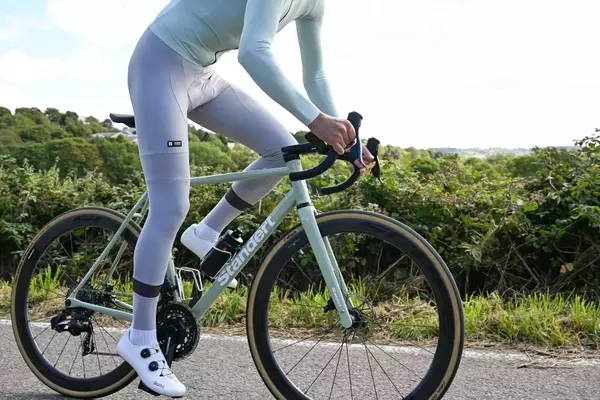
The new Ineos Grenadiers cycling kit has generated considerable discussion, particularly concerning its "light grey" bib shorts. While the team and its designer, GOBIK, laud the kit for its bold visibility and modern appeal, positioning it as a trendsetter in the peloton, many in the cycling community express reservations. Critics highlight the inherent impracticality of light-colored shorts for an outdoor sport like cycling, where riders frequently encounter mud, dust, and rain. The concern is that these light tones will quickly show dirt and stains, compromising the kit's appearance and potentially revealing more than intended when wet, directly challenging the designers' vision of both visibility and contemporary fashion. The debate underscores a fundamental tension between the pursuit of innovative design and the practical realities of athletic performance.
The decision by Ineos Grenadiers to feature "light grey" bib shorts in their new uniform has undeniably made a statement, aiming for a distinctive presence within the peloton. This choice, however, contrasts sharply with established cycling traditions that favor darker shorts—typically black or navy—for their ability to conceal road grime and offer a more forgiving aesthetic under various conditions. The argument against light shorts centers on their tendency to quickly become soiled by mud, dust, and even the occasional “nature break” during races, detracting from the professional image and raising questions about the longevity of the kit's pristine appearance. Furthermore, the material's transparency when wet is a significant concern for many, suggesting a potential oversight in the design process regarding real-world applications. While some riders, like Tadej Pogačar, have occasionally worn white shorts, these instances are typically strategic, chosen for specific race days rather than adopted as a year-round team standard, highlighting a crucial distinction in practical application.
Innovation on the Road: Redefining Cycling Style
The new Ineos Grenadiers kit, particularly its striking "light grey" bib shorts, represents a bold attempt to redefine contemporary cycling fashion. The design team, led by GOBIK CEO Alberto García, explicitly aimed for a kit that would stand out and establish new trends within the sport. This innovative approach seeks to blend high visibility with a modern aesthetic, transforming traditional cycling apparel into a fashion statement. The collaborative effort involving team management and riders underscores a shared ambition to infuse the kit with the team's spirit of innovation. While the design challenges conventional wisdom regarding cycling gear, it also invites a fresh perspective on how professional teams can express their identity and push the boundaries of sports fashion. The outcome of this bold fashion experiment remains to be seen, but it has certainly ignited a spirited discussion about the future of cycling aesthetics.
The design philosophy behind the Ineos Grenadiers' latest kit, especially the controversial light grey bib shorts, is rooted in a desire for innovation and distinction. GOBIK's CEO, Alberto García, articulated that the kit was conceived to maximize the team's visual impact within the peloton, leveraging orange—an iconic team color—and pairing it with the novel light grey. This choice was not merely arbitrary but the result of close collaboration with team officials, athletes, and designers, all striving to create a look that is both modern and highly visible. The aspiration is for this kit to not just be worn, but to set a new fashion benchmark in professional cycling. While some observers, like Rob Borek, appreciate its boldness and potential to enhance a rider's appearance by making legs appear more tanned, there are also pragmatic concerns about its functionality in adverse weather conditions. The question remains whether this audacious design will be embraced as a forward-thinking masterpiece or if its practical drawbacks will ultimately overshadow its artistic intent, mirroring historical debates over groundbreaking art.