Trending Searches
The Cost of Entry into Road Cycling: An Exploration of Perspectives
Embarking on the journey of road cycling often presents newcomers with a bewildering array of choices and price tags, which can initially seem daunting. The market offers bicycles spanning from budget-friendly options to those commanding several thousands of dollars, leading many to question if the sport's emphasis on high-spec equipment inadvertently deters potential enthusiasts.
Interactions with various cyclists reveal a spectrum of approaches to entering the sport, challenging the notion that a hefty investment is mandatory. Some individuals begin with modest, even ill-fitting, older bikes, gradually upgrading as their understanding and passion for cycling evolve. This iterative process allows them to carefully consider future purchases. Conversely, other aspiring cyclists choose to invest significantly from the outset, confidently purchasing top-tier bikes and accessories, driven by an immediate commitment to the sport. While the adage that cycling is "as expensive as you make it" holds true, this article delves into how different individuals define "expensive" and assess the value derived from their expenditures, examining the motivations behind their initial investments in road biking.
The stories shared by these new cyclists underscore that the true cost of cycling is deeply personal and multifaceted. Helen Boast, a freelance photographer, humorously admits to having "all the gear and no idea," recounting how a luxurious cycling holiday led her to purchase high-end equipment, which remained unused for a period. Her renewed enthusiasm, sparked by a running injury, highlights how external factors and personal motivation can drive significant investment. Similarly, Hannah Burgon, a competitive athlete, transitioned to cycling after an injury, quickly upgrading from a commuter bike to a high-performance model to meet her competitive aspirations. Her experience illustrates how immersion in a cycling community can influence perceptions of necessary expenditure. Tony Hall, on the other hand, embodies a more economical approach, finding immense joy and undertaking significant cycling adventures on vintage, affordable bikes, demonstrating that passion and adventure are not exclusive to expensive equipment. Kevin Frost's rapid transition from a budget bike to a premium Ribble Allroad SLR Pro, just months after his initial foray, exemplifies how quickly one can get "hooked" and seek immediate upgrades. Claire Cottell, a bike fitter, emphasizes the importance of selecting the "right" bike based on personal goals rather than budget constraints alone, advocating for a slightly higher initial investment to allow for future component upgrades. Richard Eniffer, with his "N+1 addiction," openly shares his journey of continually investing in and customizing multiple high-end bikes, driven by the sheer joy of the building process and the pursuit of the perfect ride. His experiences, while costly, have enriched his life with memorable adventures and a deeper understanding of his cycling preferences.
Ultimately, the diverse experiences of these cyclists confirm that the financial commitment to road cycling is highly variable and often shaped by individual priorities, perceived value, and personal journey within the sport. While the market presents opportunities for substantial spending, it also accommodates those who find profound satisfaction and adventure through more modest means. The collective narrative suggests that the inherent value of cycling lies not solely in the cost of the equipment, but in the experiences, personal growth, and community it fosters. The exhilarating feeling of riding, whether on a humble old bike or a cutting-edge machine, offers a unique blend of freedom and challenge. This journey encourages exploration, resilience, and a deep connection with the outdoors, proving that the spirit of cycling thrives across all budget levels.
Related Articles
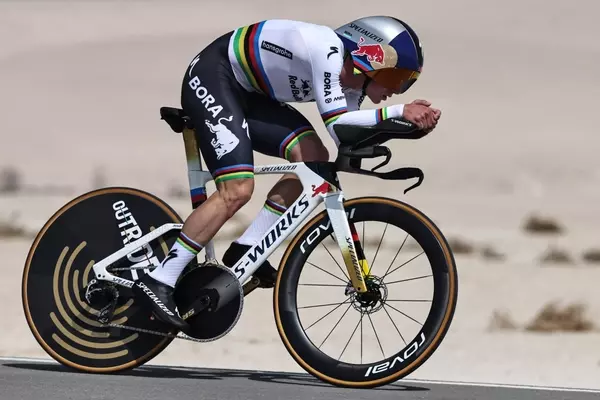
Evenepoel Claims Dominant Time Trial Victory at UAE Tour, Seizes General Classification Lead
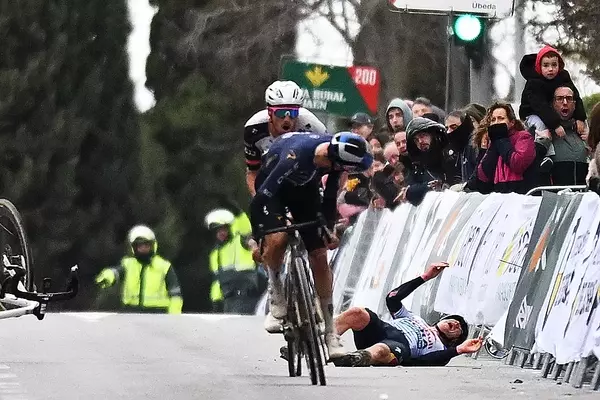
Cyclist Maxim Van Gils Faces Extended Recovery After Pelvic Fracture in Race