Trending Searches
Cutting-Edge Cycling Innovations at Omloop Het Nieuwsblad
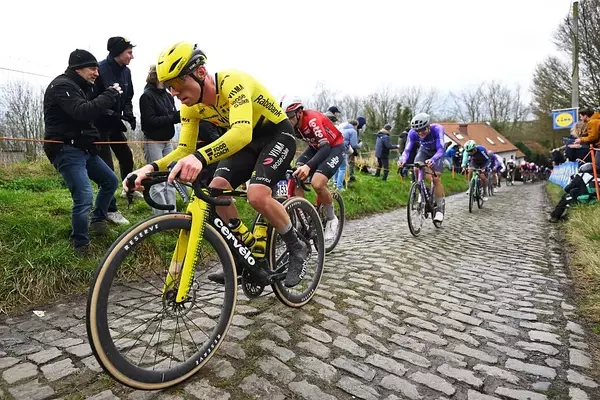
The Omloop Het Nieuwsblad, often considered the informal commencement of the cycling season, served as a dynamic arena for professional riders to demonstrate their prowess and for cycling aficionados to witness the newest technological marvels in race bike design. This year's event was particularly illuminating, revealing a fascinating array of innovations and adaptations, from advanced drivetrain configurations to ingenious on-the-go modifications, all aimed at gaining a competitive edge on the challenging Belgian roads. The atmosphere was charged with anticipation as both established teams and emerging talents unveiled their meticulously prepared machines, each embodying a blend of cutting-edge engineering and practical ingenuity.
Discoveries at the Omloop: From Drivetrains to DIY Solutions
In the dimly lit team hangers of Belgium, on February 28, 2026, cycling journalist Liam Cahill meticulously inspected the bikes poised for the Omloop Het Nieuwsblad. A prominent trend observed was the increasing prevalence of SRAM's 1x XPLR groupsets, with many professional teams opting for this setup, combining aero 1x chainrings with wide-range cassettes. While some riders found this configuration challenging on the steep cobbles of the Muur van Geraardsbergen, suggesting that wet conditions might have played a role, its adoption marked a significant shift in professional cycling. Notable examples included UNO-X's Ridley Noah Fast, featuring a 56T chainring paired with a 10-46T cassette, necessitating the use of SRAM's Red XPLR gravel derailleur, alongside other road components. Conversely, some prominent riders, including those on Shimano-sponsored teams and even several SRAM riders like Alison Jackson and Tom Pidcock, maintained traditional 2x setups. Van der Poel, in anticipation of the arduous climbs, equipped his bike with 55-40T chainrings.
Another striking development was the near-universal adoption of 30mm tires, which appeared to be the standard width for the 2026 season. The Specialized-sponsored teams, Red Bull and Soudal Quick-Step, were a notable exception, running unreleased 32mm Specialized S-Works Turbo Cotton TLR tires. The sidewalls of Soudal's tires, in particular, displayed a unique, stained silicone coating, hinting at a new protective treatment that was already showing signs of peeling.
Beyond the high-performance spectrum, the event also highlighted resourceful, low-tech adaptations. The Mayenne Monbana My Pie team, for instance, showcased Winspace's SLC5 framesets with a mixed component groupset, combining top-tier Shimano Dura-Ace cranksets with more accessible Ultegra derailleurs, demonstrating a practical approach to competitive cycling. Mechanics displayed ingenuity, using electrical tape to secure Di2 wires on a Y1RS bike valued at over £12,000, ensuring reliability amidst the rigors of racing. Furthermore, riders like Imogen Wolff resorted to handwritten race notes directly on her stem, due to the limited space on her Cervelo S5. Even a top cyclist like Van der Poel employed simple, clear markings on his water bottles, using a '60' to indicate specific race information.
As the men's race unfolded under clear skies, the women's event in Ghent commenced with light rain and cooler temperatures, prompting many riders to don aerodynamic rain jackets. Other intriguing tech sightings included Schwalbe's Clik Valves on Canyon SRAM bikes, designed to streamline pre-race pressure checks, a strikingly custom-painted Canyon Aeroad CFR, and what appeared to be new, wider Shimano wheels with carbon spokes, though specific details remained scarce. The presence of Velon transponders on Visma bikes, despite their somewhat clunky design, underscored the ongoing integration of data-tracking technology in professional cycling. These observations collectively offered a comprehensive look at the diverse and dynamic technological landscape of modern road racing.
The intricate details observed at the Omloop Het Nieuwsblad offer a compelling narrative about the perpetual quest for innovation in professional cycling. It's not merely about wielding the latest high-tech gadgets; rather, it’s a harmonious blend of cutting-edge engineering, astute tactical decisions, and surprisingly, a touch of pragmatic ingenuity. The adoption of 1x groupsets, the consensus on tire width, and even the simple use of electrical tape or handwritten notes underscore a fundamental truth: success on the road often hinges on a blend of optimized equipment and resourceful, on-the-fly adaptations. This balance between advanced technology and practical solutions provides invaluable insights not just for professional athletes, but also for amateur cyclists seeking to enhance their own riding experience. It reminds us that performance gains can come from both sophisticated designs and clever, everyday fixes, fostering a culture of continuous improvement and creative problem-solving within the cycling community.
Related Articles
Visma-Lease a Bike's Difficult Season Continues with Brennan's Omloop Nieuwsblad Crash
Teravail Lytho Cockpit Components: A Comprehensive Review for Bikepacking and Mountain Biking