Trending Searches
Cutting-Edge Tech Trends at the Spring Classics
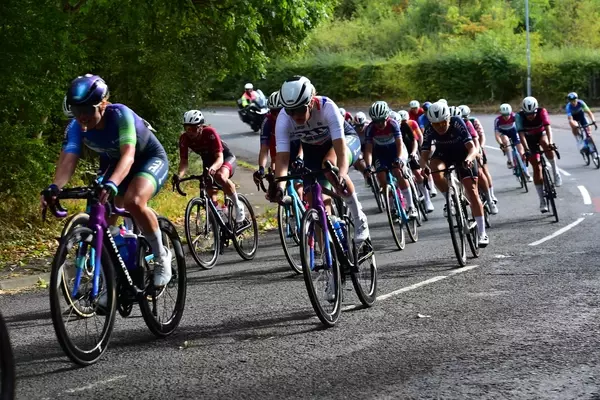
The Spring Classics Opening Weekend provided a fascinating arena for showcasing the latest advancements in road bike technology. Cycling enthusiasts and technical experts scrutinized the equipment of elite teams, identifying key trends that point towards the future of competitive cycling. From specialized gearing configurations to personalized bike components and optimized tire choices, these innovations underscore a relentless drive for performance gains in the demanding world of professional racing.
Detailed Report on Spring Classics Technical Innovations
As the Spring Classics commenced, specifically at Omloop Het Nieuwsblad and Kuurne-Brussel-Kuurne, a significant shift in cycling technology was observed among the participating teams. Experts noted a pronounced inclination towards single chainring configurations, particularly among SRAM-sponsored teams like Lidl-Trek and Visma-Lease a Bike. These teams frequently employed 'mullet' setups, featuring SRAM Red AXS front components, XPLR cassettes, and direct-mount rear derailleurs, enabling the use of aerodynamic 54-tooth chainrings. Even Shimano-equipped teams, such as UAE Team Emirates XRG, showcased single-ring designs, with Tim Wellens leading the trend with a Dura-Ace 1x setup that included a Carbon-Ti ring and K-Edge chain keeper.
The debate surrounding crank length remained active, with a variety of sizes noted. While 172.5mm emerged as the most common choice, followed by 165mm and 175mm, several unique lengths, such as Jonas Abrahamsen's 167.5mm SRAM crankarms, were also spotted, indicating a personalized approach to rider mechanics. This suggests that despite ongoing discussions about shorter crank arms, classic race participants prioritize proven comfort and power transfer.
Innovative 3D-printed components also made an appearance, particularly in computer mounts and other lightweight accessories. UAE Team Emirates XRG continued using custom Wahoo cradles, similar to those seen on Tadej Pogacar's bike at the Tour de France, along with Carbon-Ti direct-mount hangers. Lidl-Trek utilized 3D-printed mounts from Leap Components, while Uno-X featured team-branded out-front mounts and custom race number holders, demonstrating a move towards bespoke, performance-enhancing accessories.
Furthermore, the event provided a preview of prototype equipment. Many Specialized-sponsored teams, including Red Bull-Bora-Hansgrohe and Soudal Quick-Step, were observed using unreleased 32mm Specialized Cotton TLR tires. Mathieu van der Poel’s custom Canyon Aeroad, featuring subtly updated CFR logos and a redesigned rear dropout for SRAM UDH compatibility, was another highlight. His bike also sported prototype Shimano Dura-Ace wheels with carbon spokes and new hubs, signaling potential future product releases from Shimano.
Tire choices underscored a clear trend towards wider options, with nothing narrower than 28mm observed. The most prevalent width was 30mm, with leading brands like Pirelli, Vittoria, and Michelin offering suitable options. The widest tires, the prototype 32mm Specialized Cotton TLR, emphasized the growing preference for enhanced grip and comfort on challenging race courses. Bike weights for Classics-spec setups averaged around 7.5kg, with Tom Pidcock’s 7.18kg Pinarello Dogma F being the lightest, and Cole Kessler’s 8.39kg Factor One, equipped with SRAM Force AXS, representing the heavier end.
The Spring Classics Opening Weekend served as a compelling showcase for the evolving landscape of professional road cycling technology. The focus on single chainring systems, varied crank lengths, bespoke 3D-printed components, and wider tire specifications clearly illustrates the industry's dedication to optimizing every aspect of a rider's performance. These developments are not just about marginal gains; they reflect a holistic approach to enhancing speed, efficiency, and adaptability across diverse and demanding race conditions. As these trends continue to develop, they promise to reshape competitive cycling and eventually influence the broader market for consumer cycling products. The insights gained from such high-stakes events are invaluable for understanding the trajectory of bike design and component innovation.