Trending Searches
Cycling Culture and Road Safety: Debates and New Regulations
A recent online exchange highlights the ongoing friction between cyclists and motorists, as a driver's complaint about cyclists on a main road in Southend-on-Sea was met with swift counter-arguments affirming cyclists' legal rights and sensible road usage choices.
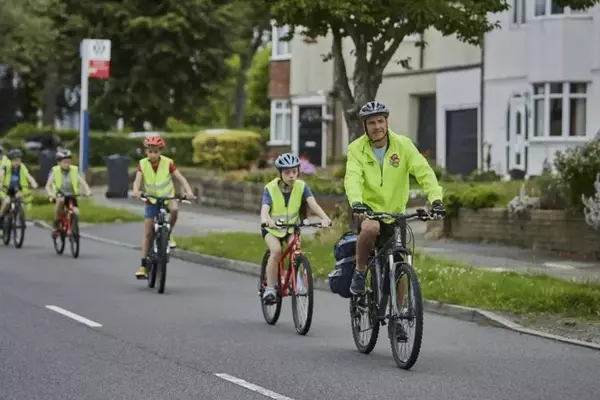
This incident reflects a broader conversation about shared road spaces and proper conduct. Cyclists were observed riding two abreast, a legal formation under the Highway Code, opting for the road over a shared-use path deemed less safe due to pedestrian traffic and uneven surfaces. Social media users quickly pointed out that cyclists are not legally compelled to use cycle lanes, especially when road conditions or speed make the main thoroughfare a more appropriate and safer option. Many emphasized the importance of patience and understanding among all road users, advocating for a more harmonious coexistence rather than engaging in unwarranted criticism.
Further underscoring the commitment to road safety, the government has unveiled a comprehensive new strategy, which includes several key proposals aimed at reducing fatalities and serious injuries. Among these are consultations on lowering the drink-driving limit, introducing mandatory vision tests for drivers over 70, and implementing minimum learning periods for new drivers. These measures are designed to address critical factors contributing to road accidents, such as impaired driving, age-related visual impairment, and insufficient driving experience. The goal is to create a safer environment for everyone on the roads, reflecting a proactive approach to improving public safety through legislative and educational initiatives.
Ultimately, fostering a culture of mutual respect and understanding is essential for enhancing road safety for all. By clarifying legal rights and responsibilities, promoting safe practices, and implementing thoughtful regulations, communities can work towards a future where roads are not only more secure but also more equitable for every individual, whether they are cycling, driving, or walking.