Trending Searches
Cycling Investment Debates and Bicycle Innovations
A public discourse has ignited in Glasgow regarding the allocation of funds for cycling infrastructure, triggered by a letter published in a local newspaper. The letter's author raised concerns about what was perceived as excessive expenditure on cycling lanes, arguing that these facilities are underutilized while road maintenance for motorists suffers. This perspective suggests a belief that authorities are unfairly penalizing car users through their transportation policies.
The debate extends to the broader context of transport funding in Scotland, where a significant portion of the budget is allocated to strategic road networks, with only a small fraction dedicated to active travel initiatives like cycling. Critics of the current system point out the apparent imbalance, highlighting that despite arguments against cycling investment, a substantial majority of vehicular journeys are short distances that could potentially be cycled. This underscores the need for a more holistic approach to urban planning that considers various modes of transport.
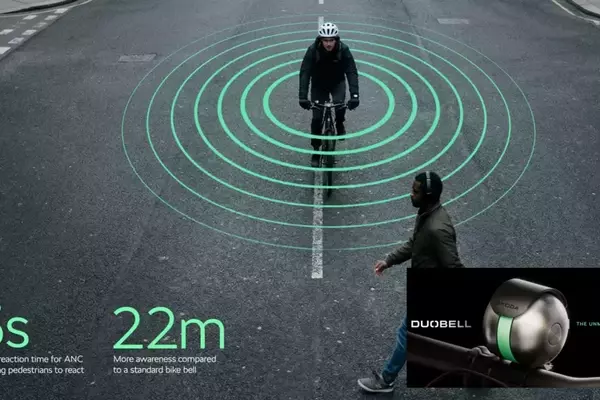
Beyond the policy discussions, the cycling world is also seeing exciting new developments in product innovation. Skoda has unveiled a groundbreaking bicycle bell engineered to penetrate noise-canceling headphones, though it is not yet available for purchase. Meanwhile, BMC has introduced an electrified iteration of its top-tier Teammachine road race bicycle, signaling a continued push towards integrating electric assistance into high-performance cycling.
These developments, both in policy debates and technological advancements, reflect a dynamic landscape in urban mobility and cycling. It's crucial for cities to foster environments where all forms of transportation can thrive harmoniously, promoting sustainable choices while addressing the practical needs of every commuter. By embracing innovative solutions and ensuring equitable resource distribution, we can pave the way for healthier, more efficient, and inclusive urban spaces for everyone.