Trending Searches
Cycling News Live Blog: Fuel Price Impact, Giro Controversies, and Industry Challenges
This cycling news roundup explores the multifaceted challenges and opportunities facing the sport, from the potential for a new cycling era driven by economic shifts to the controversies marring major races and the financial struggles within the industry. It delves into the implications of rising fuel costs on travel habits, the rigorous technical regulations in professional cycling, and the economic pressures affecting equipment distributors, providing a comprehensive look at the current landscape.
Cycling World in Flux: Fuel Prices Drive Change, Race Controversies Erupt, and Industry Faces Headwinds
In a compelling assertion on June 1, 2026, Chris Boardman, England's Active Travel Commissioner, articulated that the current fuel price crisis could be the catalyst for the UK to emulate the cycling success seen in the Netherlands decades ago. Speaking on BBC Radio 5 Live Breakfast, Boardman highlighted that soaring petrol costs, with unleaded averaging 158.52p per liter, present a prime opportunity for people to embrace cycling for shorter journeys, potentially saving households thousands annually. He referenced data from Greater Manchester in 2021, showing 250 million car trips under one kilometer, arguing that these drivers lack viable alternatives, not a desire to remain in traffic. This sentiment is echoed by a YouGov survey for Cycling UK, revealing that nearly three in ten drivers are already opting for cycling or walking due to increased fuel expenses, with another 15 percent considering it. However, Cycling UK cautions that without robust, affordable transport alternatives, this shift could disproportionately isolate women.
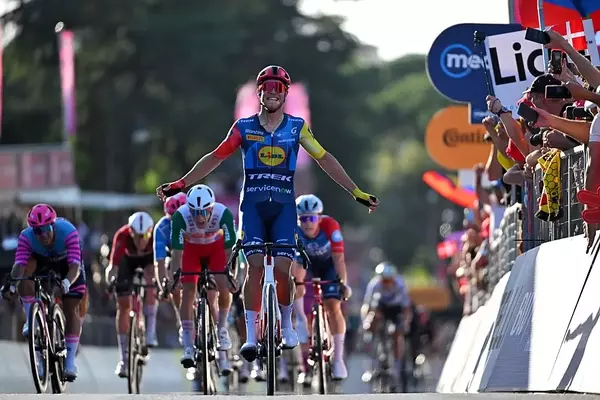
Meanwhile, the Giro d'Italia Women was embroiled in controversy on June 1, 2026, as Lorena Wiebes of SD Worx-Protime was disqualified from the opening stage after winning it, due to her bike weighing 6.78kg, just 20 grams under the UCI's 6.8kg minimum. SD Worx-Protime has declared its intent to pursue legal action against the UCI, citing inconsistencies in weighing procedures and questioning the severity of the sanction for such a minimal weight difference in a flat sprint stage. Team manager Erwin Janssen stated their own measurements confirmed the bike was above the limit, expressing disbelief and significant damage to the team’s race strategy. Bike supplier Specialized publicly supported Wiebes, underscoring that skill, not a marginal weight advantage, secured her victory, suggesting a prolonged dispute.
Adding to the drama, Jhonatan Narváez of UAE Team Emirates was forced to withdraw from the Giro on June 1, 2026, following a peculiar accident. After an earlier stage, Narváez, distracted by his bike computer, collided with a team bus that braked unexpectedly. Initially, the injuries seemed minor, primarily whiplash. However, Manuele Mori, from UAE Team Emirates, confirmed that during a subsequent mountain stage, Narváez experienced dizziness and nosebleeds, leading to his regrettable abandonment of the race. This unfortunate incident highlights the critical importance of focus, even off the race course.
In a somber development for the cycling industry on June 1, 2026, Saddleback Cycling, a prominent UK distributor of bikes, components, and accessories, announced its entry into administration. This news follows previous reports of major brands like Enve and Cannondale terminating their agreements with Saddleback, signaling a challenging period for the sector.
Reflecting on Cycling's Crossroads: A Moment for Reevaluation and Adaptation
The confluence of these events—the economic push towards sustainable travel, the stringent technicalities of professional racing, and the commercial vulnerabilities of the cycling industry—underscores a pivotal moment for the world of cycling. Chris Boardman's vision of the UK embracing cycling, similar to the Netherlands' transformation post-1973 oil crisis, presents an optimistic outlook. It suggests that external pressures, like high fuel costs, can indeed drive positive behavioral changes, fostering a healthier and more environmentally conscious society. However, realizing this potential requires significant infrastructural investment and policy support to create genuinely viable alternatives to car travel. The contentious disqualification of Lorena Wiebes at the Giro d'Italia shines a spotlight on the meticulous, at times seemingly arbitrary, rules governing professional sports. It raises questions about the balance between fair competition, technological advancement, and the human element of racing, prompting a necessary dialogue about the interpretation and enforcement of regulations. Lastly, the administration of Saddleback Cycling serves as a stark reminder of the economic realities and volatilities faced by even established players in the industry. It emphasizes the need for resilience, adaptability, and potentially new business models to navigate evolving market conditions. Collectively, these narratives paint a picture of a sport and an industry at a crossroads, navigating challenges and opportunities that could redefine its future trajectory.