Trending Searches
Cycling News Roundup: Political Debates, Athlete Comebacks, and Infrastructure Innovations
The world of cycling is currently abuzz with a variety of stories, reflecting its multifaceted nature as a sport, a mode of transport, and a subject of public policy. From heated parliamentary debates to the inspiring recovery of a professional cyclist and cutting-edge urban planning ideas, the cycling community remains a vibrant and evolving space. Additionally, discussions within professional cycling about anti-doping measures underscore the sport's ongoing commitment to integrity.
Comprehensive Report on Recent Cycling Developments
On Thursday, June 25, 2026, a notable debate unfolded in the UK Parliament concerning national expenditure priorities. South West Wiltshire MP Andrew Murrison, a veteran of the Navy, drew a controversial parallel during a discussion on defense spending. He contrasted the significant commitment of the Polish government, which allocates 4.8% of its GDP to defense, with the UK government's £4.5 billion investment in cycling infrastructure over five years. Murrison provocatively suggested that funds designated for cycle routes should instead be redirected to bolster defense capabilities. This comparison was met with skepticism, particularly from Liberal Democrat MP Al Pinkerton, who emphasized that modern nations should be capable of investing in both defense and sustainable transport solutions like cycleways without creating a false dilemma.
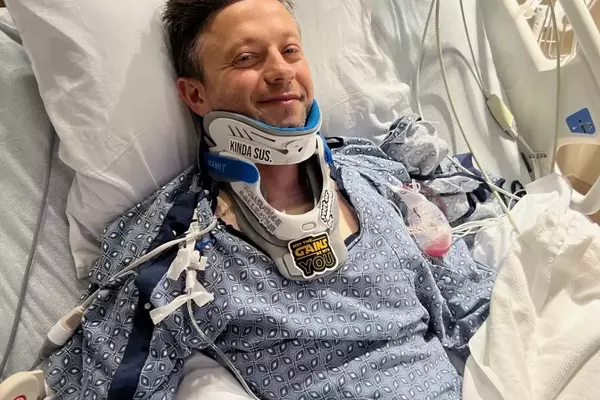
In a more uplifting development from the professional cycling circuit, Oscar Onley has recommenced training following a severe incident at the Critérium du Dauphiné where he fell into a ravine. Onley shared his initial post-recovery ride on Strava, sparking speculation about his potential participation in the Tour de France. His caption, humorously suggesting a 'Road to the Tour... of Guangxi,' left fans and commentators pondering whether this was a lighthearted jest or an indicator of a later season comeback. This return is particularly significant given that his team, Netcompany-Ineos, has faced setbacks with Kevin Vauquelin's withdrawal from the French national championships due to illness, potentially leaving them without two key general classification riders for major events.
Meanwhile, urban cycling advocates are exploring innovative solutions to improve rider safety and flow. The concept of a 'green wave' traffic system, designed to prioritize cyclists at traffic lights, has been proposed for implementation in London by Lime. This initiative, however, has not been universally embraced, encountering resistance from some quarters, including a taxi association boss who controversially attributed the idea to a 'white, middle-class cycling lobby.' This ongoing debate highlights the challenges and differing perspectives in integrating cycling more seamlessly into urban environments.
Furthermore, the discussion around fair play in professional cycling continues with Team Visma-Lease a Bike's participation in a new anti-doping trial. This trial involves the analysis of power data from athletes to detect potential performance-enhancing drug use. While aimed at ensuring a cleaner sport, the initiative has drawn criticism, with Tadej Pogačar's agent expressing concerns that such stringent measures could 'only create problems,' underscoring the delicate balance between effective anti-doping protocols and potential athlete privacy or logistical challenges.
The confluence of these stories illustrates the dynamic and sometimes contentious intersection of sport, policy, and daily life in the cycling world.
The recent events in the cycling world offer several key insights. Firstly, the parliamentary debate surrounding defense versus cycling infrastructure highlights a fundamental tension in public spending priorities. It underscores the ongoing challenge of advocating for sustainable and healthy transport solutions against other pressing national concerns. The "strange equivalence" drawn by MP Murrison, while controversial, brings to light the necessity for clear communication on the societal and economic benefits of cycling investments. It compels advocates to articulate not just the environmental and health advantages, but also the broader contributions to urban vitality and public welfare.
Secondly, Oscar Onley's resilient return to training serves as an inspiring testament to the human spirit and dedication inherent in professional sports. His journey back from a serious injury, coupled with the humorous uncertainty surrounding his immediate competitive future, reminds us of the unpredictable nature of elite athletics and the personal sacrifices involved. Such stories of perseverance resonate deeply, offering a powerful narrative of determination.
Lastly, the discussions around 'green wave' technology and anti-doping trials reflect a sport and a community constantly striving for improvement—whether in urban planning for safer cycling or in maintaining integrity at the highest levels of competition. The pushback against the 'green wave' concept, albeit with potentially discriminatory undertones, emphasizes the importance of inclusive policy-making and addressing diverse community concerns. Similarly, the complexities of anti-doping measures, while crucial for fair competition, necessitate thoughtful implementation to avoid unintended consequences for athletes. These narratives collectively suggest that cycling, in all its forms, is a mirror reflecting broader societal values and challenges, constantly evolving and adapting to a changing world.