Trending Searches
Cycling: The Perilous Path to the Tour de France
The cycling world is grappling with a growing concern: the demanding nature of pre-Tour de France races and their impact on rider safety and performance. The recent Tour Auvergne-Rhône-Alpes, a critical preparatory event, witnessed an alarming attrition rate, with a mere 91 of 154 starters crossing the finish line. This stark figure, the lowest since 2005, underscores the immense physical toll and inherent risks associated with high-stakes competitions leading up to cycling's most prestigious event, the Tour de France.
The High Stakes of Pre-Tour Races
The Tour Auvergne-Rhône-Alpes, a rebranded iteration of the Critérium du Dauphiné, serves as a vital proving ground for cyclists eyeing success in the Tour de France. However, its recent edition, particularly the three grueling mountain stages, proved to be a formidable challenge, contributing to a substantial number of withdrawals. While some riders opted out due to strategic training decisions or minor ailments, many withdrawals were a direct result of crashes and injuries.
Among the high-profile casualties was Wout van Aert from Visma-Lease a Bike, a stage winner at the event, who reportedly experienced a setback in his recovery from an elbow injury sustained in a training accident prior to the race. Fellow competitor Josh Tarling of Netcompany-Ineos suffered a broken collarbone after a crash on stage six, necessitating surgical intervention. His teammate, Oscar Onley, also endured a dislocated shoulder from a fall into a ravine on the same day, bravely completing the stage despite his injury. Adding to the list, promising teenage talent Paul Seixas of Decathlon CMA CGM crashed on stage seven, forcing his abandonment the following day.
These incidents highlight the precarious balance riders face in their quest for peak form. While most of these athletes are anticipated to be on the starting line of the Tour de France in Barcelona on July 4th, the long-term effects of their injuries on their physical condition remain uncertain. As the five-stage Tour de Suisse commences, another key warm-up event, all eyes will be on participants like Tadej Pogačar of UAE Team Emirates-XRG, hoping he navigates the challenges unscathed.
The rising number of non-finishers prompts a reevaluation of the value of intense pre-season racing. There's a noticeable shift in strategy among elite cyclists and their teams, with many prioritizing fewer race days and more focused training camps, often at altitude, over extensive competitive calendars. For instance, Remco Evenepoel, representing Red Bull-Bora-Hansgrohe, will have had a 68-day hiatus from competitive racing by the time the Tour de France begins, a deliberate choice his team believes offers superior preparation. This evolving approach, however, poses a dilemma for fans, who might miss the thrill of seeing their favorite riders in action more frequently.
It's important to acknowledge that injuries and illnesses are not exclusive to races. Van Aert's training crash and Tom Pidcock's viral infection, which forced his withdrawal from the Tour de Suisse, demonstrate that risks exist beyond the competitive peloton. While training away from the main group might offer a degree of protection, it may not fully replicate the unique intensity and demands of the Tour de France.
The inherent unpredictability of cycling, with its inevitable crashes and misfortunes, remains a core aspect of the sport. While the hope is for a fully fit and competitive field at the Tour de France, the increasing tendency for teams to shield their star riders from excessive pre-race competition suggests a growing emphasis on strategic preservation. This trend, while understandable from a performance perspective, may reshape the traditional rhythm of the cycling season, prompting reflection on how to best balance rider welfare with the competitive spirit of the sport.
Related Articles
Bicycles surpass motor vehicles in the City of London for the first time, fueled by a surge in dockless e-bike rentals
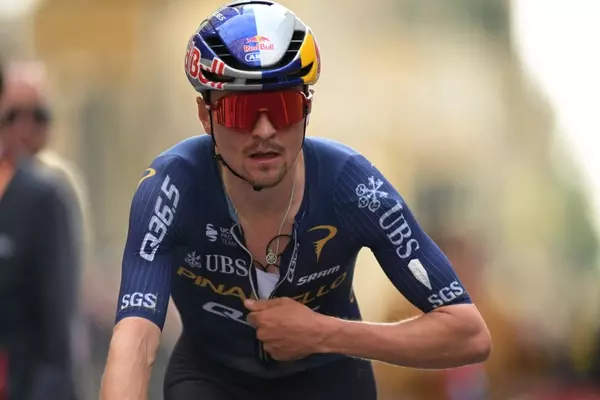
Tom Pidcock Out of Tour de Suisse Due to Viral Infection, Adjusts Pre-Tour de France Schedule