Trending Searches
Cycling: The Return of Classic Trends with a Modern Twist
The cycling industry is currently experiencing a fascinating blend of old and new, as several established technologies are making a significant comeback, albeit with modern enhancements. This trend allows riders to benefit from the reliability and simplicity of past innovations while enjoying the performance of contemporary engineering. From practical drivetrain solutions to adaptable frame designs and vibrant aesthetic components, cyclists are increasingly embracing a "back to the future" approach in their gear choices. This shift is not merely nostalgic but is driven by a desire for greater durability, easier maintenance, and personalized style, demonstrating a dynamic evolution within the sport where proven concepts are being re-evaluated and integrated into the latest offerings.
The Rebirth of Drivetrain Simplicity and Versatility
The cycling world is currently witnessing a fascinating resurgence of older technologies, cleverly re-engineered to meet contemporary demands. This includes the re-emergence of cost-effective and easily maintainable drivetrain systems like Shimano CUES, offering reliability for adventurous riders. The move towards simpler 9, 10, or 11-speed systems, contrasting with the ubiquitous 12-speed setups, is gaining traction. This is largely due to their enhanced reparability and affordability, particularly appealing to those who venture into remote areas where access to specialized components is limited. These systems provide a practical alternative to complex, high-end gear, ensuring that breakdowns don't leave riders stranded. The focus is on functionality and ease of use, making cycling more accessible and less intimidating for a broader range of enthusiasts.
The return to less complex drivetrain configurations is primarily influenced by the introduction of systems like Shimano's CUES (Creating Unique Experiences), which emphasizes a balance between performance, durability, and maintenance ease. These systems are specifically designed to be cost-effective and straightforward to repair, a significant advantage for cyclists who prefer self-sufficiency or ride in locations far from well-stocked bike shops. While modern 12-speed drivetrains are highly robust, their specialized components can be hard to source and expensive to replace when problems arise. The simpler 9, 10, or 11-speed setups, therefore, offer a reliable alternative, reducing the likelihood of being caught unprepared. This trend reflects a broader appreciation for practical, long-lasting equipment that supports uninterrupted riding experiences, ensuring that cyclists can enjoy their journeys without constant worry about technical complications or costly repairs.
Embracing Retro Aesthetics and Enhanced Comfort
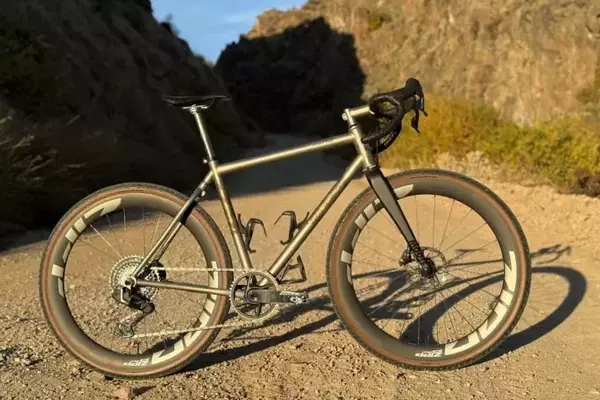
The article also highlights the comeback of versatile bike designs, exemplified by Brother Cycles' Pinecone model, which supports a wide array of components from different eras. Furthermore, the trend of vibrant, anodized bike accessories is making a stylish return, allowing riders to personalize their bikes with a retro touch. Even suspension technology, like Specialized's Futureshock, is reappearing in new forms, providing enhanced comfort. These developments suggest a future where cyclists can combine the best of past and present innovations to create unique and efficient riding experiences. The Pinecone frame, for instance, offers compatibility with various wheel sizes and brake types, enabling riders to assemble bikes from a mix of new and spare parts, promoting creativity and resourcefulness in bike building.
Beyond practical innovations, the aesthetic appeal of cycling is also experiencing a renaissance, with a strong lean towards personalized, retro-inspired designs. The re-emergence of brightly colored, anodized components, from stem caps to hub nipples, allows cyclists to infuse their bikes with personality and flair. This contrasts with the recent preference for understated, neutral-toned bicycles, as riders increasingly seek to make a statement with their equipment. Crucially, contemporary manufacturing ensures that these colorful accessories are not just visually striking but also meet high standards of durability, overcoming the reliability issues associated with some older, flamboyant parts. Additionally, comfort-enhancing technologies, such as suspension stems and forks, are making a significant return. Building on precursors like Cannondale's Headshock and Specialized's Futureshock, modern versions from brands like Cane Creek and Redshift are refining these concepts, offering smoother rides on varied terrains. This combination of customizable aesthetics and improved ride comfort underscores a holistic approach to modern cycling, blending nostalgic charm with cutting-edge functionality.