Trending Searches
A Cyclist's Eco-Conscious Odyssey: Pedaling Across America for Gravel Races
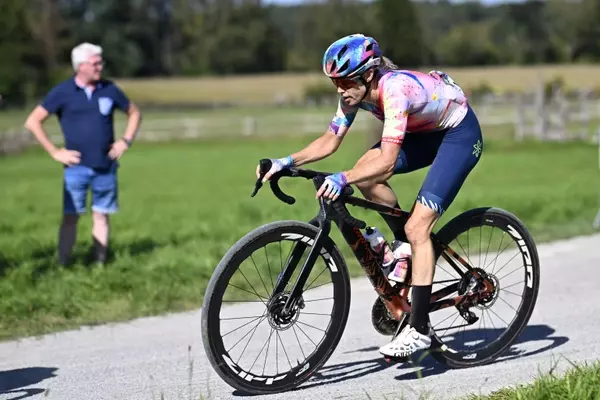
In a remarkable demonstration of environmental commitment and athletic endurance, Canadian cyclist Alexis Cartier undertook an ambitious journey for the 2025 season. He aimed to compete in all nine major American gravel races, including every stage of the six-event Life Time Grand Prix, which kicks off in April with the Sea Otter Classic. However, profoundly concerned by the escalating climate crisis, the 34-year-old adventurer made a conscious decision to avoid air travel and motorized vehicles. Instead, he opted to cycle between all the races, transforming his competitive season into an extraordinary 15,000-kilometer bikepacking odyssey across the continent.
Cartier's incredible seven-month expedition saw him traverse diverse landscapes, all while adhering to his self-imposed code of conduct against flying and driving. He participated in each race, primarily using the same bicycle, with only one exception when he rented a mountain bike for the Leadville event. This awe-inspiring feat of athleticism and dedication to environmental principles is captured in a newly released short film, 'The Spirit of Gravel.' The documentary offers a compelling and thought-provoking look into Cartier's unique approach to competitive cycling, challenging conventional norms and inspiring viewers with his unwavering resolve.
At the heart of Cartier's endeavor is a powerful message regarding the environmental impact of professional sports. He eloquently states in the documentary, "I love bicycle racing, but I'm also increasingly conscious of its environmental impact. We are in an ecological crisis. Maybe it's time to review what sporting excellence should look like." He further elaborates that while the act of racing itself is benign, the extensive motorized travel associated with it is not. Cartier believes he has found a "beautiful solution" by integrating travel into the challenge, proposing that "riding to the startline, and keep on racing" offers a more sustainable and fulfilling path.
Throughout the film, Cartier is depicted pedaling through breathtaking terrains and facing various weather conditions, always with a genuine smile that suggests his profound connection to the journey. His sincerity and commitment shine through, presenting him as a truly authentic figure who embodies his beliefs without being preachy. His perspective on cycling is deeply philosophical: "Bicycle racing takes place, obviously on bicycle, which just happens to be the best way to move around…fast enough to go far, but slow enough to feel everything," he explains. For Cartier, airplanes and cars are "teleportation devices that make you skip the best part. Riding to the start line is not a sacrifice. It's a gift."
Cartier challenges the traditional definition of competition, proposing a new standard: "Getting together to see who can go the fastest on a bicycle is a fun game. If you add a no-flying no-driving challenge to the game, it changes how you play it. Riding to the race should be your new gold standard. If you can win on top of that… that's great. But it's also secondary. There is no merit to being better than someone else anyway. The real challenge is to live up to your own standards." His journey serves as a powerful testament to the idea that true sporting excellence can encompass both competitive drive and a profound respect for the planet, inspiring a reconsideration of how athletes engage with their sport in an era of environmental urgency.