Trending Searches
A Cyclist's Vision for Inclusive Cycling: Breaking Down Barriers to Participation
This discussion addresses the persistent hurdles hindering wider engagement in cycling, building upon observations made several years prior. Initially, the author, a young female rider, felt a distinct lack of belonging in a sport largely dominated by men. This feeling, far from unique, underscores a systemic issue where various demographic groups—women, ethnic minorities, individuals with lower incomes, and novices—encounter significant obstacles to participation and integration. While some progress has been noted through the efforts of dedicated advocates and community programs, substantial transformations are still needed. Key areas requiring attention include financial accessibility, urban planning for cyclists, diverse representation within the sport, and overcoming ingrained perceptions.
The central challenge is not merely to increase the number of riders, but to cultivate an environment where cycling is genuinely inviting and accessible for all, regardless of background or experience. The author presents a comprehensive blueprint for achieving this, emphasizing that true inclusivity involves dismantling current exclusionary elements and proactively designing systems that cater to a broader spectrum of society.
A notable disparity exists in cycling participation between genders, serving as a stark indicator of unequal access. Government data reveals that men are almost three times more likely than women to cycle for transportation. Despite a general rise in female engagement, women remain significantly underrepresented across various levels of cycling, from competitive racing to casual rides and club activities. This gender imbalance, as highlighted by Cycling UK, is still inadequately addressed in national active travel strategies.
Safety concerns are a primary deterrent for women. A recent survey indicated that over half of women cycle less due to fears surrounding road safety, inadequate infrastructure, and aggressive driver behavior. These issues disproportionately affect women, making them feel more vulnerable and less catered to by existing cycling facilities. Sophie Gordon, campaigns manager at Cycling UK, stresses the importance of designing safe cycling routes with women's experiences in mind and confronting negative driver conduct. A visible presence of female cyclists can encourage others, but this virtuous cycle necessitates prior investment in secure infrastructure. Traditional cycling clubs can also be intimidating. In response, groups like Lila, founded by Lucy Eastoe and her colleagues, aim to create supportive, female-focused environments through no-drop rides, beginner sessions, and maintenance workshops, fostering confidence and a sense of belonging.
Exclusion extends beyond gender. Cycling has historically been associated with a specific demographic—middle-aged white men—and this lack of diversity is evident at all levels. For instance, a disproportionately low number of ethnic minority riders are registered with UCI teams in the UK, a trend mirrored in grassroots participation. Minoritized ethnic groups, disabled individuals, and LGBTQ+ communities show significantly lower rates of regular cycling. This participation gap is not solely about numbers; perception plays a critical role. Yannick White, co-founder of Chain Gang Cyclists, argues that narrow representation in media, advertising, and club culture creates a subconscious message that cycling is not for everyone. Amplifying the visibility of diverse riders is crucial. Andy Edwards' 'Diversity in Cycling' report (2022) proposes solutions such as broader representation in marketing, actively inviting diverse individuals into cycling spaces, and encouraging existing cyclists to reflect on their roles in community building. Small, intentional actions, like guest rides, can have a cumulative positive effect, leading to more diverse coaches, leaders, and organizers, ultimately benefiting the sport commercially and culturally.
The financial aspect also presents a significant hurdle. While often promoted as an economical mode of transport, the initial costs of a bicycle and helmet, coupled with ongoing expenses for maintenance, repairs, and security, can be prohibitive for those on lower incomes. Ozgur Korkmaz, founder of London Cycling Club in an underserved area, explains that these barriers are often cumulative. Lack of affordable repairs or secure storage makes cycling an unreliable option. To address this, his club runs a 'Bike Library' program, allowing residents to borrow refurbished bikes for a nominal fee, with waivers for those facing financial hardship. Korkmaz emphasizes the need for long-term borrowing schemes, free maintenance education, community bike hubs, and safe cycling facilities in parks and residential areas, especially in low-income communities. By tackling cost, skills, infrastructure, and confidence concurrently, cycling can become a transformative, rather than exclusionary, activity.
Perceived safety remains the foremost concern preventing individuals from embracing cycling. Government studies reveal that nearly half of potential cyclists are deterred by perceived risks, even though actual fatality rates are relatively low. Nonetheless, busy roads, rapid traffic, and poorly designed intersections pose a significant challenge for less experienced riders. The development of robust, high-quality cycling infrastructure is paramount. London's expanding Cycleway network, which has seen a 43% increase in daily cycling journeys since 2019, demonstrates the positive impact of such investments on both actual and perceived safety. The key is to implement segregated cycle lanes and bike-friendly traffic systems that extend beyond commuter routes to encompass neighborhoods and high streets, making cycling viable for everyday activities. This approach ensures that cycling is integrated into daily life for all, not just a select few.
Beyond practical issues, elitist attitudes and intimidating club environments can alienate newcomers. Experiences such as rigid membership requirements or jargon-filled conversations, as recounted by Yannick White, create a sense of not belonging. This subtle elitism, often unintentional, is reinforced by established practices and even social media portrayals of cycling. To counter this, clubs need to actively create welcoming entry points for beginners, proving that performance-oriented and recreational cycling can coexist. The success of inclusive groups like Chain Gang Cyclists, which leverages social media to connect with new riders and foster a sense of community, highlights the effectiveness of intentional inclusivity. When new members feel at home, it signals that these initiatives are making a tangible difference.
Ultimately, cycling's accessibility crisis stems from a complex interplay of safety concerns, economic disadvantages, and cultural biases. Addressing these multifaceted barriers—structural, physical, and cultural—is essential. This involves building safer roads, fostering inclusive club environments, implementing affordable bike programs, and promoting diverse representation within the sport. The goal is to shift the onus from newcomers having to adapt to cycling, to cycling adapting to the diverse needs and realities of all potential riders, thereby affirming everyone's right to participate in this transformative activity.
Related Articles
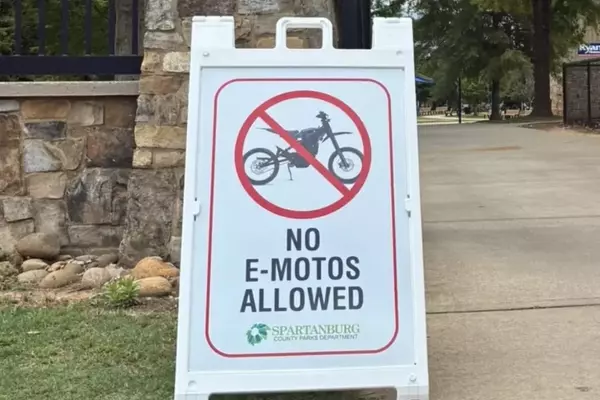
New State Laws Redefine Electric Bicycle Classifications: E-bike vs. E-moto
Brent Council Delays Active Travel Report, Citing Data and Election Hurdles