Trending Searches
The Debate Over a Closed Bass Fishing Season
The question of whether a closed season is necessary for bass fishing has long been a point of contention within the angling community. While proponents suggest that halting fishing during spawning seasons would safeguard fish populations, an opposing view, presented forcefully in this article, contends that modern angling ethics, robust management strategies, and scientific understanding negate the need for such restrictions. This perspective highlights the transformative impact of catch-and-release, the inherent hardiness of bass, and the economic benefits sustained by year-round fishing activities, advocating for a more nuanced approach centered on education and tailored regulations.
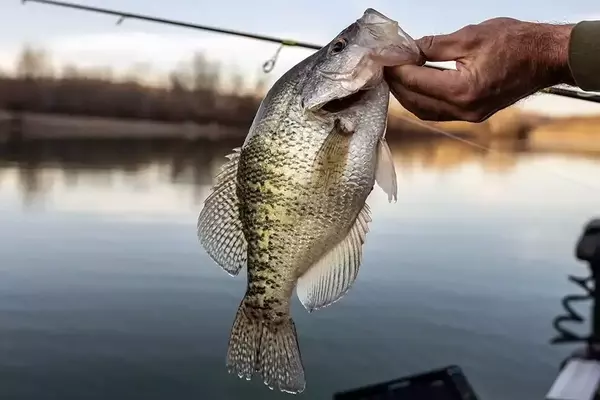
Historically, the practice of keeping every fish caught was commonplace, even in early competitive fishing events. However, a significant cultural shift has occurred, with catch-and-release becoming the predominant ethic among contemporary bass anglers. This widespread adoption, driven by a growing awareness of conservation, means that fish are typically handled with care and returned to the water, often thriving afterward. This evolution in angler behavior significantly reduces the pressure on fish populations, particularly during critical periods like spawning, rendering past arguments for closed seasons based on overharvesting largely obsolete. The commitment of today's anglers to preserving fish stocks through responsible practices ensures that bass populations remain healthy and robust without the need for strict, widespread fishing bans.
Bass species, including largemouth and smallmouth, are remarkably adaptable and possess an inherent ability to maintain their populations even under fishing pressure. They can inhabit diverse aquatic environments, reproduce multiple times throughout their lifespan, and exhibit a natural resilience. Research from regions like Florida and Texas, where bass are frequently fished during spawning, indicates stable and healthy populations. This is partly due to the fact that male bass fiercely guard their nests, and even if briefly caught and released, they typically return to protect their young. Nature's design, where bass lay thousands of eggs with only a fraction reaching maturity, accounts for natural predation, suggesting that recreational fishing during the spawn does not inherently destabilize the overall ecological balance as much as some might perceive.
Beyond its recreational value, bass fishing represents a substantial economic engine, contributing billions of dollars to the national economy. This industry encompasses various sectors, from fishing gear and boats to tourism and competitive tournaments. Many smaller communities, particularly in states with shorter fishing seasons like New York, depend heavily on year-round fishing activities to support local businesses such as marinas, hotels, restaurants, and tackle shops. Imposing a closed season could severely disrupt these local economies, leading to significant financial repercussions and impacting livelihoods. Maintaining year-round access to fishing helps sustain these businesses, promotes outdoor engagement, and ensures a steady flow of revenue that indirectly supports conservation efforts.
Rather than implementing blanket closures, a more effective and progressive approach involves a combination of angler education and targeted regulatory measures. Many regions already employ sophisticated management tools, such as slot limits, size restrictions, and specific seasonal catch-and-release mandates, which effectively protect spawning fish without completely shutting down fishing opportunities. The current generation of anglers is highly informed, with readily available online resources promoting best practices for fish handling and conservation. The fishing community itself fosters a sense of accountability, with most participants understanding the importance of minimizing stress on fish, especially during vulnerable periods. This adaptive and data-driven management style is proving to be more beneficial for long-term conservation than outdated, broad-stroke prohibitions.
The essence of bass fishing extends beyond merely catching fish; it embodies a profound connection to the natural world and a continuous learning experience across all seasons. Each period of the year offers unique angling challenges and rewards, from the calm of winter fishing to the excitement of spring spawning, the thrill of summer topwater action, and the strategic demands of autumn. Disrupting this continuous cycle with a closed season not only curtails recreational opportunities but also severs the ongoing engagement between anglers and their environment. Year-round participation encourages a deeper understanding of aquatic ecosystems, fosters improved fishing skills, and cultivates greater respect for natural resources. A closed season would diminish this vital connection without offering a demonstrable benefit to the fishery.
Observations from states like Florida, Alabama, and Texas, which boast thriving bass populations despite having no closed seasons, serve as compelling evidence that year-round fishing is compatible with robust fish stocks. Renowned fishing destinations such as Lake Okeechobee, Sam Rayburn, Guntersville, and Lake Fork consistently produce trophy bass, experiencing continuous angling pressure throughout the year. The success in these regions is attributed to intelligent management strategies, comprehensive angler education programs, and a strong emphasis on conservation rather than prohibition. Their approach demonstrates that, with appropriate oversight and a pervasive catch-and-release culture, bass populations can flourish, eliminating the need for seasonal closures.
Active participation in fishing naturally transforms anglers into environmental stewards. By being present on the water, they become vigilant observers, often being the first to report issues such as pollution, the presence of invasive species, or habitat degradation. Many actively engage in volunteer clean-up initiatives and habitat restoration projects. Discontinuing fishing activities for a period could inadvertently distance these individuals from the very environments they care about, potentially reducing the monitoring and direct action that benefits aquatic ecosystems. Furthermore, the financial contributions from fishing licenses, excise taxes on tackle, and direct donations to conservation programs are all dependent on a robust and active angling community. Maintaining year-round fishing ensures the continuous flow of these vital resources, strengthening the overall conservation framework.
The rationale for implementing a closed bass season, while appearing sound in theory, often fails to align with the contemporary realities of fishing. A comprehensive understanding of bass biology, coupled with widespread ethical catch-and-release practices and scientifically informed management, allows for effective resource protection without resorting to blanket closures. Bass fishing forms an integral part of the outdoor identity, characterized by accessibility, sustainability, and continuous evolution. Provided anglers maintain responsible practices, show respect for natural resources, and support management informed by scientific data, there is no ecological imperative to close the season; neither the bass populations nor the angling community necessitates such a restriction.