Trending Searches
Demi Vollering Advocates for Enhanced Visibility in Women's Cycling Broadcasts
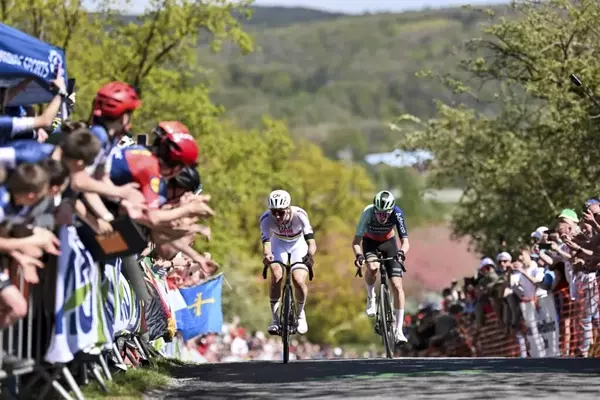
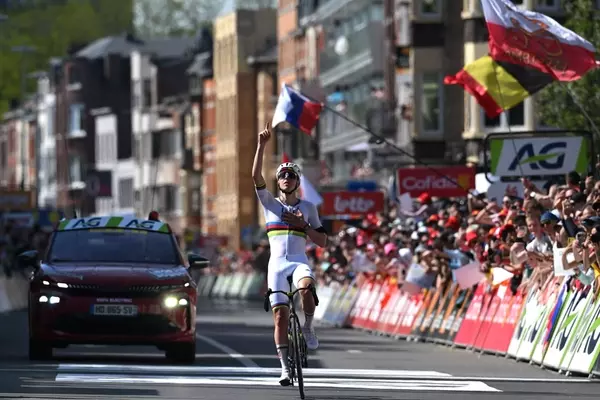
Following her notable triumph at Liège-Bastogne-Liège, cycling sensation Demi Vollering voiced strong opinions regarding the disparity in television exposure between male and female cycling events. She highlighted the unfairness of truncated broadcasts for women's races, especially when compared to the extensive coverage granted to men's competitions. Vollering's comments underscore a persistent issue in professional cycling, where despite significant strides in the sport's development, equal representation in media coverage remains an uphill battle. Her plea for enhanced visibility is not merely a call for more airtime but a fundamental demand for equitable recognition and appreciation of women's athletic achievements.
Vollering elaborated on her concerns during the post-race press conference, pointing out a noticeable shift in broadcast patterns. Historically, women's races would commence early, allowing for longer live coverage. However, current practices often relegate women's race broadcasts to commence only after the men's event concludes, drastically shortening their airtime. She passionately argued for concurrent broadcasting or alternating coverage between men's and women's races, especially in situations where the outcome of a men's race, such as Tadej Pogačar's solo lead, is seemingly predetermined. This proposal aims to ensure that both events receive the attention they merit, without one overshadowing the other.
The criticism from Vollering emerged particularly after Tadej Pogačar set a new speed record in the men's Liège-Bastogne-Liège, yet a substantial forty-minute gap separated the conclusion of his race's broadcast from the commencement of the women's coverage. This scheduling not only diminishes the live audience for the women's event but also sends a disheartening message about its perceived importance. Vollering stressed the importance of continuous advocacy, noting widespread disappointment among fans regarding the brevity of women's cycling broadcasts. She expressed hope that sustained pressure would lead to meaningful changes.
Echoing her sentiments, Vollering had previously reflected on the progress of women's cycling over the past 11 years in an Instagram post. She recalled a time when races like the Belgian event lacked a women's counterpart, and her own career as a professional had yet to begin. Now, lining up for her seventh participation, she acknowledged the significant advancements but lamented that the reduced TV coverage represented a step backward. This paradoxical situation highlights the ongoing struggle for women's sports to achieve full parity and recognition.
Vollering firmly stated that mere glimpses of the final 30 kilometers of a race are insufficient. Such limited coverage, she argues, fails to do justice to the demanding nature and strategic complexity of women's cycling. She emphasized that the issue is not about comparing the merits of men's versus women's cycling but about ensuring that women's sports receive the full and comprehensive visibility they inherently deserve. This stance highlights a broader movement within women's sports to challenge existing biases and demand fair and equal media treatment.
The debate surrounding TV broadcasts is not new, with previous controversies, such as the drastically reduced coverage of Paris-Roubaix Femmes, drawing considerable backlash. In that instance, showing less than an hour and a half of the women's race while the entire men's race was aired was widely condemned as a significant affront to women's cycling. These recurring incidents underscore the systemic challenges that women athletes and their advocates face in securing equitable media attention and the vital need for continued advocacy to achieve a level playing field.
In summary, Demi Vollering's recent comments bring to the forefront the critical issue of equitable media coverage in professional cycling. Her powerful call for more comprehensive television broadcasts for women's races underscores the imperative for continuous advocacy to ensure that the sport receives the full visibility and recognition it deserves. The ongoing disparity in airtime between men's and women's events reflects a broader challenge within sports media to adequately showcase female athleticism, necessitating a concerted effort from athletes, fans, and broadcasters alike to champion gender equality in sports representation.