Trending Searches
The Diminished Allure of the Giro d'Italia
This year's Giro d'Italia is set to commence in Bulgaria, yet for many, including ardent fans, the usual excitement surrounding this prestigious cycling event appears to be notably subdued. Historically celebrated for its dramatic flair, challenging courses, and unpredictable outcomes, the recent editions seem to be losing their captivating essence. The current iteration is perceived to suffer from a less inspiring route and a field of competitors that, while featuring a standout talent, may not offer the diverse and intense rivalries that have previously defined the race. This shift prompts a reflection on whether the Giro can reclaim its former glory as a spectacle of cycling prowess and unexpected turns.
For a long time, the Giro d'Italia was a beacon of thrilling uncertainty in the cycling calendar, offering a stark contrast to more predictable events. The early 2010s, in particular, are remembered for their extraordinary moments: Cadel Evans' memorable performance in the mud, the chaotic breakaway stages, and Ivan Basso's path to redemption. These events encapsulated the essence of the Giro—a relentless test set against Italy's breathtaking landscapes, characterized by iconic ascents, innovative stage designs, and an abundance of sheer pandemonium. Such races were vital, providing a vibrant antidote to the sometimes monotonous dominance seen in other grand tours, especially during certain eras.
The race's charm lay in its capacity for the unexpected. Fans recall vivid scenarios like Ryder Hesjedal's last-day surge past Joaquim Rodríguez, Nairo Quintana's strategic maneuver through the snowy Stelvio Pass, Steven Kruijswijk's heartbreaking fall, Vincenzo Nibali's heroic recovery, Tom Dumoulin's infamous pit stop, Simon Yates's collapse on the Finestre, and Chris Froome's dramatic resurgence. These were not just races; they were narratives woven with skill, grit, and chance. Even recent years have delivered memorable duels, such as the intense rivalry between Primož Roglič and Geraint Thomas in 2023, and Simon Yates's remarkable comeback on the Finestre, demonstrating the race's enduring potential for greatness.
However, the current edition presents a different picture. The route, in its present form, notably lacks the kind of legendary mountain stages that are synonymous with the Giro. While some climbs, like Blockhaus, are included, their early placement might dilute their overall strategic impact. Stage 14 to Pila promises some excitement, but only stage 19, traversing the Dolomites and the formidable Passo Giau, truly evokes the classic Giro mountain challenge. The scarcity of such demanding and iconic climbs throughout the rest of the course contributes to a sense of uninspired anticipation.
Furthermore, the roster of participants this year raises questions about competitive balance. While Jonas Vingegaard, a prominent figure in contemporary cycling, is a significant presence, the field beyond him appears less formidable. Riders such as Giulio Pellizzari, Adam Yates, Enric Mas, Jai Hindley, and Egan Bernal are all accomplished, yet doubts linger about their collective ability to truly challenge a top-form Vingegaard. This concentration of talent around a single star risks transforming the race into a controlled procession rather than the dynamic, unpredictable contest fans crave. The specter of Tadej Pogačar's dominant performance in 2024, where he commanded the race from beginning to end, looms large, suggesting a potential future for the Giro where calculated control might replace its cherished chaos.
The Giro's standing in the cycling world is also being reshaped by broader trends, particularly the narrative shift towards the classics and the Tour de France in the wake of the 'Pogačar era.' What was once an exhilarating alternative now seems to be overshadowed by events preceding and following it. Despite these concerns, the inherent beauty of the Giro lies in its capacity for sudden change. The possibility of unforeseen drama unfolding in the Dolomites, of established plans being overturned, keeps a flicker of hope alive. This unpredictable element is, ultimately, why the Giro retains a special place in the hearts of cycling enthusiasts, even when initial enthusiasm might wane.
Related Articles
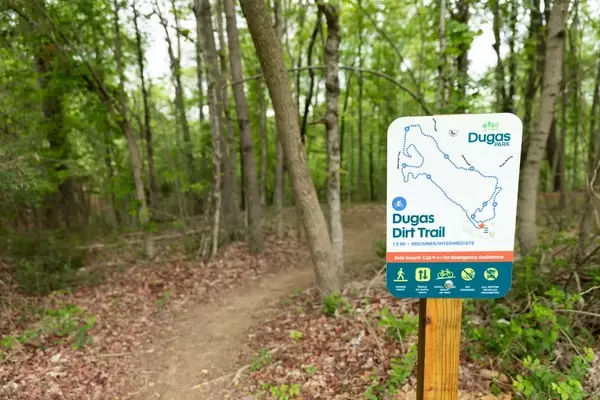
Dugas Community Park Unveils New Mountain Bike Trail, Aims for Regional Hub Status

E-bike Innovations and Safety Advancements: A Weekly Roundup