Trending Searches
E-Bike Market Innovations and Regulatory Challenges
The e-bike industry is buzzing with new product announcements and significant market shifts, alongside some contentious regulatory developments. This week, we've seen the unveiling of several innovative e-bike models from manufacturers like Amflow, Tenways, and Hepha. Concurrently, major retailers such as Halfords are reporting impressive financial turnarounds, largely fueled by a surging demand for electric bicycles. However, not all news is positive, as new licensing requirements for e-bikes in New Jersey have sparked debate and concern among enthusiasts and industry observers.
Amidst these product innovations and market successes, the proposed licensing system in New Jersey represents a notable challenge. This new regulation, set to take effect soon, mandates age restrictions, vehicle registration, and helmet use, along with requiring a driver's license or a specialized e-bike exam. Such measures could significantly impact e-bike accessibility and adoption, raising questions about the future landscape of electric cycling, particularly in urban and suburban environments. The contrasting narratives of technological progress, commercial triumph, and regulatory friction paint a complex picture for the evolving e-bike market.
Pioneering E-Bike Technologies and Market Triumphs
The e-bike sector is witnessing a wave of innovation, with new models pushing the boundaries of design and functionality. Amflow's TL Carbon, a full-suspension e-bike, stands out with its adaptable flip-chip system for varying wheel sizes and an adjustable head tube, capable of supporting a substantial payload. Its lightweight carbon frame houses a powerful Avinox M2 motor, offering high torque and advanced traction control, complemented by removable batteries for extended range and an integrated app with GPS tracking. Similarly, Tenways has partnered with Bosch to introduce the Ago Performance hybrid e-bike, featuring a Gates CDX carbon belt drive and Enviolo twistgrip gearing, combining efficiency with a sleek design. Hepha's Urban X concept further redefines urban commuting with automatic power, shifting, and braking, along with a unique charging network vision. These advancements highlight a growing trend towards more versatile, powerful, and user-friendly electric bicycles.
Beyond product innovation, the e-bike market is also proving to be a significant economic driver. Halfords, a prominent UK retailer, has reported a remarkable financial recovery, transforming a previous year's loss into a substantial profit. This turnaround is largely attributed to a significant increase in bicycle sales, particularly driven by consumer demand for certified e-bikes. The company plans to expand its e-bike offerings, introducing new Carrera models with integrated batteries and enhanced after-sales support. Halfords' commitment to quality and safety is further underscored by its participation in the Bicycle Association's E-bike Positive accreditation scheme. This commercial success story demonstrates the increasing mainstream appeal of e-bikes and their critical role in revitalizing the cycling industry, showcasing a robust market eager for high-quality, reliable electric mobility solutions.
Navigating Regulatory Landscapes: The New Jersey E-Bike Licensing Controversy
While the e-bike market flourishes with technological advancements and commercial successes, regulatory hurdles are emerging, particularly exemplified by New Jersey's new e-bike licensing system. This controversial measure requires e-bike riders to be at least 15 years old, register their bikes with official stickers, wear helmets, and either possess a valid driver’s license or pass a specific e-bike examination. These regulations, set to be enforced from July 19th, have sparked considerable debate. Critics argue that such stringent requirements could hinder e-bike adoption, especially for those who rely on them as an accessible and sustainable mode of transportation. The initiative raises questions about the balance between public safety and promoting environmentally friendly mobility options, challenging the current growth trajectory of the e-bike community in the state.
The implementation of e-bike licensing in New Jersey presents a complex challenge for both riders and regulatory bodies. The move is intended to enhance safety and integrate e-bikes more formally into traffic laws, yet it introduces significant barriers. For instance, requiring a driver's license or an e-bike specific exam could disproportionately affect individuals who do not drive or those for whom an e-bike offers a primary alternative to car ownership. The mandatory registration and display of stickers also add layers of bureaucracy that could deter potential users. This regulatory shift highlights a growing tension between fostering the e-bike movement and the desire for stricter control over their usage. The outcome in New Jersey could serve as a precedent for other regions considering similar measures, shaping the broader regulatory environment for electric bicycles in the coming years and potentially impacting the industry's continued expansion and accessibility.
Related Articles
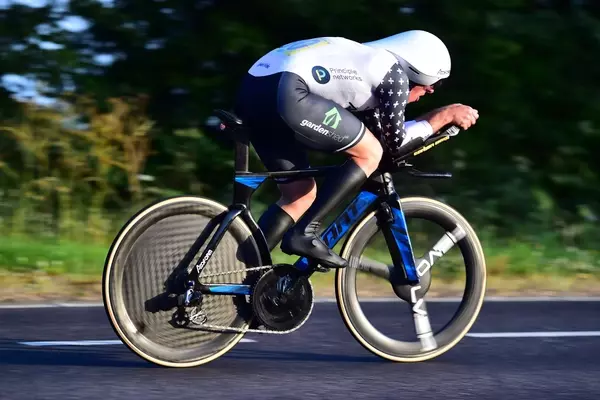
Adam Duggleby Breaks British 100-Mile Time Trial Record with Strategic Fueling and Family Support
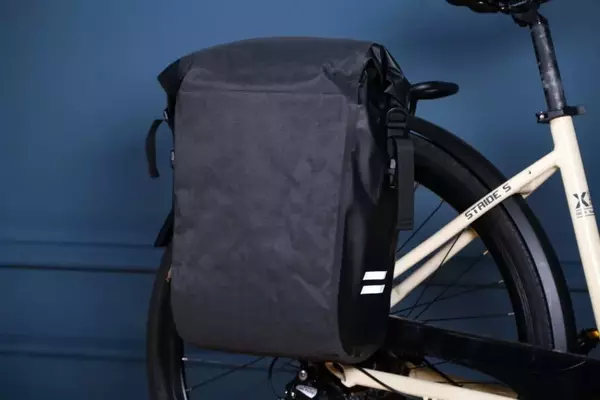
Halfords Advanced Waterproof Pannier Bag: A Commuter's Companion with Room for Improvement