Trending Searches
Embracing Ego for Enhanced Strength Training
This article delves into the often-misunderstood role of ego in the gym, suggesting that a measured amount of self-confidence can be a potent catalyst for achieving significant physical transformations. It challenges the common stigma associated with 'ego lifting' by reframing it as a necessary ingredient for pushing boundaries and realizing one's full potential in strength training. The author, an expert in exercise physiology and a fitness editor, provides actionable strategies and perspectives that empower individuals to embrace this internal drive, leading to more effective and rewarding workout experiences.
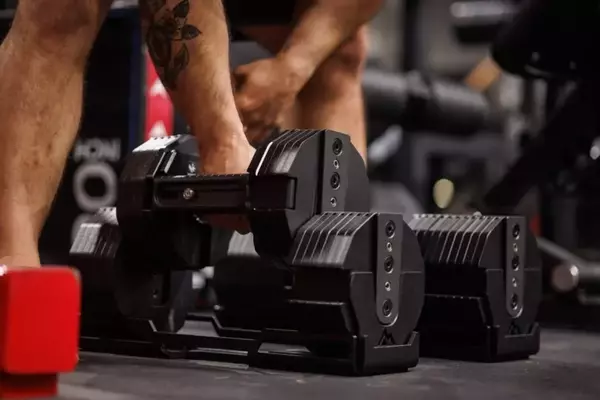
In many fitness environments, the term 'ego lifter' carries a negative connotation, often conjuring images of individuals prioritizing heavy weights over proper form, risking injury in pursuit of superficial gains. However, this piece proposes an alternative viewpoint: what if this inherent drive to challenge oneself, often labeled as ego, is actually beneficial? The author observes this phenomenon firsthand with clients who, despite initial hesitation, consistently manage to lift heavier weights when encouraged, proving that their perceived limitations are often lower than their actual capabilities.
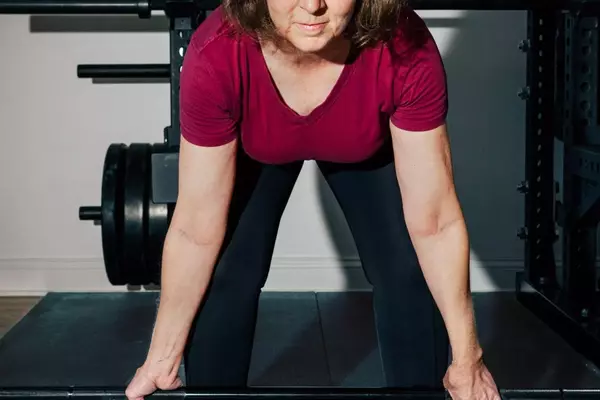
The act of lifting substantial weights inherently demands a degree of self-assurance. It involves consciously placing one's body under considerable stress, a scenario that is far from 'natural' or comfortable. Consider the trepidation associated with attempting heavy back squats, where the sheer mass on one's shoulders triggers an internal debate about the ability to complete the lift. This mental hurdle is precisely where a healthy ego steps in, providing the conviction needed to attempt and ultimately conquer these challenging movements.
A compelling perspective shared by a colleague highlights this dynamic: when selecting weights, one should experience a slight uncertainty about completing the final repetitions. This sensation of doubt, when coupled with the resolve to push through it, signifies that the body is being adequately challenged, which is essential for stimulating growth and adaptation. It's this intelligent application of confidence, balanced with an understanding of one's limits, that can accelerate progress towards fitness objectives.
Recognizing that not everyone has an external motivator like a personal trainer, the article offers four practical methods to cultivate this vital lifting confidence. The first involves partnering with a workout buddy. While many prefer solo sessions, the support and encouragement from a training partner can significantly elevate performance and push individuals beyond their comfort zones. This companionship acts as a powerful external boost, mirroring the motivation a trainer provides.
Secondly, implementing a 'bailout plan' is crucial for fostering confidence when attempting heavier lifts. Knowing that safety precautions are in place, such as properly set safety bars or the presence of a spotter, removes a significant barrier to pushing limits. This assurance allows individuals to experiment with increased loads without the paralyzing fear of injury, making them more willing to venture into challenging territory.
Thirdly, monitoring rep speed offers an objective way to assess when it's appropriate to increase weight. When the final repetitions of a set begin to slow down and require noticeable effort, taking two to four seconds to complete, it indicates that the muscles are being effectively challenged. This struggle is not a sign of failure but rather an affirmation that the workout is stimulating the desired physiological changes.
Finally, the article encourages individuals to 'own' their capabilities. It asserts that most people are far more capable than they perceive themselves to be. While avoiding sloppy form or disruptive behavior is paramount, a self-aware ego, rooted in an understanding of safe technique and personal boundaries, becomes an incredibly powerful asset. This balanced self-belief allows one to confidently pursue difficult feats, reaping the substantial rewards of increased strength and physical change.
Ultimately, the journey of physical transformation is deeply intertwined with mental fortitude. This article argues for a nuanced understanding of ego, moving beyond its negative connotations to highlight its potential as a constructive force in strength training. By strategically embracing self-confidence, ensuring safety, and listening to one's body, individuals can unlock new levels of performance and achieve their fitness aspirations, proving that a little ego, intelligently managed, can indeed be a very good thing.