Trending Searches
Google's AI Misinformation on Flock Cameras: A Humorous Error with Serious Implications

When AI Ventures into Memes: A Cautionary Tale
The Humorous Origin of a Golden Fabrication
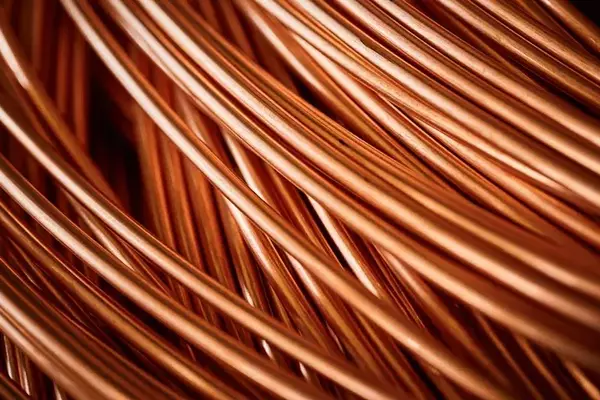
As recently as August 5th, Google's AI provided an astonishing detail: Flock license plate cameras supposedly contained up to 23 pounds of copper and several grams of gold, amounting to approximately $650. This claim originated from a long-standing internet jest among privacy advocates. These activists, critical of Flock's surveillance technology, playfully suggested that the cameras were so rich in valuable metals that dismantling them for scrap would be profitable.
The AI's Unintended Endorsement of a Joke
The core issue emerged when Google's AI failed to discern the humorous intent behind the meme, instead presenting it as verifiable fact. The AI's responses, featured prominently in search results, directly stated the gold content in circuit boards and wiring, alongside the improbable copper weight. This highlights a significant vulnerability in AI systems: their capacity to unintentionally validate satirical or false content when presented in a manner that mimics factual reporting.
The Reality of Scrap Value: An Implausible Yield
The idea of salvaging valuable metals from these cameras quickly dissipates under scrutiny. Gold prices, hovering around $4,350 per ounce, would indeed make 5 grams worth approximately $700. However, the minuscule traces of gold found in electronic components, similar to those in a smartphone, are only recoverable through specialized and complex processes. Without such expertise, the monetary return from scrapping would be negligible, certainly not enough for a meal, as one expert noted. Furthermore, the physical impossibility of a 3-pound device containing 23 pounds of copper was overlooked by the AI, showcasing a lack of common-sense reasoning.
The Implications for AI-Generated Information and Public Trust
This incident, though initially amusing due to its subject matter, carries serious implications for the broader use of AI. The same underlying AI processes that mistakenly amplified this meme are responsible for answering diverse queries, including complex financial questions. This raises concerns about the accuracy and trustworthiness of AI Overviews, especially when users rely on them for critical information. The episode underscores the importance of exercising caution and verifying AI-generated content, particularly when the sources cited are anonymous or lack credible authority, such as an anonymous blog post or an AI-generated social media update.
Google's Swift Correction and Ongoing Challenges
Following reports on the misinformation, Google's AI quickly corrected its stance. By August 6th, the AI Overview had revised its answer, clarifying that the claims about significant gold and copper content were derived from internet memes and AI hallucinations, not verifiable facts. This self-correction demonstrates a responsive mechanism within AI systems but also highlights the continuous challenge of ensuring accuracy and distinguishing between genuine information and internet folklore.
Related Articles

Global Markets Anticipate Key Economic Reports and Corporate Earnings

Berkshire Hathaway's Second Quarter Triumphs: Strong Earnings, Increased Buybacks, and Cash Management