Trending Searches
Gyrotonic and Gyrokinesis: Enhancing Hiker Performance
This article explores the benefits of Gyrotonic and Gyrokinesis, two exercise methodologies developed initially for dancers, and how they can be adapted to significantly improve the physical well-being of hikers. These systems focus on holistic movement, emphasizing circular and spiraling patterns to engage the entire body, enhance flexibility, and build strength from within. By addressing often-neglected muscles and promoting fluid motion, these practices offer a unique approach to injury prevention, rehabilitation, and overall performance enhancement for outdoor enthusiasts.
The core principles of Gyrotonic and Gyrokinesis are rooted in centuries-old Eastern practices such as qigong and tai chi, which prioritize slow, deliberate movements and conscious breathing. Unlike traditional strength training that often isolates muscle groups, these methods view the body as an interconnected system. The specialized Gyrotonic equipment, while appearing similar to Pilates apparatuses, facilitates a full range of motion, encouraging joint mobility and spinal decompression. Gyrokinesis, the mat and stool-based counterpart, offers similar benefits without equipment, making it accessible for practice anywhere, including on the trail or at home.
Leslie Hubbard, a certified Gyrotonic and Gyrokinesis instructor at Hidden Root Studio, highlights the individualized nature of these practices. She tailors sequences to meet each person's unique physical needs and limitations, ensuring safe and effective movements. This personalized approach is particularly valuable for hikers, who often experience stiffness, aches, and specific muscle imbalances due to the repetitive nature and load-bearing demands of trekking. By focusing on gentle, intentional movements, participants can gradually increase their strength and flexibility without exacerbating existing conditions.
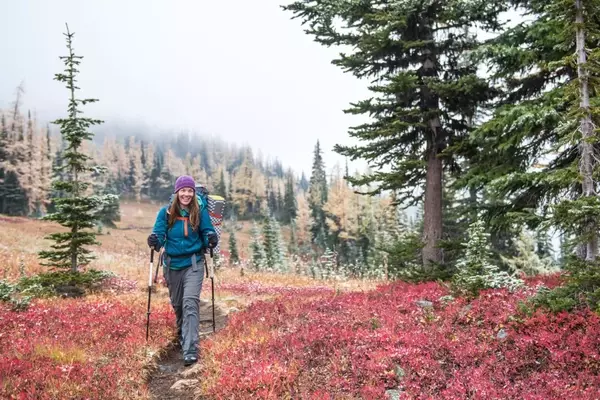
For hikers, integrating Gyrokinesis exercises can lead to tangible improvements. The spine mobilization sequence, for instance, helps alleviate tension caused by carrying a heavy backpack. By gently arching and curling the spine, driven by pelvic movement, and incorporating side stretches and rotational spirals, hikers can enhance spinal flexibility and promote better posture. This can reduce discomfort and fatigue during long hikes, contributing to a more enjoyable experience.
The foot and ankle sequence, often an introduction to Gyrokinesis, is particularly transformative for hikers. After hours on varied terrain, feet and ankles can become stiff and sore. This sequence involves massaging the soles, stretching the toes, and performing circular movements of the ankle joint. These actions increase blood flow, release tension, and create space within the joints, ultimately improving stability and agility on uneven paths. Hubbard emphasizes listening to one's body and performing movements within a comfortable range, even if it's small, to achieve a therapeutic effect akin to a deep massage.
Incorporating these mindful movement practices into a hiker's routine offers a comprehensive way to prepare the body for the challenges of the outdoors. By fostering body awareness, enhancing circulation, and building foundational strength, Gyrotonic and Gyrokinesis enable hikers to move more gracefully, prevent common injuries, and recover more effectively. The emphasis on smooth, continuous motion and the body's natural energetic pathways ensures a balanced and resilient physique, capable of tackling diverse landscapes with greater ease and comfort.