Trending Searches
A Hidden Gem: Exploring the Ten Lakes Wilderness Study Area and Stahl Peak Fire Lookout
When plans for a Glacier National Park excursion fell through, a serendipitous suggestion led to an unforgettable journey into Montana's lesser-known Ten Lakes Wilderness Study Area. This remarkable region, boasting pristine nature and minimal crowds, offers an ideal escape for outdoor enthusiasts. The adventure centered around a trek to the venerable Stahl Peak fire lookout, revealing a landscape shaped by ancient glaciers, teeming with diverse flora and fauna, and presenting challenging yet rewarding trails. It's a testament to the fact that some of the most breathtaking experiences lie just off the beaten path, waiting to be discovered by those willing to explore.
An Unplanned Expedition to Montana's Wilderness
In mid-July 2026, an unforeseen permit snag redirected a planned backpacking trip to Glacier National Park. Instead, an opportune recommendation pointed towards the Ten Lakes Wilderness Study Area, situated just an hour north of Kalispell, Montana, near the Canadian border. The objective: reach the historic Stahl Peak fire lookout, a cabin available to backpackers on a first-come, first-served basis, promising an uncrowded and spectacular experience.
This protected expanse, part of the Kootenai National Forest and spanning nearly 15,000 acres, has been preserved since the 1960s. Its unique status prohibits motorized vehicles, ensuring an immersive wilderness experience. Unlike its more famous neighbor, Glacier National Park, the Ten Lakes area does not require permits for overnight camping, making it an accessible haven for spontaneous adventurers.
The journey commenced in June, a period characterized by extended daylight and the distinct humidity of an inland temperate rainforest. Below the tree line, dense vegetation thrives, featuring western redcedar, hemlock trees, devil's thumb shrubs, skunk cabbage, and an abundance of ferns, moss, and lichen. This lush undergrowth creates an atmosphere akin to a natural greenhouse.
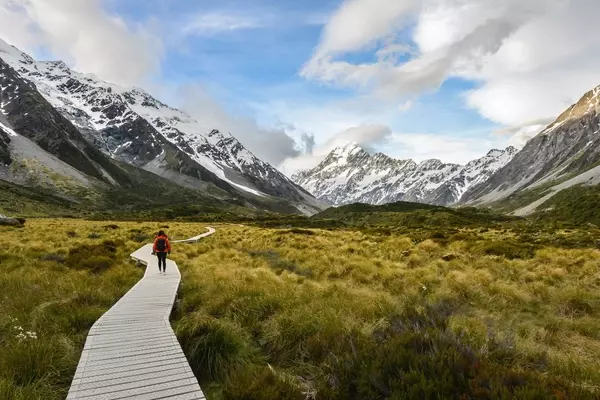
Above the treeline, the landscape dramatically shifts, revealing panoramic vistas of the Whitefish Mountains. These majestic peaks, valleys, and cirques, stretching northward into Canada and southward towards the town of Whitefish, bear the sculpted marks of colossal glaciers from millennia past.
The region is also a sanctuary for a wide array of wildlife, including grizzly bears, white-tailed deer, moose, pronghorn, cougars, lynx, and wolverines. Consequently, adherence to bear safety protocols, including the use of bear canisters, is paramount for all visitors. Beyond its name, the area boasts numerous alpine lakes, each nestled within a cirque and stocked with cutthroat, rainbow, and brook trout, adding to its natural allure.
The hike to the Stahl Peak fire lookout is a challenging nine-mile round trip, featuring a significant elevation gain of 2,440 feet. Starting the ascent in the rainforest, the trail gradually transitions to rocky talus slopes, offering increasingly expansive views. Due to the prevalence of afternoon thunderstorms, an early start is advisable to avoid adverse weather conditions.
On this particular day, a slight delay meant another group reached the 1926-built lookout just before the narrator. Although missing out on an overnight stay inside the quaint structure, which features a desk, large windows, a loft, and two sleeping platforms, the opportunity for conversation and enjoying the breathtaking western views was not lost. With the Canadian border less than ten miles to the north, the sense of being in a remote, wild landscape was palpable.
Embracing the area's dispersed camping allowance, a perfect spot was found to witness the protracted summer sunset, which lingered until after 10 p.m. Camp was set up with careful attention to bear safety, establishing separate zones for sleeping, food storage, and cooking. The long twilight provided an ideal backdrop for settling into the tent with books, marking a serene end to an adventurous day.
For those seeking to extend their exploration, the Ten Lakes Wilderness Area offers several connecting trails. The Pacific Northwest Trail (PNT) passes just west of Stahl Peak, leading north towards the Canadian border and eventually into Idaho and Washington. Access to the PNT is convenient from Stahl Peak, even forming part of the approach from some western trailheads.
Another option is the Big Therriault Lake to Therriault Pass Loop trail, a 4.9-mile path that begins on the PNT. This loop descends to Big Therriault Lake, circles its shores, and then ascends back to the PNT, offering an alternative starting point for reaching the fire lookout.
For a quieter experience, Little Therriault Lake can be accessed by continuing west on the PNT past the Big Therriault Lake turnoff. Both Big and Little Therriault Lakes provide established campgrounds equipped with potable water, vault toilets, and food storage boxes.
The optimal time to visit this area is during the summer months, from June to September. Winter brings heavy snowfall, with trails remaining covered until June, or even July in heavy snow years. June offers the earliest opportunity for hiking, with the possibility of encountering snow patches, as was the case during this trip. July and August bring warmer, more humid conditions with minimal snow, while September provides cooler temperatures, though with shorter daylight hours, concluding the spectacular, long sunsets of early summer.
This unplanned detour into the Ten Lakes Wilderness Study Area served as a powerful reminder that sometimes the most profound adventures emerge from unexpected changes in direction. The encounter with untamed beauty, the challenge of the hike, and the tranquility of dispersed camping, all far from the madding crowds, underlined the enduring value of seeking out nature's quieter corners. It highlighted the importance of adaptability in travel and the rewards of exploring areas less traversed. Such experiences not only offer a fresh perspective on familiar landscapes but also foster a deeper appreciation for the preservation of wild spaces and the simple, profound joy of connecting with the natural world.