Trending Searches
Innovative Cycling Technologies Expected to Dominate the 2026 Tour de France
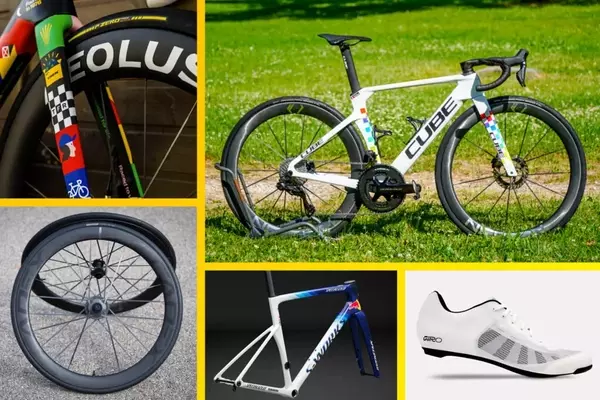
The upcoming 2026 Tour de France is poised to be a showcase of cycling innovation, where manufacturers, teams, and riders alike push the boundaries to gain a competitive edge. This year's edition promises to unveil a variety of cutting-edge technologies and strategic adaptations, particularly given the race's demanding mountainous terrain and anticipated warm weather conditions. From custom 3D-printed accessories to advancements in bicycle design and rider apparel, the focus is on optimizing every aspect of performance, comfort, and aerodynamics.
Anticipated Technological Shifts at the 2026 Tour de France
The Tour de France consistently serves as a fertile ground for the introduction of new cycling advancements. This year, expect to see an array of prototypes and refined gear making their debut. The Specialized S-Works Tarmac SL9 and the updated Orbea Orca Aero are already creating buzz, hinting at the high level of engineering present. Furthermore, customized team liveries, such as those for Tom Pidcock and Pinarello Q36.5, will be prominent, with special color schemes expected for leaders in various jersey categories, including the iconic Yellow Jersey.
A notable trend is the increasing use of 3D-printed components and accessories. These personalized solutions, originating from specialists like RaceWare, Neat, and Leap, are filling gaps where standard manufacturing falls short. Riders are benefiting from bespoke computer mounts, number plate holders, and chain keepers that enhance integration and aerodynamic efficiency. These intricate parts are expected to be particularly visible during the individual and team time trials (Stages 1 and 16), providing riders with tailored, high-performance equipment.
Another significant development is the growing prevalence of stem spacers. In a shift from the past preference for 'slammed' front ends, modern biomechanics and aerodynamic research advocate for higher stack heights. This adjustment not only boosts rider comfort but can also improve aerodynamics by allowing cyclists to maintain an optimal position for longer durations. Given the grueling nature of the Tour, enhanced comfort through strategic bike setup is critical for rider endurance and sustained performance during the latter, more challenging stages.
Regarding tires, while wider tires remain the norm, the 28mm size is still finding its niche. Although most of the peloton now opts for 30mm or even 32mm tires, offering a balance of aerodynamics, rolling efficiency, and grip at lower pressures, 28mm tires might see a resurgence on extremely steep mountain stages. The weight savings of up to 100g per pair can be a crucial factor in these demanding conditions, potentially offering a performance advantage where weight reduction is prioritized over aerodynamic gains.
The return of the dedicated climbing bike is also on the horizon. While recent years saw the dominance of lightweight aero bikes, the challenging profile of the 2026 Tour, with its numerous steep ascents and multiple passages of Alpe d'Huez, is making a strong case for purpose-built lightweight machines. Teams like Uno-X Mobility and Decathlon CMA CGM, previously using heavier aero models, are now likely to deploy lighter climbing bikes to maximize their riders' potential in the mountains.
Finally, expect innovations in vented aero helmets and rider apparel. With anticipated high temperatures, helmet manufacturers are focusing on designs that blend aerodynamic efficiency with superior ventilation. The Specialized Evade 4 and Met's Manta are prime examples, demonstrating how modern helmets can offer both speed and cooling. Similarly, developments in fabric technology are producing cooler, faster materials that protect riders from UV rays while maintaining aerodynamic benefits. Rider 'hacks,' such as Ben Healy's modified Rapha Pro Team TT Aero skinsuit, illustrate how subtle alterations to existing gear can yield significant performance and comfort improvements in real-world race scenarios.
As a keen observer of professional cycling, these technological evolutions highlight the relentless pursuit of marginal gains that defines the sport. It's fascinating to witness how scientific understanding of aerodynamics, biomechanics, and materials science directly translates into tangible advantages on the road. The emphasis on rider comfort, alongside outright speed, demonstrates a holistic approach to performance optimization. This blend of cutting-edge engineering and practical adaptation makes the Tour de France not just a test of athletic prowess but also a living laboratory for cycling's future. The ingenuity displayed by teams and manufacturers serves as a constant source of inspiration, pushing the boundaries of what's possible in competitive cycling.