Trending Searches
Lake CX239 Cycling Shoe Review: Comfort Meets Performance
In the realm of cycling footwear, the Lake CX239 emerges as a compelling option, masterfully blending ergonomic comfort with robust performance. This review delves into its design, practical application, and overall value, providing insights for discerning cyclists. Crafted for those who prioritize foot health and efficient power delivery, the CX239 stands out as a top contender, particularly for riders navigating various physical challenges, such as post-pregnancy foot pain. Its thoughtful construction, featuring a spacious toe box, supple upper, and firm heel, aims to prevent discomfort while ensuring stability during rigorous rides. Although it may carry a slight weight penalty compared to some ultra-light alternatives, the CX239's focus on an adaptable fit and long-term comfort often outweighs this minor drawback for many recreational and even competitive cyclists. Priced competitively within the performance shoe segment, it represents a sound investment for a balanced and pain-free riding experience.
Lake CX239: A Detailed Look at Design, Performance, and Value for Cyclists
Michelle Arthurs-Brennan, a seasoned cyclist and editor at Cycling Weekly, provided a comprehensive evaluation of the Lake CX239 cycling shoes, with her insights published on February 24, 2026. Her assessment highlighted the shoe's meticulous design, particularly its "CX/TX Competition Last," which offers a more generous toe box compared to Lake's 'Race' last. This feature proved especially beneficial for Michelle, who sought relief from Morton's neuroma, a condition exacerbated by narrow footwear, after the birth of her second child. The broader toe area allowed for essential toe movement, mitigating discomfort without compromising the secure fit needed for powerful pedaling. The integrated tongue design further enhances comfort by minimizing potential hotspots and chafing, while the choice of premium leather or Clarino Microfiber upper provides a soft, adaptive feel. The shoe's fiberglass-reinforced heel cup strikes a balance between the stiff carbon used in high-performance race shoes and a more standard design, offering firm support without excessive rigidity. Its full carbon outsole, equipped with Boa's Li2 dials for precise micro-adjustments, ensures efficient power transfer and a customizable fit. Michelle conducted extensive testing both indoors on virtual platforms like Zwift and outdoors, confirming the CX239's excellent breathability and consistent performance across diverse riding conditions. Despite a slightly higher weight (262g per shoe for size 39) compared to some competitors, the emphasis on fit and comfort was a decisive factor in its favor. Positioned at £300/$359.99, the CX239 aligns with market prices for high-performance cycling shoes, offering compelling value given its exceptional blend of comfort and functionality. Michelle Arthurs-Brennan's personal journey of overcoming foot pain underscored the practical benefits of the CX239, solidifying its reputation as a preferred choice for riders who demand both efficiency and lasting comfort.
This review of the Lake CX239 cycling shoes underscores a critical lesson for all cyclists: the paramount importance of fit and comfort, often outweighing marginal gains in weight or perceived aerodynamics. Michelle Arthurs-Brennan's personal experience with foot pain, exacerbated by ill-fitting footwear, serves as a powerful testament to this. It reminds us that cycling is not merely about raw speed or cutting-edge technology, but also about the symbiotic relationship between rider and equipment, where optimal comfort directly translates to sustained performance and, crucially, injury prevention. The CX239's design philosophy, prioritizing a generous toe box and supple materials, resonates deeply with the understanding that a cyclist's feet are the primary conduit for power transfer. This article encourages riders to consider a holistic approach to gear selection, advocating for professional fittings and specialized solutions like custom insoles. Ultimately, it highlights that the "best" equipment is not necessarily the lightest or most expensive, but rather that which seamlessly integrates with the individual's physiology, allowing them to ride further, faster, and most importantly, without discomfort.
Related Articles

Irish Road Safety Authority's High-Visibility Campaign for Cyclists Draws Criticism
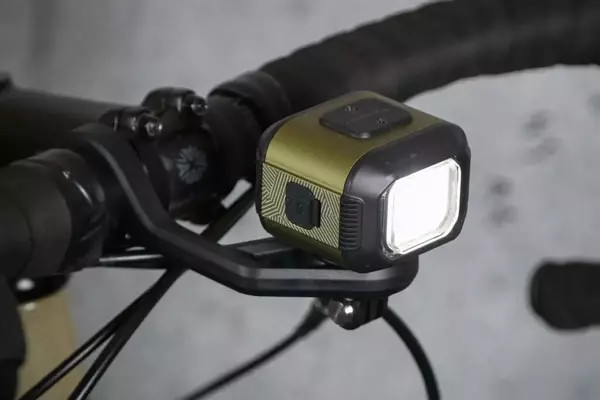
Moon Titan Max 1700 Bike Light Review: A Comprehensive Look at Performance and Features