Trending Searches
Lake Erie's Walleye Population Thrives with Exceptional Hatch
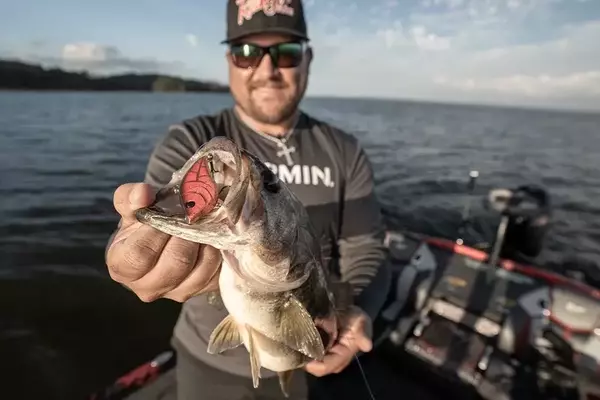
Lake Erie, renowned for its abundant walleye population, is celebrating another exceptional year for its fish stock. Recent assessments by the Ohio Department of Natural Resources reveal a robust walleye hatch, signaling a flourishing future for fishing enthusiasts. This year's spawn stands out as one of the most successful in nearly four decades, ensuring a continuous supply of healthy walleye for years to come.
Lake Erie's Bountiful Walleye Hatch: A Detailed Report
For numerous years, Lake Erie has maintained its esteemed status as a prime location for walleye fishing. This enduring popularity is further bolstered by the latest findings from the Ohio trawl survey, which meticulously monitors juvenile fish. The survey's results unequivocally indicate that walleye fishing in Lake Erie is set to remain outstanding, a testament to the lake's ecological vitality.
Travis Hartman, the Ohio Lake Erie Fisheries Administrator, shared enthusiastic insights with Wired2fish, highlighting the consistent improvement in Erie's spring walleye hatches. He noted that eight out of the past eleven years have witnessed remarkable walleye spawns. Each year, there's a noticeable increase in both the quantity and size of the fish, underscoring the lake's exceptional breeding conditions.
The Ohio trawl survey specifically targets walleye fingerlings, which are small fish typically three to four inches in length. This annual survey, conducted in August, provides critical data on the success of the spring spawn, which occurs in March and April. These fingerlings, once hatched, generally take about two years to mature into catchable fifteen-inch walleye.
Hartman, a seasoned veteran with twenty-two years of experience at the Ohio DNR, proudly stated that this year's hatch ranks as the sixth-largest in the thirty-eight-year history of the trawl survey. He attributes this success to the lake's superior food chain, which provides a rich source of zooplankton for walleye larvae and fry. As these young fish grow, they benefit from Erie's diverse forage base, comprising emerald shiners, rainbow smelt, and gizzard shad. This abundant food supply ensures rapid growth, leading to the presence of many heavy walleye in the lake today. The lake's excellent condition, characterized by plentiful forage and high water quality, plays a pivotal role in supporting this vibrant ecosystem.
The most recent trawl survey conducted in the western Ohio basin of Lake Erie recorded an impressive 128 walleye fingerlings per 2.5 acres of water. This figure is more than double the average of 57 fish typically observed in previous surveys. Historically, the western basin has been the most prolific area for walleye spawning. While fish tend to disperse towards the central basin throughout the year, Hartman observed an encouraging trend: spawning activity in other regions of Erie has also improved, with the central basin now significantly contributing to robust fish reproduction.
Beyond walleye, the latest trawl survey also indicated a strong hatch of yellow perch, foreshadowing excellent perch fishing opportunities in Lake Erie's future. Hartman emphasized that Lake Erie is currently in an optimal state, boasting an abundance of walleye and a rich food chain to sustain them. This positive trend extends across the entire fishery, with walleye stocks showing consistent growth throughout the lake. He concluded by reiterating that this is a golden era for walleye in Lake Erie, a period that truly solidifies its well-deserved title as the 'Walleye Fishing Capital of the World'.
The thriving walleye population in Lake Erie serves as a powerful reminder of the delicate balance within aquatic ecosystems and the positive impact of dedicated conservation efforts. This remarkable success story underscores the importance of continued environmental stewardship and scientific monitoring to ensure the longevity of our natural resources. It inspires a renewed appreciation for the intricate web of life that sustains such vibrant fisheries and encourages responsible angling practices for future generations.