Trending Searches
Marathon vs. Century Ride: The Ultimate Endurance Challenge Debate
For many athletes, both running a marathon and completing a 100-mile cycling event represent significant milestones in their respective disciplines. While both demand immense dedication and endurance, they present distinct challenges. Having personally experienced the highs and lows of numerous marathons and even more century rides, the question of which is truly more difficult often arises. This discussion explores the contrasting demands of each pursuit, examining factors such as the time commitment, the rigors of preparation, the importance of diet, and the necessary gear, to determine which of these iconic endurance events poses the greater test.
Dissecting the Demands: Marathon vs. Century Ride
In the realm of endurance sports, the marathon and the 100-mile cycle ride stand as towering achievements. A seasoned athlete often finds themselves pondering the comparative difficulty of these two endeavors. Let's break down the core components that differentiate these challenges.
First, consider the sheer **duration**. A 100-mile bike ride, even for a proficient cyclist maintaining a consistent pace in zone two, typically extends over seven hours or more. This prolonged period demands sustained effort and resilience, as strength and endurance coach Ed Norman from Calibre Athlete highlights. He emphasizes that the body must maintain an efficient position for an extended time. In contrast, the average marathon completion time for both genders hovers around 4 hours and 30 minutes. While shorter, the intensity of running means every minute counts, offering minimal respite. Norman notes that cycling allows for brief breaks, such as coasting downhill, where the bike handles the work, unlike running where descents still impose significant impact on the body and offer minimal energy return from surfaces.
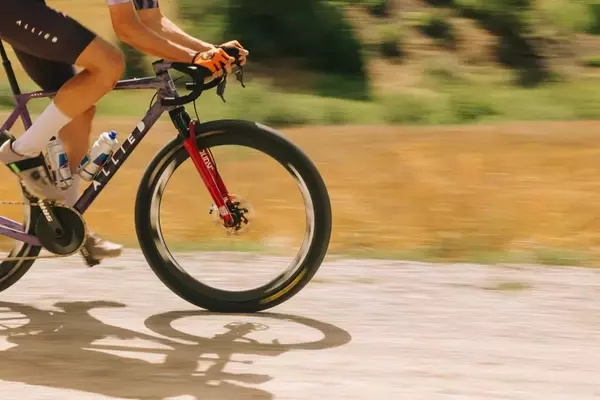
Next, let's look at the **training regimens**. Preparing for a century ride is largely about accumulating time in the saddle, conditioning the body to spend long hours on the bicycle. Norman advises building up to approximately two-thirds of the target distance and focusing on maintaining a specific, efficient position to prevent injury and enhance performance. For a regular cyclist covering 20-30 miles, a six-week lead-in period is often sufficient for the necessary muscular and cardiovascular adaptations. Marathon training, however, places a greater strain on the musculoskeletal system, necessitating a more gradual and meticulous approach. Norman stresses the importance of a progressive plan, with a base-building period of four to six months before intensifying marathon-specific training. The repetitive impact forces of running require careful adaptation of muscles, tendons, and bones, making the preparation inherently more complex and less forgiving of rushed schedules.
Then there's **nutrition**. The extended duration of a century ride makes it a prime candidate for the dreaded 'bonk,' a state of glycogen depletion. Maintaining a consistent intake of carbohydrates (around 90g per hour for efforts exceeding 90 minutes) is crucial, yet challenging. The risk of gastrointestinal distress and 'flavor fatigue'—where the thought of more sugary fuel becomes unappetizing—increases significantly over seven or more hours. A 75kg cyclist can burn up to 6,000 calories during a moderately brisk, undulating century, underscoring the critical role of a well-practiced nutrition strategy. Marathons, being shorter, present fewer nutritional hurdles. While fueling is still vital (roughly 1 kcal per kg per km), flavor fatigue and GI issues are less common within the typical 3-5 hour timeframe.
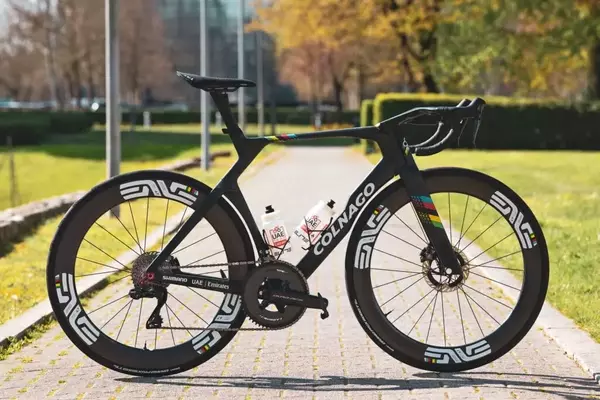
Finally, the **equipment** factor distinguishes the two. For a century ride, the list is extensive and costly: a bicycle, specialized shoes, bib shorts, helmet, glasses, lights, pump, spare tubes, tools, and a GPS unit for navigation. A complete entry-level setup can easily exceed £2,000, and meticulous pre-ride checks are essential. Running, by contrast, requires minimal gear: trainers, a sweat-wicking shirt, and comfortable shorts are primary. While high-end running shoes can be pricey, the overall investment is significantly lower, and preparation involves simply putting on your attire and heading out. The logistical simplicity of running compared to the intricate planning and potential mechanical issues of cycling is striking.
In conclusion, while both a marathon and a century ride demand unwavering commitment and consistent training, they challenge the human body and mind in fundamentally different ways. From a logistical perspective, the marathon appears less complicated, requiring only minimal gear and a straightforward approach: simply run. However, it's in the physiological impact and the intensity of training that the marathon truly asserts its demanding nature. The relentless pounding on joints, tendons, and bones mandates a meticulously structured and lengthy preparation period, with severe consequences for any rushed attempts. Coach Norman's insights underscore that despite its shorter duration, the marathon imposes greater musculoskeletal stress, necessitating more careful and extended conditioning.
Conversely, cycling, particularly a 100-mile ride, demands sustained endurance and positional efficiency over a much longer period. The challenge lies in maintaining comfort, managing nutrition to avoid 'bonking,' and dealing with potential mechanical issues far from home. While the impact on joints is considerably less than running, the body's entire system—including glutes, quadriceps, and core—must be conditioned to endure hours in the saddle. The significant financial investment in equipment and the logistical complexities of planning and executing a long ride add another layer of difficulty.
Ultimately, determining which is 'harder' is subjective. Objectively, the marathon likely edges out the century ride due to its higher exertion rates and the profound musculoskeletal adaptations required during training. However, the sheer duration and diverse challenges of a century ride—from meticulous fueling to potential equipment failures—present a unique mental and physical grind. As an individual who has tackled both, the memory of battling through the final hours of a cycling event, when every muscle aches and the finish line seems perpetually distant, often leans the subjective scale towards the century ride. Both are commendable feats, but their difficulty is measured by different yardsticks of human resilience.