Trending Searches
Mastering the Art of Walking: Diverse Techniques for Enhanced Fitness
In recent times, walking has garnered significant attention from health researchers globally, evolving beyond a mere mode of transport into a sophisticated area of study. From establishing optimal daily step counts, with 7,000 steps now considered a benchmark for good health, to scrutinizing the most effective paces, scientific inquiry continually underscores the broad spectrum of health benefits derived from increased ambulation. This comprehensive exploration delves into various walking styles, guided by expert insights, to maximize their fitness potential.
Power walking elevates the intensity of a brisk stroll, characterized by a swift pace typically ranging between 4 and 5.5 miles per hour. As explained by Andrew Isaac, a wellness coach at Vitality Health, this technique requires one foot to always remain on the ground, with each step employing a heel-to-toe motion to maintain a distinct walk rather than transitioning into a jog. Beyond speed, dynamic arm movements are crucial for augmenting its health advantages.
Engaging in regular power walking markedly increases heart rate and improves circulation, thereby diminishing the risk of heart disease by enhancing beneficial cholesterol (HDL) and reducing detrimental cholesterol (LDL) through an accelerated metabolism that supports weight management. Furthermore, as a weight-bearing activity, power walking plays a vital role in preserving bone density, particularly as individuals age or experience menopause. It has also been shown to alleviate arthritis discomfort and foster stronger muscles, tendons, and ligaments. Even brief periods of power walking throughout the day can stimulate metabolism, boost blood flow, and sharpen mental clarity.
Nordic walking offers another method to intensify your walking regimen. Originating in Finland during the mid-90s as a summer training program for cross-country skiers, Nordic walking provides a comprehensive body workout by utilizing two poles to engage the upper body. Isaac notes that the rhythmic coordination with the poles allows for greater energy expenditure, burning approximately 20% more calories than walking without them. The poles not only promote better posture by encouraging an upright stance but also enhance balance, assist in injury rehabilitation, ease joint pain, and facilitate navigation on inclines.
Numerous studies affirm the superiority of Nordic walking over conventional walking. For instance, a 2013 publication highlighted its benefits in improving upper-body strength, cardiovascular endurance, and flexibility. Additionally, a 2019 study underscored Nordic walking’s enhanced fat-burning capabilities compared to regular walking. Another advanced walking technique involves adding external resistance, often through ankle weights, wrist weights, or weighted vests, with the latter commonly referred to as “rucking.”
According to fitness and yoga instructor Eloise Skinner, weighted walking presents a more significant physical challenge, compelling muscles to exert greater effort, thereby building strength and muscular endurance. She advises adopting this method once comfortable with a standard walking routine and on familiar routes, emphasizing the importance of proper posture and alignment to prevent injuries. Starting with lighter weights and gradually increasing resistance is recommended, with adjustable vests readily available.
Changing direction during walking also offers substantial benefits. Backward walking, or “retro-walking” in academic contexts, is celebrated for its wide-ranging health advantages, impacting both physical and cognitive functions. Skinner explains that backward walking can enhance hamstring flexibility, strengthen lower back muscles, mitigate the risk of knee injuries by reducing joint pressure, and fortify ankles due to increased challenge. Research, such as a Dutch study involving participants stepping backward, forward, and sideways, indicates that backward walkers exhibit the quickest reaction times.
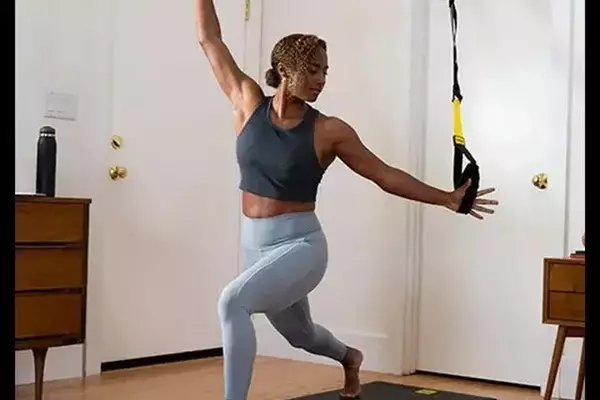
For safe practice, Skinner recommends performing backward walking in secure, unobstructed environments, advising familiar routes and a controlled pace. This technique is particularly beneficial for individuals who find conventional walking taxing on their knees. Integrating yoga and mindfulness into walking, termed walking yoga, combines movement with breath and conscious awareness. Skinner describes this as an intentional walk focused on the present moment, incorporating occasional pauses for simple yoga stretches or basic breathing exercises.
To fully experience walking yoga, selecting a comfortable and known path is key, along with complete immersion in the experience, free from distractions like headphones or music. Hiking, including urban hiking, provides further avenues for enhancing fitness. Carla Khouri, hiking lead at Merrell Hiking Club, dispels the notion that hiking is exclusive to mountainous regions, asserting its accessibility as a low-impact exercise with profound physical and mental health benefits.
Hiking improves cardiovascular fitness and, as a weight-bearing activity, bolsters bone health and density, crucial for preventing osteoporosis. Navigating varied terrains also hones balance and coordination, contributing to longevity and reducing fall risks in later life. Urban hiking, as Khouri elaborates, involves purposefully exploring cityscapes, incorporating parks, green spaces, and historical landmarks. Its appeal lies in its simplicity, requiring minimal gear beyond comfortable walking shoes or trainers for extended distances.
While online maps and apps are useful, joining a hiking club can uncover unexplored urban areas and foster social connections, enriching one's social well-being. Even indoor walking offers robust fitness benefits, particularly on a treadmill. This versatile gym equipment allows for adjustable speeds, goal setting, and customizable workouts with varying speeds, inclines, and durations. Popular routines like the 12-3-30 workout and specific 30-minute walking sessions exemplify the treadmill's utility, dispelling the idea that it's solely for running or high-intensity interval training.
The Japanese Interval Walking Technique, also known as “Intermittent Walking” or “Interval Walking Training,” has recently gained prominence online. Developed by Japanese researchers, this method is supported by a 2007 study comparing interval walking with moderate-intensity continuous walking and no walking. The interval walking group demonstrated significant improvements in aerobic capacity, muscular strength, and reductions in resting systolic blood pressure. The regimen involves alternating three minutes of brisk walking (70-85% of maximum heart rate) with three minutes of leisurely walking (40-50% of maximum heart rate), repeated five times for a total of 30 minutes. This technique is a low-impact yet high-intensity approach, underscoring that interval training is not confined to running and that walking is a potent tool for achieving fitness objectives.