Trending Searches
Mastering the Art of 'Worming' Crankbaits for Bass Fishing
In the dynamic world of contemporary bass angling, a unique strategy known as "worming a crankbait" is gaining recognition. This method ingeniously adapts the slow, precise movement of a Texas-rigged worm to crankbaits, enabling anglers to meticulously guide these aggressive lures through complex underwater structures such as submerged trees and brush piles. The technique proves especially effective in colder water conditions, enticing wary bass that typically lurk deep within cover. Mastering this approach involves understanding how to manipulate your bait through obstacles, maintaining a delicate balance between aggression and control, and equipping yourself with the right fishing tackle.
The fundamental principle behind worming a crankbait is to navigate a squarebill or shallow-diving crankbait intimately through dense woody environments. Imagine carefully guiding a soft plastic worm into every nook and cranny; this technique aims to achieve the same proximity with a crankbait. When casting towards a submerged tree, for instance, position your lure near the trunk. Utilize your rod tip to maintain its path along the tree's contours. As you encounter branches, subtle rod movements will help steer the crankbait through the entanglement, ensuring it stays as close as possible to the structure. This close-quarters presentation is crucial, mirroring the natural behavior of bass that often hug cover tightly, as observed in controlled environments like large aquariums.
Embracing this method means accepting the occasional snag. Veteran anglers often advise not to shy away from getting your lure caught, as it indicates you are fishing precisely where the bass reside. While retrieving a snagged crankbait can be time-consuming, patience is key. The goal is to make such close contact that you might metaphorically 'scrape the bark off' the tree. This bold approach, though challenging, ultimately positions your lure in the prime strike zone.
A critical aspect of successful crankbait worming is a slow, deliberate retrieval. This not only minimizes snags but is also highly effective in chilly waters where bass are less active. When your lure contacts an obstruction, resist the urge to jerk your rod. Instead, allow the crankbait's bill to perform its intended function: deflecting off the cover. By maintaining light pressure, the bait should roll smoothly over obstacles. A brief pause can also allow a floating crankbait to rise above a snag, freeing it naturally. This nuanced control is developed through practice, fostering an intuitive 'feel' for the lure's interaction with its environment.
Hook-setting requires a refined touch. It's natural to react instantly to any sensation, but distinguishing a bite from a bump against cover is essential. Grant yourself a moment before responding forcefully. A genuine bite typically results in immediate tension as the fish pulls back. When this occurs, a gradual, steady pulling motion is more effective than an abrupt, hard hookset. A forceful jolt can startle the bass, causing it to burrow deeper into cover. A gentle, continuous pull can often coax a fish out of its hiding spot without alarming it, leading to a smoother retrieval and a more memorable catch.
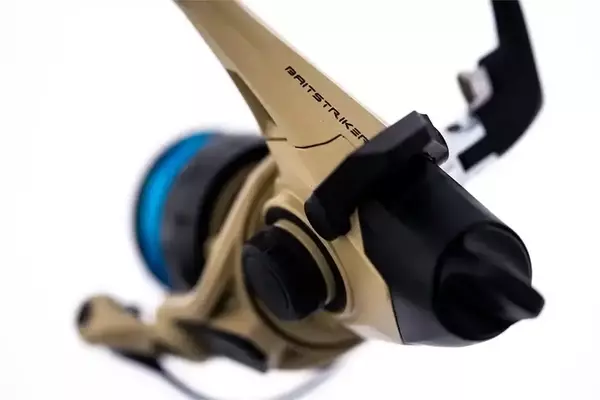
Optimizing your equipment for this technique is also vital. A 7-foot medium-heavy fast-action casting rod is generally preferred over a more flexible crankbait-specific rod, offering the necessary backbone to extricate fish from heavy cover. Similarly, stronger fishing line is recommended. While 15-pound test line might suffice in clear, high-pressure conditions, a 17-pound test fluorocarbon line, like Seaguar InvizX, offers an ideal balance of strength and flexibility for most scenarios. For extremely muddy water or areas known for exceptionally large bass, even a 20-pound test line could be considered, though the slight stretch of 17-pound test is often advantageous.
This innovative crankbait technique transforms bass fishing into an exhilarating experience, demanding constant attention and quick decision-making. The frequent contact with submerged structures keeps anglers alert, constantly evaluating whether they've encountered a bass or just another obstacle. While challenges like snags and difficult extractions are part of the game, the reward of landing a powerful bass that strikes deep within its cover makes every effort worthwhile. These intense encounters often create the most lasting memories for an angler, highlighting the unique thrill of this strategic fishing method.