Trending Searches
Mastering Crappie Angling in the Cold Season
Unlock the Secrets to Winter Crappie Success: Adapt Your Approach for Abundant Catches!
Adapting to Louisiana's Winter Crappie Patterns
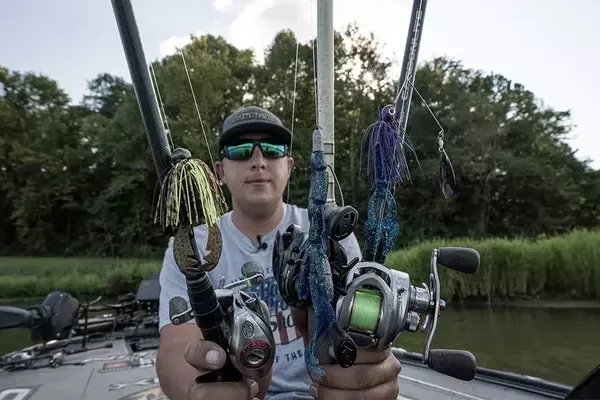
In the southeastern Louisiana region, the shift from autumn to winter heralds a change in crappie behavior. As December approaches, anglers abandon shallow waters, following the crappie to deeper river sections, typically 20 to 25 feet. This period also often brings larger fish, with catches growing from 9-10 inches to over 15 inches. A favored lure for this cooler season is a small artificial shad in a dark hue, paired with a lightweight jighead. While this setup proves effective locally, the article emphasizes that successful winter crappie fishing varies significantly by region.
Missouri's Diverse Crappie Tactics in Freezing Conditions
For central Missouri's Lake of the Ozarks, winter crappie strategies depend heavily on weather and water clarity. In murky areas, where visibility is limited, anglers focus on underwater structures in depths of 10 feet or more. Crappie may suspend above these structures on overcast days but retreat into them when the sun is bright or after a cold front. In clearer parts of the lake, the focus shifts to brush piles in deeper waters (15+ feet), bluff drop-offs, and main-lake docks. Shaded areas beneath docks are productive on sunny days, while cloudy conditions find fish congregating outside the dock floats. A popular choice here is a miniature shad lure on a slightly heavier jighead, with color selection (dark for cloudy, bright for sunny) being crucial.
Conquering Northern Minnesota's Icy Crappie Challenges
Northern Minnesota presents some of the most extreme winter fishing conditions. As small lakes and backwaters freeze, the crappie fishing strategy undergoes a complete transformation from open-water techniques. During summer, a simple white curly-tail grub on a white jig head suffices. However, once ice forms, anglers switch to a tungsten jighead, often tipped with a crappie minnow, for better weight and a natural presentation. The glow tip on the jig is vital for attracting fish under the ice. Initially, fishing occurs near summer weedbeds, but as winter progresses, anglers move to deeper holes, returning to shallower areas as spring melt begins.
Western Washington's Relaxed Yet Effective Winter Crappie Pursuits
In western Washington, winter provides a unique opportunity for crappie fishing on smaller lakes. Many anglers, finding other fishing seasons winding down, dedicate their efforts to crappie during these colder months. The approach is often straightforward: darker lures and smaller baits in clear water, and slightly larger, brighter lures in murky conditions. This strategy mirrors techniques used for steelhead fishing. Local knowledge and instinct often guide anglers, who prefer moving to find fish rather than relying on advanced electronics. Winter catches typically range from 11 to 13 inches, with occasional larger specimens.
Embracing the Excitement of Cold Weather Crappie Angling
While winter weather might deter some, it opens a significant window for crappie enthusiasts who are willing to adapt. Across various U.S. regions, crappie often gather in predictable locations, making them responsive targets for informed anglers. Success hinges on observing water conditions, fish depth, water clarity, and recent weather changes, then adjusting tactics and presentations accordingly. Embracing a flexible mindset and tailored techniques during this season can transform what might seem like a challenging outing into an exceptionally rewarding fishing experience.