Trending Searches
Mastering Glute Strength: A Comprehensive Guide to the 16 Best Exercises
Discover the immense benefits of cultivating robust gluteal muscles, the body's largest and most powerful muscle group. Beyond mere aesthetics, strong glutes are indispensable for optimal mobility, seamless everyday functioning, and significantly mitigating the risk of age-related injuries. This comprehensive guide, informed by leading fitness professionals, delves into 16 highly effective exercises designed to sculpt, strengthen, and empower your glutes.
Boost Your Glute Power: A Guide to the 16 Most Effective Exercises
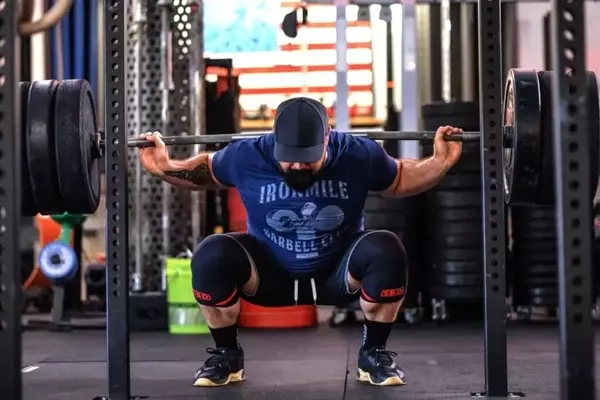
Leigh Taylor Weissman, a distinguished personal trainer and the visionary behind the Leigh Taylor Method, emphasizes the pivotal role of gluteal strength. She states that robust glutes are fundamental for stabilizing the hips and providing crucial support to the lower back, thereby promoting enhanced movement and ensuring a pain-free existence. Echoing this sentiment, Kehinde Anjorin, a certified functional strength coach, personal trainer, and founder of PowerInMovement, highlights that strong glutes are not only integral for daily activities such as standing, walking, and ascending stairs, but also act as the primary hip extensors, contributing significantly to hip and lower back stability. Furthermore, in an era where many individuals spend prolonged periods seated, strengthening the glutes becomes even more vital. Weissman explains that engaging these muscles can counteract the detrimental effects of extended sitting, helping to realign the body from a flexed posture and rectify imbalances. For those aspiring to enhance glute size, Weissman pinpoints three indispensable movements: hip thrusts, Romanian deadlifts, and squats. These exercises are particularly potent as they allow for substantial weight loading, a critical factor in fostering muscle hypertrophy. The hip thrust excels at targeting the glutes in their contracted state, while Romanian deadlifts effectively engage the lower gluteal region during the stretched phase. Squats, as a versatile compound lift, powerfully activate the lower gluteus maximus, especially at the deeper range of motion. To maximize results, progressive overload is key, achieved by increasing weight, volume, or time under tension. Additionally, a goal-oriented diet, rich in pre-workout carbohydrates and post-lift protein, is essential to fuel muscle growth and recovery. The gluteal complex comprises three distinct muscles: the gluteus maximus, the largest muscle responsible for the buttocks' shape and lower-body power; the gluteus medius, crucial for pelvic stability and hip movement; and the gluteus minimus, the smallest, which contributes to hip extension, internal rotation, and abduction. Incorporating a diverse range of exercises is paramount to target all angles of these muscles, fostering well-rounded development and superior functional strength.
This detailed exploration into gluteal strength provides a profound understanding of its importance beyond aesthetic appeal. It underscores that prioritizing glute development is an investment in long-term physical well-being, injury prevention, and enhanced functional capacity. By embracing a structured approach to training and nutrition, individuals can unlock their full potential, ensuring a stronger, more stable, and more dynamic body.