Trending Searches
Mastering Seasonal Cycling Attire: A UCI Rider's Guide to All-Weather Comfort
Embracing the shift in seasons, from the crispness of autumn to the chill of winter, presents unique challenges for cyclists when selecting appropriate attire. The variability in temperatures and the increased likelihood of rain demand a thoughtful approach to layering and material choice. This comprehensive guide, informed by years of high-level competitive cycling experience, offers invaluable insights into optimizing your wardrobe to ensure no ride is missed due to inclement weather.
A Cyclist's Handbook for All Seasons: Key Insights for Weather-Resistant Riding
For those who refuse to let the elements dictate their riding schedule, understanding how to dress effectively is paramount. Andy Turner, a former UCI and BC Elite rider with three years of professional experience and seven as an elite competitor, shares his expert strategies for tackling diverse weather conditions. His advice emphasizes a modular approach to cycling apparel, starting with foundational garments and progressively adding layers and specialized items as temperatures drop and precipitation increases.
The Cornerstone of Comfort: Basic Cycling Apparel
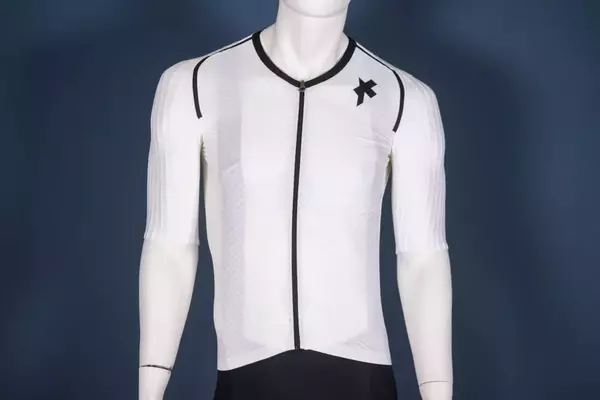
Every cyclist's wardrobe begins with a high-quality cycling jersey and premium bib shorts, suitable for temperatures above 16°C (60°F). As mercury levels descend, supplementary items become crucial. Arm and leg warmers offer versatile protection, easily stowed if the day warms up. A mesh base layer serves as an excellent thermal regulator, trapping air for insulation in cooler conditions while also promoting breathability when it's milder.
Conquering the Rain: Essential Wet-Weather Gear
Autumn's frequent showers necessitate a reliable packable waterproof jacket. The primary goal is to prevent body heat loss, which is accelerated by rain and wind. While a long-sleeved showerproof jacket can reduce this cooling effect, breathability can be a concern. Here, a well-designed cycling vest, or gilet, proves invaluable, keeping the core warm while allowing for better ventilation. When embarking on a ride in persistent rain, a hardshell waterproof jacket with a water column rating of at least 10,000mm is recommended. Look for features like two-way zippers or breathable underarm panels to manage moisture and prevent the 'boil in the bag' sensation. Waterproof overshoes and gloves are also critical for protecting extremities and maintaining comfort.
Adapting to Cooler Climates: Below 15°C (60°F)
As temperatures consistently fall below 15°C, the transition from short to long sleeves and full-length tights becomes standard. Thicker base layers are introduced when temperatures dip below 10°C (50°F). A long-sleeved jersey or jacket with a Durable Water Repellent (DWR) coating offers enhanced flexibility and weather resistance. The combination of a two-way zipper and strategic breathable zones can significantly extend the garment's functional temperature range.
Braving the Winter Elements: Harsh Conditions
For the most severe conditions, characterized by freezing temperatures, biting winds, and cold rain, robust insulation is non-negotiable. Fleece-lined jackets and heavy-duty winter bib tights are essential for retaining core body heat. Cyclists may even double up on leg warmers under tights for added warmth. Accessories like balaclavas or snoods protect the neck and airways, reducing the risk of respiratory issues. Gloves should be heavily insulated and waterproof, with enough space to allow for an insulating air layer between the fingers and the fabric, crucial for preventing cold hands. Interestingly, thermal socks are often counterproductive; rugged, waterproof overshoes are a better investment for keeping feet warm and dry.
This detailed approach to seasonal cycling attire, championed by a seasoned rider, underscores the importance of thoughtful preparation and adaptable gear choices. By prioritizing layering, selecting appropriate materials, and investing in key accessories, cyclists can confidently face the challenges of varying weather, ensuring their passion for riding remains uninterrupted throughout the year.
As a devoted follower of cycling, I've always admired the resilience of athletes who train and compete regardless of weather conditions. This guide from Andy Turner not only demystifies the complexities of seasonal cycling apparel but also empowers everyday riders to emulate that dedication. His practical advice, especially on layering and the strategic use of items like arm warmers and waterproof gilets, highlights that comfort and performance in adverse weather are not about having an endless wardrobe, but about making intelligent choices. The emphasis on breathable yet protective gear, along with the detailed breakdown for different temperature ranges, provides a clear roadmap for anyone looking to extend their cycling season. It’s a testament to the idea that with the right preparation, every day can be a riding day, turning potential discomfort into an invigorating challenge.