Trending Searches
Mastering Summer Peak Fishing Hours
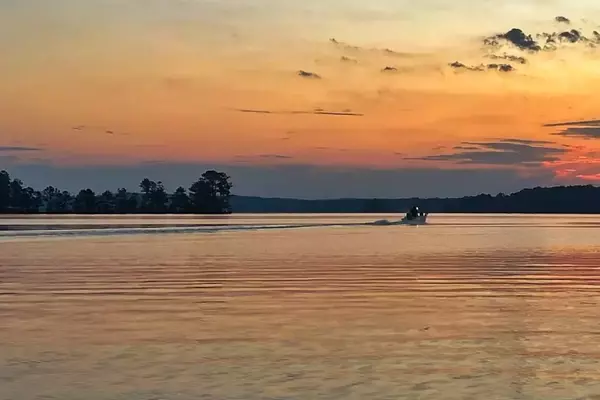
In the quiet moments just before sunrise, a lake can appear deceptively calm, hinting at the vibrant activity soon to unfold beneath its surface. This serene setting often precedes a spectacular display of nature's dynamism, especially during the summer months. Anglers eagerly anticipate these transient periods when various gamefish, including largemouth bass, stripers, and wipers, engage in energetic feeding frenzies, colloquially known as "jumps." These events, primarily occurring at dawn and dusk, transform tranquil waters into bustling hunting grounds, offering some of the most exhilarating fishing experiences of the season. Understanding and capitalizing on these precise windows of opportunity is key to successful summer angling.
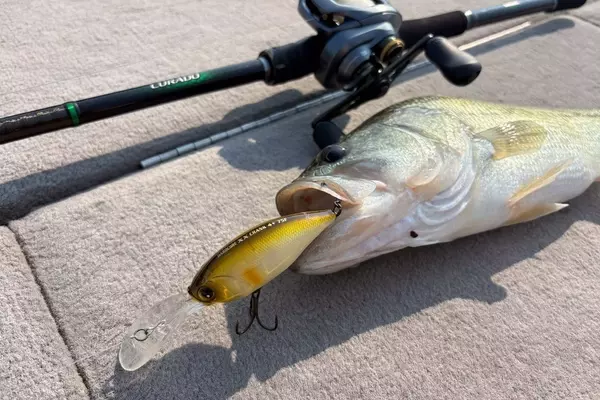
The morning twilight brought a transformation to the water. What started as a smooth, reflective surface quickly became a scene of intense action. Large gamefish aggressively attacked schools of shad, forcing them to the surface in a desperate bid for survival. The water's agitation was visible, with fish backs breaking the surface as they pursued their prey. My companion and I quickly cast our lures into this tumultuous zone, and the response was immediate. We successfully reeled in several vigorous bass before the activity subsided as quickly as it began. This brief, exhilarating period underscored the importance of readiness and quick action when fish are actively feeding. Such moments are fleeting, often lasting only about ten minutes, but they yield memorable catches. Throughout the morning, similar feeding episodes were observed across the lake, reinforcing the strategy of locating and moving to these active zones efficiently. However, as the sun climbed higher and temperatures soared, the fish retreated to deeper, cooler waters, signaling the end of this productive morning session.
For those aiming to experience these dynamic fishing events, an early start is crucial. Setting an alarm to be on the water before the sun rises significantly increases the chances of encountering the "jumps." Gamefish tend to congregate and push baitfish to the surface during the initial 90 minutes of daylight in hot, humid conditions. Overcast skies can sometimes extend this active period, while sunny evenings might also offer similar opportunities. The unpredictability of where and when these feeding frenzies will occur adds to the challenge and excitement. Anglers must often patrol open waters, patiently waiting for signs of activity, as specific hotspots can vary daily. Success often hinges on being in the right place at the right time, allowing for quick casts to capitalize on the short-lived feeding window.
Selecting the appropriate lure is paramount for enticing these actively feeding fish. Baits that mimic shad, the primary prey during these events, are highly effective. While a variety of lures can be successful, including topwater baits, spinnerbaits, crankbaits, and jigging spoons, the choice often depends on the fish's specific preferences on any given day. Sometimes, fish are not particular, striking at almost anything. Other times, they exhibit a precise preference for lures that match the size and appearance of the baitfish they are targeting. For instance, the aggressive strike of a wiper, a hybrid species, on a topwater lure during a pack feeding scenario is an unforgettable experience. These fish hit with such force that lures can be sent airborne, only to be seized again by another eager fish. After the initial surface activity subsides, casting a jigging spoon into the area can often yield further success, as larger fish may linger below, feeding on scattered remnants. It's essential to fish above the thermocline, the layer where oxygenated water meets oxygen-depleted depths, to target actively feeding fish.
These intense surface feeding events typically span the peak of summer and extend into early autumn. Keen observation, possibly aided by binoculars, can help spot distant fish activity or even diving gulls, which often indicate feeding fish below. Therefore, embracing the early morning start and preparing for some fast-paced action can lead to some of the most rewarding and thrilling fishing adventures of the summer.