Trending Searches
Metropolitan Police Disbands Cycling Safety Units: A Reassessment of Road Safety in London
The Metropolitan Police's recent decision to dissolve its specialized cycling and motorbike safety units has ignited a fervent discussion among the public and transport experts. Initially, this move might seem perplexing, especially considering ongoing concerns about cyclist safety in the bustling capital. However, a closer examination of the data and the evolution of urban planning in London reveals a more nuanced picture, suggesting that the disbandment may not be as detrimental as it first appears, but rather a reflection of significant advancements in cycling infrastructure.
London's Evolving Cycling Safety Landscape: A Deeper Dive
Last week, the Metropolitan Police announced the disbandment of its dedicated cycling and motorbike safety units, a decision that immediately raised alarm bells regarding the safety of vulnerable road users in London. Critics were quick to point to the number of serious injuries and fatalities involving cyclists, viewing this change as a regression. Indeed, superficial statistics indicate thousands of cyclists are still injured annually, with a daily average of more than two individuals sustaining serious harm. This figure, often highlighted by media, tends to paint a grim, alarming picture.
However, George Hill, an insightful observer and contributor, urges a more thorough analysis. While the total number of injuries might seem high, a deeper look reveals that fatalities among cyclists have actually decreased by 50% since 2014, and the probability of a cyclist sustaining an injury has dropped by 23% over the same period. In recent years, the number of cyclist deaths on London's roads has consistently remained in single digits. When juxtaposed against an estimated 550 million cycling journeys annually, the fatality rate is remarkably low, at approximately 0.0000016%.
Hill emphasizes that the rise in overall cyclist injuries does not necessarily indicate a failure in safety measures that police units could address. Many injuries, he argues, stem from cyclists' own inexperience or poor riding habits, rather than external factors requiring law enforcement intervention. He recounts a personal experience where a novice cyclist caused his own injury. With the proliferation of bike-sharing schemes like Lime and Santander Cycles, more inexperienced riders are now on the roads, often on heavier, harder-to-control bicycles, increasing the likelihood of self-inflicted accidents.
The pivotal question, Hill posits, is whether the continued operation of specialist police units would meaningfully impact these particular injury statistics. He firmly believes it would not. Instead, he credits the substantial improvements in cycle safety to London's significant investment in cycling infrastructure. Having experienced London's cycling routes before and after these infrastructure upgrades, Hill notes a dramatic transformation. What was once a perilous stretch like Blackfriars Road in 2011, which he would advise new riders to avoid, has, by 2026, become one of the safest cycling paths in the capital due to segregated lanes.
This infrastructural evolution means cyclists can now navigate London's diverse centers using dedicated bike paths, largely avoiding aggressive drivers and hazardous traffic. Consequently, accidents involving inexperienced riders are now more often a result of their own actions rather than the fault of dangerous motorists. Thus, the disbandment of these police units, far from being a reckless decision, might be viewed as a logical step reflecting the success of long-term strategic planning and infrastructure development, rather than a decline in safety enforcement.
The Metropolitan Police's decision to reallocate resources away from dedicated cycling safety units prompts us to re-evaluate how we perceive urban safety. This shift highlights the powerful impact of preventative measures, particularly well-designed infrastructure, over traditional enforcement. It suggests a move towards systemic solutions that foster inherent safety, rather than solely relying on intervention after incidents occur. This could inspire other major cities to invest more heavily in proactive urban planning for cyclist protection, ultimately creating safer and more sustainable environments for everyone.
Related Articles
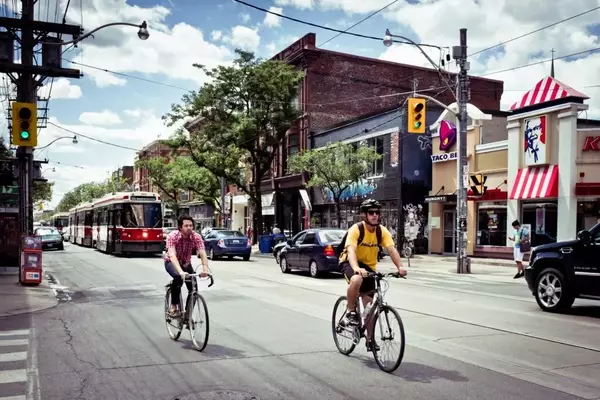
Toronto Cyclist Sues Police for Alleged Anti-Cyclist Bias After Dooring Incident

World Bicycle Relief Reaches One Million Bicycles Distributed Milestone, Empowering Global Communities