Trending Searches
Netherlands Invests €1 Billion in Cycling Infrastructure to Support New Housing Developments
The Dutch government has announced a substantial commitment of €1 billion towards developing cycling infrastructure, forming an integral part of a broader €2.5 billion initiative. This comprehensive package aims to forge vital connections, including roads, cycle paths, tunnels, and tram lines, linking emerging residential zones across the nation. This strategic move highlights a forward-thinking approach to urban planning, where sustainable transportation is woven into the fabric of new communities from their inception, ensuring residents have seamless access to essential services and opportunities.
Netherlands Pledges €1 Billion to Boost Cycling Connectivity for New Homes
In a significant stride towards fostering sustainable urban development, the Netherlands government has earmarked €1 billion to bolster its cycling infrastructure. This investment is a cornerstone of a wider €2.5 billion program designed to create robust transportation links—encompassing roads, cycle routes, underground passages, and tram networks—to serve newly established residential areas. A considerable portion, €1.3 billion, is allocated for projects scheduled before 2030, with notable initiatives including over €64 million for the VeluweWaalpad, a continuous cycling artery between Arnhem and Nijmegen. Additionally, €43 million will support municipalities in the Gelderse Vallei region, encouraging bicycle use among Ede, Rhenen, Veenendaal, and Wageningen residents. This proactive strategy underpins the nation's goal to construct 100,000 new homes annually to address the housing shortage, with sustainable transport considerations embedded from the planning stage. Chris Bruntless, International Relations Manager at the Dutch Cycling Embassy, underscored the Netherlands' exemplary collaboration between housing and transport sectors, noting, "You can’t just build a neighbourhood and then figure out how people will get to and from it. This is something the Netherlands does remarkably well."This Dutch initiative stands in stark contrast to recent developments in the United Kingdom, where emergency regulations to stimulate housebuilding have led to reduced requirements for cycling infrastructure, such as bike parking. Furthermore, discussions around reintroducing a spending cap on the UK's Cycle to Work scheme, perceived as potentially hindering access to necessary cycling equipment, highlight divergent approaches to promoting active travel. The Dutch government's emphasis on "cycle highways" connecting rural and suburban areas to metropolitan centers aims to improve access to employment, healthcare, and education, illustrating a profound commitment to integrated, accessible, and sustainable living for all citizens. Bruntlett reiterated the philosophy: "If we’re to provide housing that’s affordable to everyone, accessible and sustainable, then we must invest in cycling and public transport." The Dutch government's substantial financial commitment to cycling, also extending to secure bike parking at railway stations for enhanced first and last-mile connectivity, reinforces its dedication to prioritizing active travel. This systemic integration, where cycling paths are often part of broader road projects rather than isolated additions, makes it challenging to pinpoint the exact total expenditure on active travel but undeniably signifies a national priority.
The Dutch government's substantial investment in cycling infrastructure offers a compelling blueprint for other nations grappling with housing shortages and urban congestion. It underscores the profound realization that effective urban planning transcends mere construction; it demands a holistic vision that integrates liveability with accessibility. By prioritizing active transportation from the outset of new housing developments, the Netherlands not only champions environmental sustainability but also promotes public health and enhances social equity. This approach contrasts sharply with policies that might inadvertently sideline active travel, serving as a powerful reminder that robust infrastructure for cycling and walking is not an ancillary benefit but a fundamental component of resilient, future-proof communities. The Dutch model encourages a re-evaluation of how we conceive and execute urban expansion, challenging us to consider the long-term societal and environmental dividends of prioritizing people-centric mobility solutions.
Related Articles
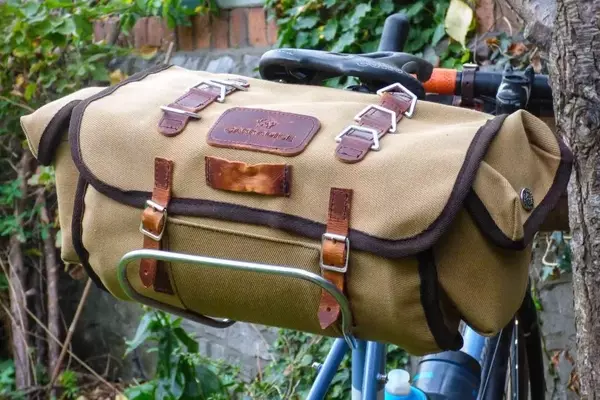
Carradice Safari Barley 9L Saddlebag: A Durable Companion for Long-Distance Cyclists

Specialized Epic 8 EVO Review: A Lightweight XC Bike with Trail-Ready Performance