Trending Searches
Night Bass Fishing: Techniques, Gear, and Hazards of Angling Under the Moonlight
Nighttime bass fishing presents a unique and often more fruitful experience compared to daytime angling, particularly during the warm summer months. This specialized pursuit demands specific techniques, appropriate gear, and an understanding of how environmental factors, such as moonlight and water depth, influence bass behavior. From navigating potential dangers like venomous snakes to mastering the art of lure presentation in the dark, successful night fishing is a blend of strategy, patience, and adaptability, offering anglers the tranquility of a deserted lake and the excitement of prolific catches.
The narrative begins with a vivid account of a nighttime fishing excursion on Lake St. John in Louisiana. The author, a seasoned angler and lawyer, along with his companion Don Patterson, found themselves amidst a serene moonlit landscape. However, the calm was shattered when a misplaced cast led to a tense encounter with a cottonmouth snake. This incident, occurring around 1 AM, underscored the unpredictable nature of fishing in the wild. The author, a dedicated night-fishing enthusiast from Brookhaven, Mississippi, frequently targets bass from April to September, shifting to hunting thereafter. His commitment is evidenced by an impressive tally of 152 bass caught over eight nights in the previous year, averaging 19 fish per outing.
A critical aspect highlighted is the legal interpretation of daily catch limits for night anglers in states like Louisiana and Mississippi. The "midnight rule" allows for a two-day limit of up to 30 bass if fishing extends past midnight, provided the possession limit is not exceeded. This rule, however, can vary by state, emphasizing the importance of checking local regulations. The author challenges the common belief that darker nights yield better fishing, asserting that bass activity peaks a night or two before a full moon. He also stresses the importance of casting accurately near cover, even in dim moonlight, a feat he finds impossible in complete darkness, which leads him to favor moonlit nights.
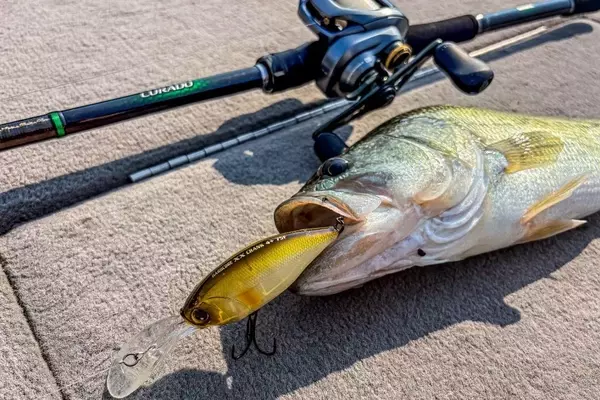
Regarding equipment, the author recommends rods with strong backbone and fast tip action, typically 5.5 to 6 feet long. For reels, baitcasting models are preferred for their superior control, especially when needing to adjust casts mid-flight. Heavy line, at least 20-pound test, is a must due to frequent snags in the dark. Contrary to popular opinion, surface lures are eschewed in favor of underwater lures, particularly those with large, black spinners. These black lures, the author explains, create a better silhouette against the moonlit sky, making them more visible to bass. The addition of pork rind with a trailer hook is also suggested to improve strike rates.
Locating bass at night requires adapting to their seasonal movements. In April and May, bass are found in deeper waters, often away from visible cover. By June, they transition to shallower areas, congregating around offshore structures. During these periods, a slow retrieve that keeps the lure near the bottom is most effective. As summer progresses and waters warm, bass move even closer to the shore, feeding in very shallow water. Here, a fast retrieve that causes the spinner to flutter at the surface, mimicking fleeing baitfish, is recommended. The author emphasizes that bass are keenly aware of moonlight, consistently finding them on the shadowed side of objects, a crucial insight often overlooked by less successful night fishermen.
The article also touches on the impact of weather conditions, noting that while bass often cooperate in clear conditions, cloudy skies can halt their feeding. Rain, surprisingly, has not proven beneficial for night fishing. Ultimately, the presence of heavy cover remains paramount for bass at night, providing them with security. The allure of night fishing extends beyond just the catch; it offers a serene escape from the daytime crowds and the harsh summer sun, transforming familiar lakes into private sanctuaries. However, constant vigilance is necessary, especially in Southern waters, where encounters with snakes and wasps hiding in cypress moss are a real possibility. Respecting these natural hazards is key to a safe and enjoyable experience.