Trending Searches
Optimizing Cycling Performance: Nutrition Strategies for Every Rider
Optimal nutrition is crucial for all cyclists, not just professionals, enabling them to ride longer, maintain focus, and enhance overall performance. Many believe that specialized sports products are essential, but this article debunks that myth, providing practical advice for everyday riders. From carrying simple snacks to understanding hydration needs and establishing a feeding routine, proper fueling significantly impacts a cyclist's endurance and enjoyment. By adopting these straightforward strategies, riders can avoid energy crashes and improve their experience on the trails, making every ride more fulfilling.
Maintaining adequate energy levels and staying well-hydrated are fundamental for cyclists, regardless of their skill level or the intensity of their rides. The article underscores the importance of having food readily available during rides to prevent energy dips and enhance alertness. It also encourages experimentation with various food types and sports nutrition products to discover what best suits individual needs and preferences. Furthermore, it advocates for a consistent feeding schedule and emphasizes the critical role of hydration, recommending electrolyte-enhanced fluids for superior replenishment. The piece also champions affordable, homemade alternatives to commercial sports foods, highlighting how simple, carbohydrate-rich snacks can be just as effective in sustaining energy.
Effective Fueling for Enhanced Cycling Endurance
Proper nutrition is not solely for elite athletes; every cyclist can benefit from smart fueling practices to improve their riding experience. Carrying food is a fundamental step, ensuring a readily available energy source to prevent mid-ride fatigue and maintain focus. The type of food can vary, but easily digestible, carbohydrate-rich options are ideal for sustained energy. Beyond simply eating, understanding individual nutritional needs and experimenting with different products, including both specialized sports nutrition and everyday snacks, allows riders to discover what works best for their bodies. This proactive approach to fueling helps extend ride durations and enhance overall physical comfort.
To effectively manage energy levels during cycling, it is crucial to adopt a consistent fueling strategy. This involves carrying accessible snacks like jam sandwiches or energy bars, which provide essential carbohydrates and sugars. Experimenting with various gels, chews, and bars from different brands can help identify products that agree with one's stomach and taste preferences. Crucially, a flexible feeding schedule, such as eating every 45 minutes or at designated points during the ride, prevents hunger before it becomes a problem, ensuring a steady supply of energy. This method helps avert common issues like brain fog and lethargy, enabling cyclists to sustain performance and enjoyment throughout their journey. The goal is to fuel regularly and proactively, rather than reactively.
The Dual Pillars: Hydration and Cost-Effective Nutrition
Hydration stands as an indispensable component of cycling nutrition. Sweating leads to the loss of vital fluids and minerals, making proper fluid replacement critical for maintaining physical and cognitive function. Dehydration can quickly lead to decreased performance, brain fog, and muscle cramps. Incorporating electrolyte tablets into water can significantly enhance hydration efficiency by replenishing lost minerals, which are crucial for the body's ability to retain water and support muscle function. This simple addition can drastically improve a rider's stamina and comfort, especially during longer or more intense rides, ensuring sustained freshness and alertness.
While specialized performance foods are effective, they often come with a high price tag. For the average rider, equally beneficial and more economical options exist. Focus on foods rich in carbohydrates and sugars, which are the body's primary energy sources. Homemade items like pancakes, flapjacks, or jam sandwiches are excellent examples. These alternatives are not only budget-friendly but also easy to prepare and carry, providing the necessary fuel without the added expense. By prioritizing these readily available and cost-efficient options, cyclists can effectively manage their energy levels, avoid overeating post-ride, and enjoy the benefits of proper nutrition without straining their wallets, proving that optimal fueling doesn't have to be costly.
Related Articles
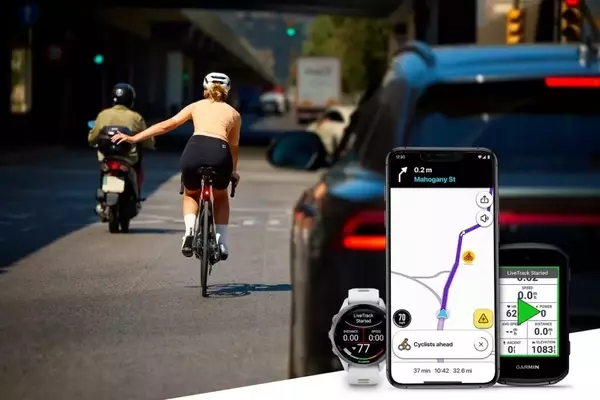
Garmin and Waze Collaborate to Enhance Cycling Safety with Real-Time Rider Alerts

Jeremy Vine's Cycling Advocacy Ignites Debate on Road Safety and Infrastructure