Trending Searches
Optimizing Post-Mountain Bike Ride Recovery: The Overlooked Cooldown
For many mountain bikers, the post-ride routine often involves an immediate cessation of activity, followed by relaxation and refreshment. However, this article, informed by the expertise of cycling coach Ben Turits, argues that a crucial element is frequently overlooked: the cool-down. A gradual transition from high-intensity cycling to a resting state is paramount for effective muscle recovery, body temperature regulation, and overall physical preparedness for subsequent rides. This often-neglected phase, extending beyond simple rehydration and nutrition, plays a significant role in mitigating muscle fatigue and discomfort.
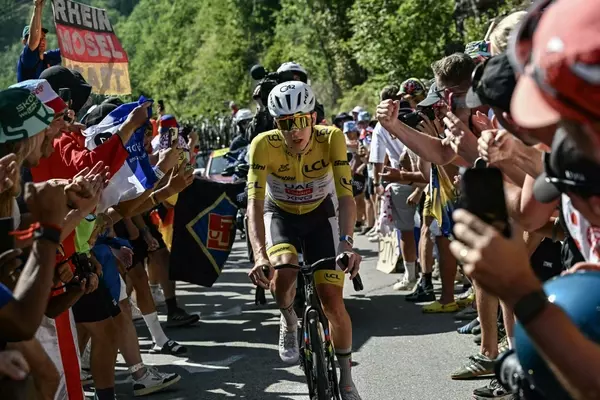
The intensity of a ride directly correlates with the importance of the cool-down phase, according to Turits. He likens an abrupt stop after vigorous exercise to plunging a hot object into cold water, emphasizing the need for a gradual decrease in body temperature and muscle activity. This principle is even observed in professional cycling, where Tour de France participants often engage in light pedaling after high-altitude finishes. Even after short but intense downhill descents, a gentle pedal can significantly aid recovery, though many riders might opt for immediate liquid refreshment instead.
Turits suggests that extending the ride with an additional 15 minutes of easy pedaling, maintaining a low heart rate, can dramatically improve how one feels the following day. This allows muscles to relax gradually and generates a gentle breeze to help cool the body. Beyond active cooling, the article also touches upon passive cooling methods, such as using a cold, wet cloth or taking a dip in a lake. The author even describes a DIY outdoor shower setup, highlighting its effectiveness in cooling down after hot rides and preventing unnecessary dehydration, which is often exacerbated by prolonged sweating post-exertion.
The timing of recovery actions is critical. Immediately ceasing activity after a strenuous ride can leave muscles in a contracted, 'pissed off' state, increasing the likelihood of fatigue cramps. The author admits to experiencing such cramps, acknowledging that their previous post-ride habits likely contributed. Alongside a proper cool-down, immediate intake of liquids, carbohydrates, and protein is recommended, ideally even while performing the gentle cool-down activity. These practices collectively contribute to a more efficient and comfortable recovery process.
While modern fitness trackers and data metrics can offer insights into recovery status, Turits advises prioritizing one's bodily sensations. He explains that while data is useful for routine training, it may be less accurate in unusual circumstances like multi-day trips or stage races. In such situations, listening to internal cues and making pragmatic adjustments, such as slowing down or taking an unplanned rest day, becomes more valuable than adhering strictly to device readings. Turits himself has opted for a device-free approach at times, noting that an over-reliance on data can foster an unhealthy obsession, potentially leading to overexertion despite feeling fatigued.
In essence, the path to optimal post-mountain bike recovery is refreshingly straightforward. It involves gradually cooling the body, maintaining some muscle movement, and promptly replenishing fluids and nutrients. Above all, it requires a conscious awareness and respect for one's physical state. Trusting bodily signals emerges as the most reliable metric for assessing readiness for the next challenge, promoting a more intuitive and sustainable approach to athletic well-being.
Related Articles
The Strategic Edge: How EF Education-EasyPost Secures Victories at the Tour de France
Tour de France: Navigating Crashes and Rider Safety Protocols