Trending Searches
Optimizing Your Cycling Setup: Beyond Pro Replications for Comfort and Performance
Unlock Your Ride: Tailored Setups for Peak Performance and Lasting Comfort!
The Evolving Landscape of Pro Cycling Configurations
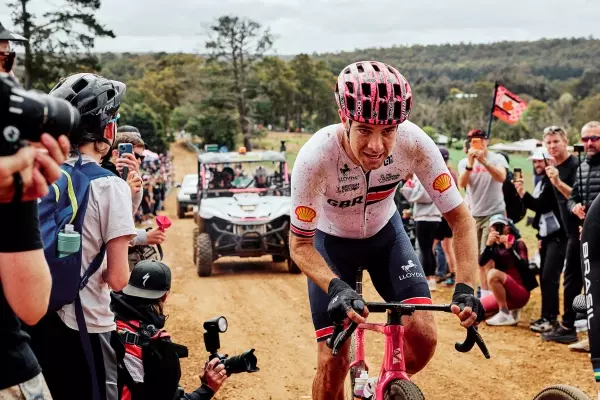
Professional cycling has witnessed a notable evolution in bike geometry, moving away from traditional far-set saddles and aggressive bar positions. Modern pro setups often feature saddles positioned further forward, enhancing hip angle for increased power output and aerodynamic efficiency. This is typically combined with a longer front end to maintain stability at high speeds.
The Pitfalls of Mimicking Professional Setups for Amateurs
While professional cyclists adopt aggressive postures for aerodynamic advantages, these setups may not be suitable for the average rider. A significant disparity lies in the time dedicated to training and mobility work. Most individuals spend extended periods seated, leading to tightened posterior chain muscles, which can severely limit the ability to comfortably maintain a pro-level riding position.
Aerodynamic Imperatives in Elite Racing
The emphasis on aerodynamics in professional cycling stems from the extremely high speeds achieved in races like the Tour de France, where air resistance accounts for a substantial portion of the forces a rider must overcome. Pros, through rigorous training and specialized mobility, can sustain these aggressive positions without compromising power, a luxury rarely afforded to amateur riders.
The Consequence of Extreme Positions: Increased Pressure Points
Adopting an overly aggressive, forward-shifted position, even with a long, low front end, can lead to significant pressure on the wrists and forearms. This discomfort can detract from the riding experience and potentially cause injury for non-professional cyclists who lack the conditioning to support such a demanding posture.
Prioritizing Individual Needs: A Personalized Approach to Bike Setup
For most recreational cyclists, the ideal bike position should be determined by individual physiology, biomechanics, and riding goals. For instance, a gravel bike setup with a shorter, higher stem offers a more upright posture, reducing wrist pressure during long rides on varied terrain. In contrast, a road bike used for shorter, high-intensity rides might justify a more aggressive setup, provided the rider can maintain it comfortably.
Endurance Bikes: The Smarter Choice for Recreational Riders
Many consumers who ride for pleasure, participate in sportive events, or maintain moderate speeds (25-35 km/h) would benefit more from an endurance bike than a race-specific model. Endurance bikes, like the Cannondale Synapse, offer a slightly more upright position due to their shorter reach and higher stack, which alleviates pressure on the wrists and neck without a significant drop in performance compared to their race-oriented counterparts.
The Growing Recognition of Comfort as a Performance Factor
The cycling world is increasingly acknowledging that comfort directly contributes to performance. Even professional riders are beginning to adopt higher stack heights and more spacers under their handlebars, signaling a shift towards setups that enhance rider comfort, ultimately leading to reduced fatigue and improved sustained output during long events.
The Indispensable Role of a Professional Bike Fit
For anyone serious about improving their cycling performance or increasing their riding volume, a professional bike fit is highly recommended. A comprehensive bike fit involves a full range-of-motion assessment and considers individual goals. This personalized approach ensures the bike setup is optimized for either racing (closer to flexibility limits) or endurance (prioritizing sustained power and comfort), aligning with the rider's specific needs and aspirations.
When Emulating Pros Makes Sense: High-Speed Scenarios
In specific scenarios, such as high-speed amateur road races or fast-paced group rides where speeds often exceed 40 km/h, the principles of professional setups, particularly regarding aerodynamics, become relevant. Bikes designed for aerodynamic efficiency, like the Factor One aero bike, excel in these conditions by supporting high power output and minimizing drag.
The Interplay of Saddle Position and Crank Length for Power
A saddle positioned further forward, especially when combined with shorter cranks, helps open the hip angle, facilitating greater power production. Conversely, a saddle set too far back can restrict hip movement and strain the posterior chain. However, these adjustments are highly subjective and must be fine-tuned through individual assessment to achieve optimal performance and comfort.