Trending Searches
Pogačar Reflects on Yellow Jersey Loss and Tour de France Strategy
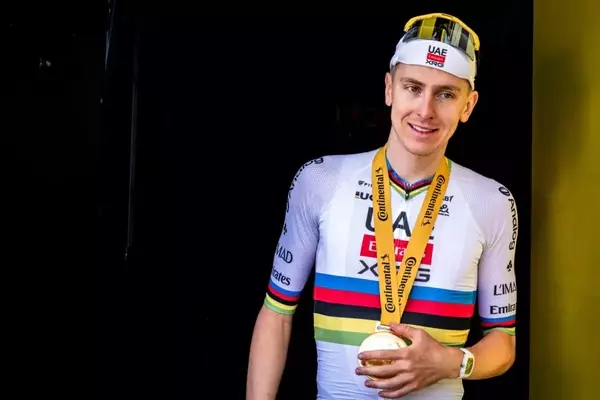
In a strategic move during the Tour de France's fourth stage, Tadej Pogačar willingly relinquished the coveted yellow jersey, opting for a period of reduced visibility and pressure. This decision allows the prominent rider to conserve energy and focus on the demanding stages ahead, while the new leader, Torstein Træen, navigates the intense media scrutiny and obligations that come with wearing the maillot jaune.
Pogačar's Tactical Retreat and the Tour's Fiery Challenge
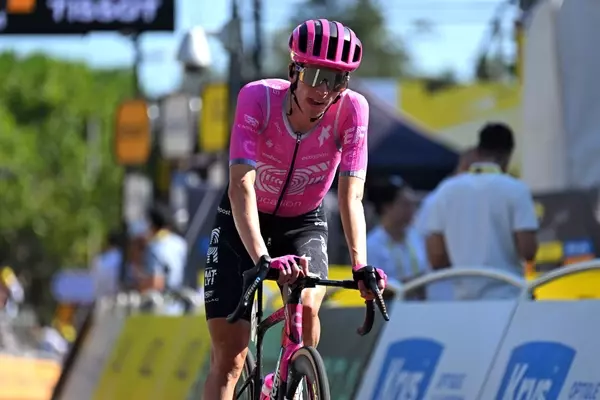
Following a grueling stage from Carcassonne to Foix, where temperatures soared to an scorching 39 degrees Celsius (102 Fahrenheit), Tadej Pogačar, accompanied by his UAE Team Emirates-XRG support staff, candidly addressed reporters. He admitted to experiencing a significant headache at the outset of the stage, highlighting the extreme conditions faced by all competitors. Pogačar expressed his determination to reclaim the yellow jersey but acknowledged the substantial time deficit he now faces, stating, "It's quite a big gap, so we will see. Now we will fight, but yeah, I think they can keep the yellow jersey for a long time." His current position trails Træen by 7 minutes and 53 seconds, with Sean Quinn (EF Education-EasyPost) and Mathias Vacek (Lidl-Trek) also ahead.
The stage winner, Mads Pedersen of Lidl-Trek, received praise from Pogačar for his team's strong performance, noting that a breakaway involving a team of such caliber was likely to succeed. Pogačar also commended his own team members, Nils Politt, Florian Vermeersch, and Tim Wellens, for their collaborative efforts in managing the race and minimizing energy expenditure. He reflected on the strategic advantage of fewer media commitments, especially during a physically taxing race, emphasizing the importance of recovery. While Pogačar is accustomed to the demands of the podium, he recognized the value of the extra time gained for recuperation. The upcoming stages include challenging mountain passes like the cols d'Aspin and Tourmalet, with a summit finish at Gavarnie-Gèdre, leading into a hard and mountainous tenth stage to Le Lorian. These demanding segments will test the new yellow jersey wearer, and could potentially see Pogačar make his move to regain the lead in the later stages of the race.
Pogačar's decision to temporarily cede the yellow jersey demonstrates a calculated approach to the Tour de France. In a race of such endurance and intensity, the psychological and physical toll of constant media attention and ceremonial duties can be substantial. By allowing others to bear this burden, Pogačar effectively buys himself valuable recovery time and mental space. This strategic retreat highlights the nuanced chess game that unfolds within professional cycling, where every decision, even seemingly minor ones, can have a profound impact on the ultimate outcome. It reminds us that victory often isn't just about raw power, but also about astute planning and the intelligent management of resources, both personal and team-based, especially when battling the elements and the relentless pressure of the Grand Tour.