Trending Searches
Pregnant Cyclist Sarah Sturm Completes The Traka 100, Defying Expectations
Professional gravel cyclist Sarah Sturm recently made headlines by successfully completing The Traka 100 event in Girona, Spain, at 28 weeks pregnant. For Sturm, the experience transcended the competitive aspect of racing, focusing instead on personal enjoyment and exploring her physical capabilities during pregnancy.
Sturm described her participation as a positive experience, noting that while her pace was slower than usual, her perceived exertion remained consistent. She emphasized that her body effectively regulated itself, preventing her from overexertion. While acknowledging the inherent discomforts of pregnancy, she expressed gratitude for being healthy enough to participate in a cycling event in Spain.
Sturm has been a vocal advocate for pregnant athletes, playing a key role in the implementation of Life Time's new pregnancy policy. This policy allows athletes in the prestigious off-road series to defer their roster spot to the following season without penalty if they become pregnant, a significant step forward for women in gravel racing. Her journey, alongside that of fellow gravel racer Iz King, who also raced while pregnant, contributes to broader discussions about pregnancy in elite sports, particularly regarding long-term support for female athletes, including sponsorship and contractual considerations. Sturm advocates for women to trust their bodies and medical advice, stating that athletes should not be dictated by others' perceptions of their capabilities. She stressed that her approach to the race was cautious, with safety being paramount, riding at a conservative pace with a support team and pre-planned exit strategies.
Sturm's inspiring journey exemplifies resilience and self-determination, challenging conventional notions about pregnant athletes. Her advocacy for policies supporting female athletes through pregnancy and her public display of strength and capability demonstrate the power of listening to one's body and defying societal expectations. This sets a positive precedent for future generations of athletes, promoting a more inclusive and understanding environment in professional sports.
Related Articles
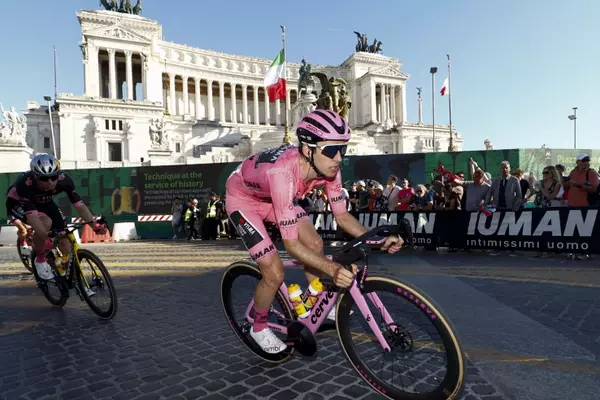
Giro d'Italia 2026: Comprehensive Guide to Live Streaming and Race Details

Comedian Kathy Maniura Unveils 'The Cycling Man': A Humorous Look at Cyclist Stereotypes