Trending Searches
Pursuing Brown Bears in the Alaskan Wilderness: A Hunter's Chronicle
An Odyssey into Alaska's Untamed Heart
A Dreamlike Encounter and the Stark Reality of the Arctic Frontier
The tale commences with the author recounting a vivid dream from a previous brown bear hunt in Alaska's Togiak National Wildlife Refuge. He describes being ensconced in a bright yellow, robust tent, designed to withstand extreme Alaskan conditions, yet devoid of any heating source, relying solely on body warmth. This initial segment sets the stage for the raw, unforgiving nature of the wilderness. The dream, a startling encounter with a bear within his tent, quickly dissipates upon waking, underscoring the deep connection between the hunter's subconscious and his immediate environment.
Surviving the Elements: Cold Camps and Abundant Wildlife
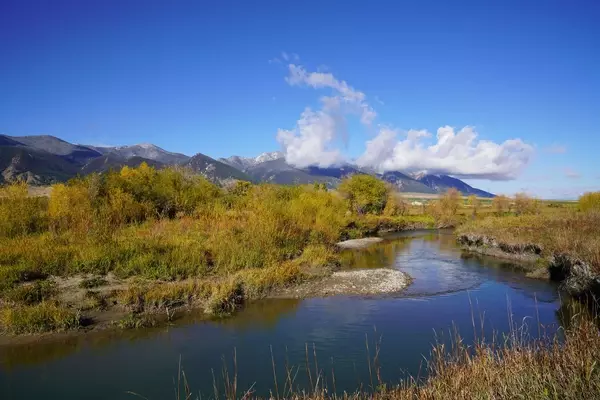
In this challenging environment, the only warmth came from hot beverages prepared on a small stove, quickly consumed before the bitter cold could chill them. The author's rifle, loaded but not chambered, remained at his side, a constant reminder of the ever-present wild. Their camp was situated by a vast lake, partially shielded by willows, with the shoreline strewn with dried salmon carcasses, a testament to the bears' primary food source. The low temperatures, while harsh, serendipitously minimized the stench of the decaying fish, preventing an overwhelming odor from permeating the camp. The scarcity of berries that season meant bears relied heavily on salmon, evidenced by their frost-rimmed tracks, some as wide as a human hand, along the rocky beach.
Navigating Nature's Fury: The Challenges of Wind and Waves
With the dawn, the author emerged into a day marked by spitting snow and a biting wind, seeking refuge in the camp kitchen. This makeshift structure, comprised of tarps strung among willows, offered a partial shield against the relentless weather. There, guide Les Bragdon, with his distinctive Maine accent, pointed out a bear on the distant shore, lamenting the impossibility of reaching it due to the fierce winds and impassable river. The powerful waves crashing against the shore made any attempt to cross the lake in their inflatable raft too perilous. Watching the bear vanish into the wilderness through binoculars, the author recognized the wisdom of avoiding the dangerous waters.
The Steadfast Spirit of a Seasoned Outdoorsman: Guide Les Bragdon
Les Bragdon's resilience and unyielding composure in the face of harsh conditions were deeply rooted in his years of naval service. His salty demeanor and pragmatic view of the cold and wet as mere facts of life, rather than personal affronts, mirrored the steadfastness of an experienced sailor. His appearance, complete with a practical leather belt supporting essential tools and ammunition, and a patrol cap bearing military insignia, further highlighted his seasoned expertise. Even in freezing temperatures, his minimal use of gloves spoke volumes of his hardy nature. This section also introduces other members of the hunting party: Linda Powell, a public relations expert, and Pat McDonough, another guide, along with photographer Peter Bohler, highlighting the camaraderie and established routine of the group.
The Unseen Challenge: Elusive Bears and Unexpected Wildlife
Each morning, the team ascended a nearby hill to glass the expansive landscape, searching for bears. Despite diligent scanning, the early days yielded only smaller bears, mostly mothers with cubs, much to the guides' puzzlement, as they knew the area harbored larger boars. The bears remained elusive, staying out of open view. However, the wilderness offered other sights: caribou purposefully migrating towards their wintering grounds by the Bering Sea, and a wolverine, observed over two afternoons, feeding on a carcass and then engaging in seemingly erratic behavior across a mountainside, oblivious to the ravens' protests.
The Mossberg Patriot: A Hunter's Essential Tool
A significant aspect of this hunt was the field testing of Mossberg's new Patriot rifle, chambered in .375 Ruger. This rifle represented a notable achievement for Mossberg, admired for its solid construction, functionality, and aesthetic appeal. It also marked the company's entry into dangerous-game calibers. The .375 Ruger cartridge itself, a modern innovation, surpasses the performance of the classic .375 H&H, offering greater capacity in a shorter action. Its reputation for effectiveness on resilient game in Africa and North America since its 2007 introduction made it an ideal choice for this challenging Alaskan expedition. Beyond the rifle's capabilities, the hunt also served as a long-awaited opportunity for the author and his friend, Linda, to embark on a brown bear hunt together, the new Patriot serving as the perfect impetus.
An Unwanted Intrusion and the Disruption of a Wilderness Hunt
Following the author's dream, the winds eventually subsided, allowing the group to explore the lake by boat. Their tranquility was shattered by the unexpected arrival of a Blackhawk helicopter, which landed several miles away. The sound of gunfire indicated unauthorized shooting activities, which not only represented a misuse of public funds but also a violation of refuge regulations. Investigations later revealed that similar incidents had occurred previously. This intrusion undoubtedly disturbed the natural environment, deterring mature bears and contributing to the initial hunt's lack of success. This unfortunate incident highlighted the vulnerability of wild habitats to human activities and the impact on wildlife behavior.
A Second Chance: The Rescheduled Expedition
Rick Grant, their outfitter from Tikchik Airventures, was understandably outraged by the helicopter incident. Despite it being beyond his control, he graciously organized a second brown bear hunt for the following fall. This time, they ventured to a different section of the refuge in early September. Upon arrival, the camp was already meticulously prepared. The weather, a stark contrast to the previous year's late October conditions at the onset of winter, was mild and cooperative. With ethical considerations and regulations in mind, hunting commenced the day after their arrival, allowing for a fresh start in a new, promising location.
Abundance and Opportunity: The Renewed Hunt's Success
Once again, the team ascended to high ground for a panoramic view. This year, however, the landscape teemed with life. The ground was rich with an abundance of wild berries, which the author enjoyed as they traversed the terrain. A light rain provided a cooling relief, while the expansive views stretched for miles in every direction. Bears were ubiquitous, visible high in the mountains, across the flats, and along riverbanks, actively feeding on silver salmon. They counted at least nine bears, and after a brief lunch and strategic planning, prepared to stalk their prey. The author's personal success came swiftly when, roused from a nap by his guide, he encountered a bear near camp. With three quick shots, the bear was taken down, leading to immediate celebrations and the processing of the animal. The following morning, Linda also successfully hunted a bear, marking a remarkable turnaround from the previous year's barren experience. This expedition, unmarred by external interference, proved to be a resounding triumph, demonstrating the enduring charm of a second attempt.