Trending Searches
The Quest for the Legendary Double Hat Rack Buck
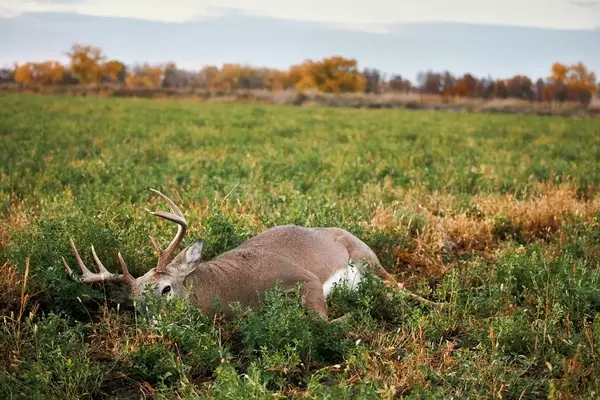
This narrative details a gripping two-day deer hunting expedition in Ohio during 1963, centered on the relentless pursuit of an extraordinary whitetail buck. The story unfolds with a deep dive into the strategic complexities of hunting with shotguns, the painstaking methods employed for tracking, and the exhilarating climax of finally outwitting the elusive deer. It also explores the protagonist's personal transformation, as his views on trophy hunting shift profoundly, ignited by the exceptional harvest of a fellow hunter.
The Pursuit of the Elusive "Hat Rack" Buck
In December 1963, Ohio's brief two-day deer season, spanning just December 12th and 13th, from 9 a.m. to 5 p.m., presented a formidable challenge to hunters. The author and his companions embarked on a quest to track a remarkable buck, known for its distinctive antlers, which they dubbed the "hat-rack" buck. Their pursuit began on Thursday afternoon, leaving them with a mere 12 hours to locate and successfully take down the deer. Despite the long odds, the allure of this magnificent animal fueled their determination. The hunt quickly became a test of endurance and strategy, with the team meticulously following the buck's trail through varied terrain. This initial encounter, though fleeting, solidified their resolve, transforming the hunt into a singular focus on securing this dream trophy, pushing aside any thoughts of other game. The intense effort required underscored the difficulty and thrill of pursuing such a prized quarry within a restrictive hunting window.
The hunter, a 31-year-old from Glenford, Ohio, working at Kaiser Aluminum in Newark, shared his extensive hunting background, predominantly focused on coon hunting. His introduction to deer hunting in 1959 brought him beginner's luck, securing does in successive years. The 1961 season saw no deer hunting in Ohio, but 1962 brought his third doe, cementing deer hunting as his most thrilling sport. Initially, the pursuit of trophy bucks held little interest for him; satisfaction came from venison, with trophies being a bonus. This mindset dramatically shifted due to two pivotal events. First, whispers of an exceptional buck in his local farming area, specifically described by his brother-in-law Ken Turner as having a "head like a hat rack" due to its thick, tieless horns, ignited a newfound obsession. This legendary whitetail, later dubbed the "hat-rack buck," became his singular focus. Despite tracking efforts revealing its presence with other deer, the group mysteriously relocated before the season, forcing a year-long wait. The second catalyst was the triumph of his colleague, Arlee McCullough, who in December of the same year, secured the largest typical whitetail rack ever recorded in Ohio, an 186 2/8 score, inspiring the protagonist to dedicate himself fully to trophy hunting for the next season.
The Ohio Deer Hunting Landscape and a Hunter's Triumph
Ohio's reputation for harboring large deer, despite its modest deer population of around 25,000 and an annual harvest of 2,000-3,000, stems from several factors. Abundant cornfields and diverse forage provide ample nutrition, while a unique mineral composition in the soil is believed to foster impressive antler growth. The state's "any deer" regulation allows for doe culling, preventing overpopulation and ensuring healthy ranges. These conditions, combined with dedicated hunter efforts, contribute to the consistent presence of trophy-class bucks. The Buckeye Big Buck Club, established by Merrill Gilfillan, serves as a testament to this, having recorded 141 eligible bucks in its initial six years. Qualification for the club requires a typical whitetail score of at least 140 or a non-typical score of 160, benchmarks that attest to the exceptional quality of Ohio's deer. Last year alone, 33 bucks were recorded, marking a historical high for the club, with several Ohio trophies also earning recognition in the prestigious Boone and Crockett Club's records.
By autumn 1963, the fascination with the "hat-rack" buck had permeated the entire hunting party, each member equally intent on its capture. Despite their collective determination, a sense of quiet rivalry brewed, with each hunter secretly hoping to be the one to bring it down. Their preparations were extensive, involving meticulous scouting of the buck's tracks, feeding grounds, and travel routes in Perry County. This region, characterized by its rugged, hilly terrain, interspersed with farms, brush, and timber, provided an ideal, though challenging, hunting ground. Its proximity to Columbus, yet relatively low hunting pressure due to posted land, made it a prime location. Identifying the buck's habitat near Glenford, particularly an untended cornfield bordered by dense brush, confirmed their suspicions about its favored haunts. Days before the season, a three-hour tracking session with a doe companion provided crucial insights into the buck's evasive tactics. Opening day, marked by cold, windy weather and a half-foot of snow, offered ideal tracking conditions. The party, including Dick Bare, Eddie Folk, Rick Ridiski, Glen Hersey, John Campbell, and the author, all local to Glenford, intensified their efforts. After hours of fruitless searching, the discovery of the buck's track near the cornfield ignited the hunt anew, propelling them into the chase with renewed vigor. The pursuit of this extraordinary animal became a shared endeavor, uniting the team in their quest for a legendary trophy.