Trending Searches
Rethinking Boat Fuel Capacity in the Modern Era
In an era of rapid technological evolution, the long-held belief among boaters that more fuel capacity is always better is undergoing a significant re-evaluation. Driven by advancements in marine engine design, lighter boat construction materials, and sophisticated dynamic trim systems, contemporary vessels demand less fuel for equivalent or even extended ranges. This paradigm shift offers substantial benefits, from reduced operational expenses and increased safety to improved vessel performance, compelling seasoned and novice boaters alike to reconsider their fuel planning strategies.
For many years, the mantra for offshore excursions was simple: carry as much fuel as possible. This was particularly true for older boats equipped with two-stroke outboards and heavier hull designs, where extended trips often necessitated extra fuel containers on deck. The author's personal experience, involving a fuel tank replacement in his 22-foot center console boat, illustrates this change vividly. Despite an 11% reduction in fuel capacity, the boat now routinely returns from 40-mile offshore fishing trips with more than half a tank remaining, comfortably adhering to the 'rule of thirds' for fuel management (one-third out, one-third back, one-third reserve).
Several key technological innovations contribute to this reduced need for massive fuel tanks. Modern fuel-injected four-stroke outboards are significantly more efficient than their carbureted two-stroke predecessors. Features like variable valve timing and lean-burn technology allow these engines to consume less fuel, especially at trolling speeds, thereby eliminating the need for cumbersome and potentially hazardous extra fuel cans.
Furthermore, contemporary boat construction employs lighter yet stronger materials such as Kevlar and carbon fiber, along with vacuum-resin-infusion processes. These innovations reduce overall vessel weight without compromising durability, meaning less power (and thus less fuel) is required to propel the boat the same distance. Hull designs have also benefited from computer-aided design and virtual testing, leading to more efficient running surfaces, including stepped hulls, that glide through water with reduced resistance.
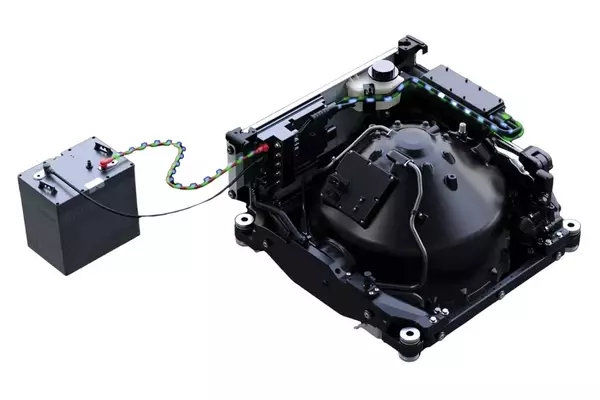
Dynamic trim systems, such as Seakeeper Ride, are another game-changer. These systems automatically adjust the boat's attitude, minimizing drag and optimizing efficiency. The author noted a 9-10% fuel saving in choppy conditions after installing such a system. Similar technologies from brands like Bennett Marine, Lenco, and Zipwake, along with automatic engine trim controls from major outboard manufacturers, further enhance fuel economy by maintaining optimal engine angles.
Finally, the principle of 'less fuel, less weight' creates a virtuous cycle. A lighter boat, due to reduced fuel load, requires less energy to move, leading to even greater fuel efficiency. This concept is well-understood in high-performance sports like Formula 1 racing, where vehicles perform best after burning off some initial fuel weight. While safety remains paramount, particularly adhering to the 'rule of thirds,' boaters can now strategically reduce the amount of fuel carried for shorter trips, leading to direct savings and enhanced performance.
The evolving landscape of marine technology is fundamentally altering our perception of necessary fuel reserves. With more efficient engines, lighter hulls, and advanced control systems, boaters are empowered to make more informed decisions about fuel capacity, prioritizing efficiency and performance while maintaining stringent safety standards for every voyage.