Trending Searches
Retrieving Snagged Fishing Lures: Effective Techniques for Anglers
Encountering a snagged fishing lure is an inevitable part of angling, often leading to frustration and the potential loss of expensive equipment. However, instead of resorting to desperate measures like forcefully breaking the line or casting your rod in frustration, there are several effective and strategic approaches to safely free your bait. These techniques not only protect your valuable lures but also contribute to a cleaner aquatic environment by reducing discarded tackle. The primary aim is to recover your lure without damaging your gear or disturbing the fishing spot excessively.
Successfully retrieving a snagged lure requires a calm approach and a methodical application of specific techniques, each suited to different circumstances. Whether your lure is caught on submerged timber, rocks, or aquatic vegetation, understanding how to apply the right method can significantly increase your chances of recovery. This guide explores four proven strategies, detailing how to execute each one to maximize effectiveness while minimizing potential downsides, such as scaring away fish or losing more equipment.
The "Pop It" Method for Lure Freedom
The "Pop It" method is frequently the first recourse for freeing a snagged lure, capitalizing on kinetic energy to dislodge the bait. This technique involves creating a loop in your fishing line between the reel and the first guide, then pulling it taut while bending your rod. The sudden release of this tension, coupled with a swift drop of the rod tip, sends a jolt down the line, often sufficient to dislodge the lure from its obstruction. This action can be repeated multiple times, increasing the chances of the hook backing out of whatever it's caught on, without putting undue stress on your fishing line or rod.
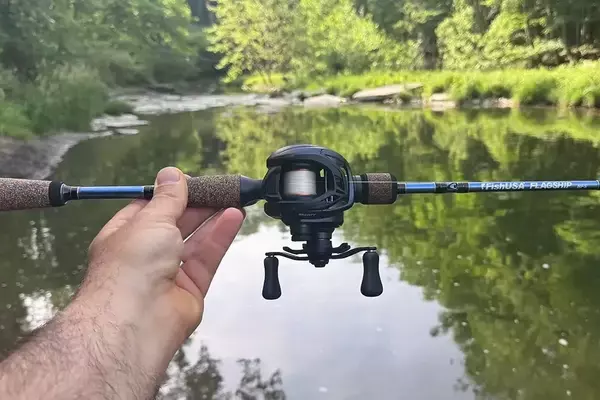
To execute the “Pop It” technique, anglers should grasp the fishing line between their thumb and forefinger, close to the reel, and pull it towards themselves, while simultaneously pulling the rod back to create a significant bow. This creates a triangular shape with the line and rod. After building tension, rapidly release the line and allow the rod tip to spring forward, sending a sudden burst of energy towards the snag. If the lure doesn't immediately come free, repeating this motion about ten to twelve times is often recommended before considering alternative methods, ensuring a thorough attempt at dislodging the bait.
Utilizing Specialized Retrieval Tools and Changing Angles
When the "Pop It" method proves insufficient, especially for deeper snags, a plug knocker becomes an invaluable tool. This device, typically a weighted object, clips onto the fishing line and slides down to the lure, using its mass to impact and dislodge the snagged bait. The key to its success lies in maintaining tension on the line as the knocker descends, then allowing slack just as it makes contact with the lure, enabling the impact to push the hook free. Anglers often create their own versions of these tools from common items like catfish weights and large clips, making them an affordable and effective option for recovering lures caught at greater depths.
Another highly effective strategy, particularly for lures snagged in deeper water, involves changing the angle of retrieval. This technique requires repositioning your boat or yourself to the opposite side of the snag. By pulling the line from a different direction, often 180 degrees from the initial cast, you can apply pressure in a way that encourages the hook to back out of the obstruction. A gradual increase in pressure as you shift position often suffices, as the change in leverage can free the lure without requiring excessive force. This method minimizes the risk of line breakage and often proves successful in situations where direct pulling has failed.