Trending Searches
Review of Sigma Buster 1100 Headlight
The Sigma Buster 1100 Headlight positions itself as a robust and dependable choice for cyclists, balancing powerful illumination with user-friendly features. Despite some aspects like its standard mounting system and IPX4 waterproofing that might appear less advanced than contemporary alternatives, the device shines in its core functionality. Its durable construction, clear mode indicators, and a versatile selection of lighting settings make it suitable for a wide array of riding environments, from urban commutes to more adventurous backroad journeys. The light's performance, coupled with its reliable battery life and thoughtful design, solidifies its standing as a practical option for riders seeking a blend of efficiency and resilience in their gear.
However, the competitive landscape of bike lights highlights areas where the Buster 1100 could improve, particularly concerning its value proposition against rivals offering enhanced features like wireless remotes, superior waterproofing, or more integrated mounting solutions at similar price points. The absence of a remote control and a basic mount might deter some tech-savvy users or those accustomed to more streamlined setups. Yet, for many cyclists, the Buster 1100's proven durability, effective light output, and straightforward usability still offer significant appeal, making it a worthy consideration for various cycling needs.
Sigma Buster 1100: Design and Functionality
The Sigma Buster 1100 Headlight is engineered with a focus on practical performance and durability, making it a suitable companion for diverse cycling escapades. Its robust housing, crafted from a blend of aluminum and composite materials, not only ensures resilience against impacts but also functions as an efficient heat sink. This design, complemented by a thermal cut-out, safeguards the internal components—LEDs, circuitry, battery, and switchgear—promoting a longer operational lifespan. The light integrates two Osram LEDs that project through an innovative double lens system, offering a combination of focused spotlighting for detailed visibility and broad floodlighting for comprehensive awareness of the path ahead. This dual-lens approach ensures cyclists have a clear and expansive view, enhancing safety during rides. Additionally, the strategically placed Sigma logo on the side facilitates peripheral light bleed, adding an unexpected but effective layer of visibility.
While the light's IPX4 water resistance rating might be considered modest when compared to the higher standards of some competitors, particularly those aimed at gravel or trail riding, the charging port benefits from a secure, snug-fitting cover, offering decent protection against the elements. Charging is conveniently managed via a USB-C cable, and the device supports power bank compatibility, a crucial feature for extended rides. The Buster 1100 provides six distinct lighting modes—four steady and two flashing—catering to various conditions and preferences. These modes include High (1,100 lumens), Mid (800 lm), Low (400 lm), Eco (150 lm), a Night flash (800/400 lm), and a Day flash (200 lm). A customizable program allows users to select a preferred set of modes, eliminating the need to cycle through all options. The intuitive rubber switch requires a double press to activate, with a single press revealing the battery level, and a sustained press for powering off. A three-second press locks the switch, preventing accidental activation, a thoughtful detail for transport. The horizontal indicator above the switch clearly displays the selected mode, and a five-light battery indicator provides precise charge level feedback, transitioning from white to red as power diminishes.
Performance and Comparative Value of the Sigma Buster 1100
The Sigma Buster 1100 Headlight offers a commendable performance profile, delivering sufficient illumination for most cycling scenarios. Its highest setting, at 1,100 lumens, provides ample brightness for navigating unlit rural roads at a steady pace, ensuring good visibility of the surroundings and potential hazards. While some competitive lights might offer a crisper beam, the Buster 1100's output is certainly effective for being seen and seeing clearly. The 800-lumen Mid setting proves practical for less demanding conditions or during climbs, conserving battery while maintaining adequate light. The 400-lumen Low setting is well-suited for general road riding in semi-rural to suburban areas, offering a balance of visibility and extended run-time. The 150-lumen Eco mode is ideal for urban environments or shared paths, and the 200-lumen Day flash serves as an excellent option for daytime conspicuity. The Night flash, effective at dawn or in foggy conditions when paired with other lights, provides a noticeable presence without being overly aggressive.
In terms of battery longevity and durability, the Buster 1100 largely aligns with Sigma's specifications. Charging times are reasonable, with a full recharge from a laptop taking approximately three hours, reducible to 2 hours and 35 minutes with a tablet charger. The run-times closely match official figures, and the light reliably avoids sudden power loss. Its lithium-ion battery is designed to withstand 300-500 charge cycles before a noticeable performance decline. Despite the IPX4 rating, the light has demonstrated resilience against heavy rain and direct impacts, with no issues encountered during testing. However, the market for bike lights is highly competitive, and the Buster 1100, priced at £79.99, faces strong rivals. For instance, the Magicshine Hori 1300 offers 1,300 lumens, IPX6 waterproofing, a wireless remote, and an underbar mount for £69.99. Similarly, the Ravemen LR1200, also £79.99, delivers 1,200 lumens with excellent illumination and robust build quality, though its wired remote is sold separately. Other alternatives like the Blackburn Dayblazer 1500 and Oxford Ultratorch CL1600 also present higher lumen outputs, but may have trade-offs in features like remote control or mounting options. While the Buster 1100 remains a viable option, its OEM mount and lack of remote might be considerations for potential buyers seeking more advanced features in a similar price bracket.
Related Articles
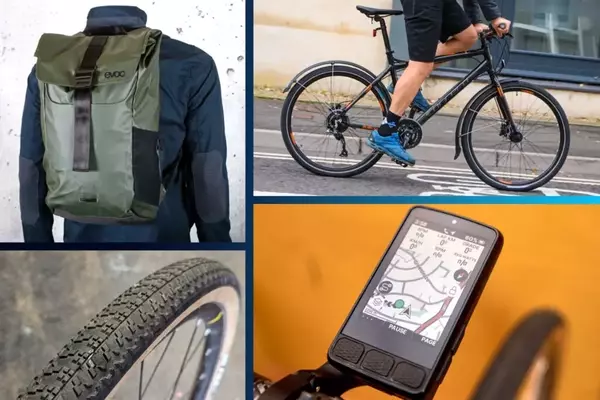
Smart Cycling Commuting: Balancing Cost-Effectiveness and Essential Investments

Cycling Debates and Departures: Vuelta A España Neutralization Sparks Controversy, Jan-Willem Van Schip Retires